
Older openers lacking safety
You're not dealing with the older opener units that have no photo-eye sensors and no auto-reverse logic, which is still a common call in older housing stock. That's one less category of job we see out here.
Sherwood, Happy Valley OR
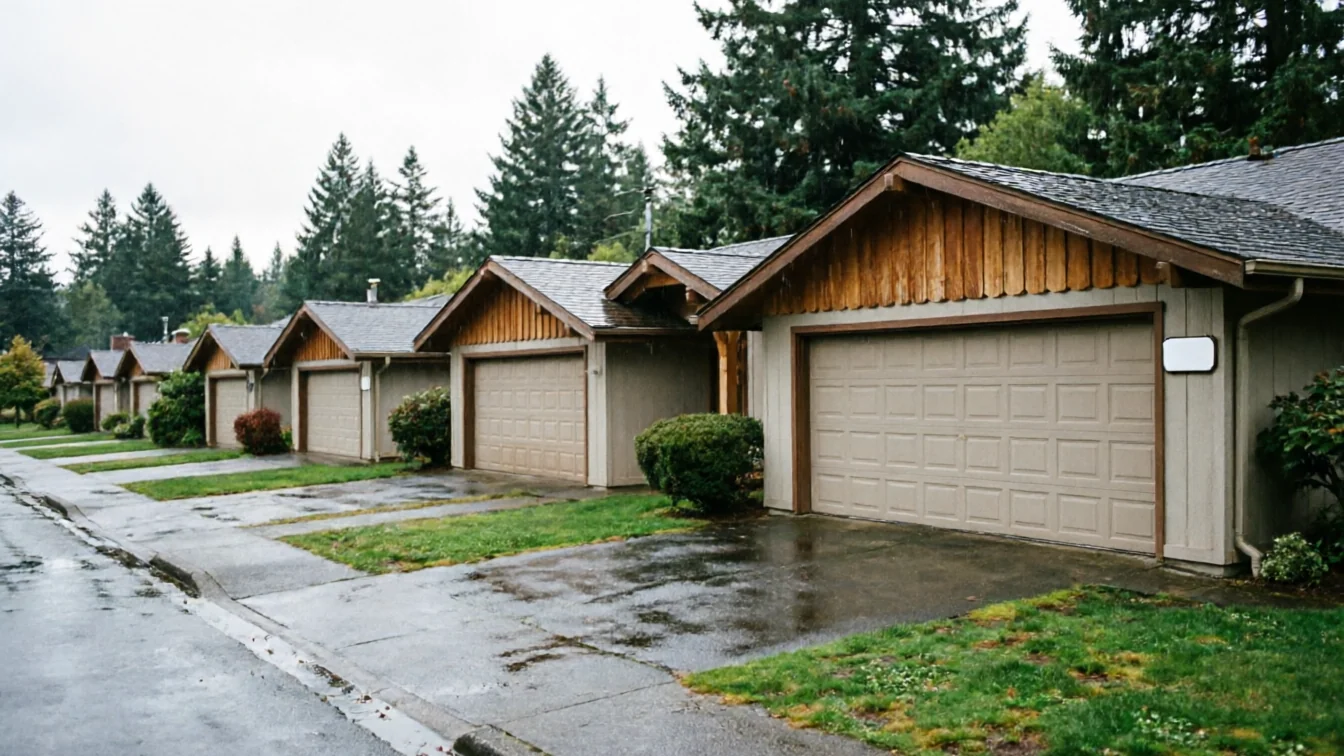
Sherwood homes mostly date to the late 1990s, newer than much of the service area. We explain what that means for your door, spring, and opener, and what we don't do.
What we do here
Local housing
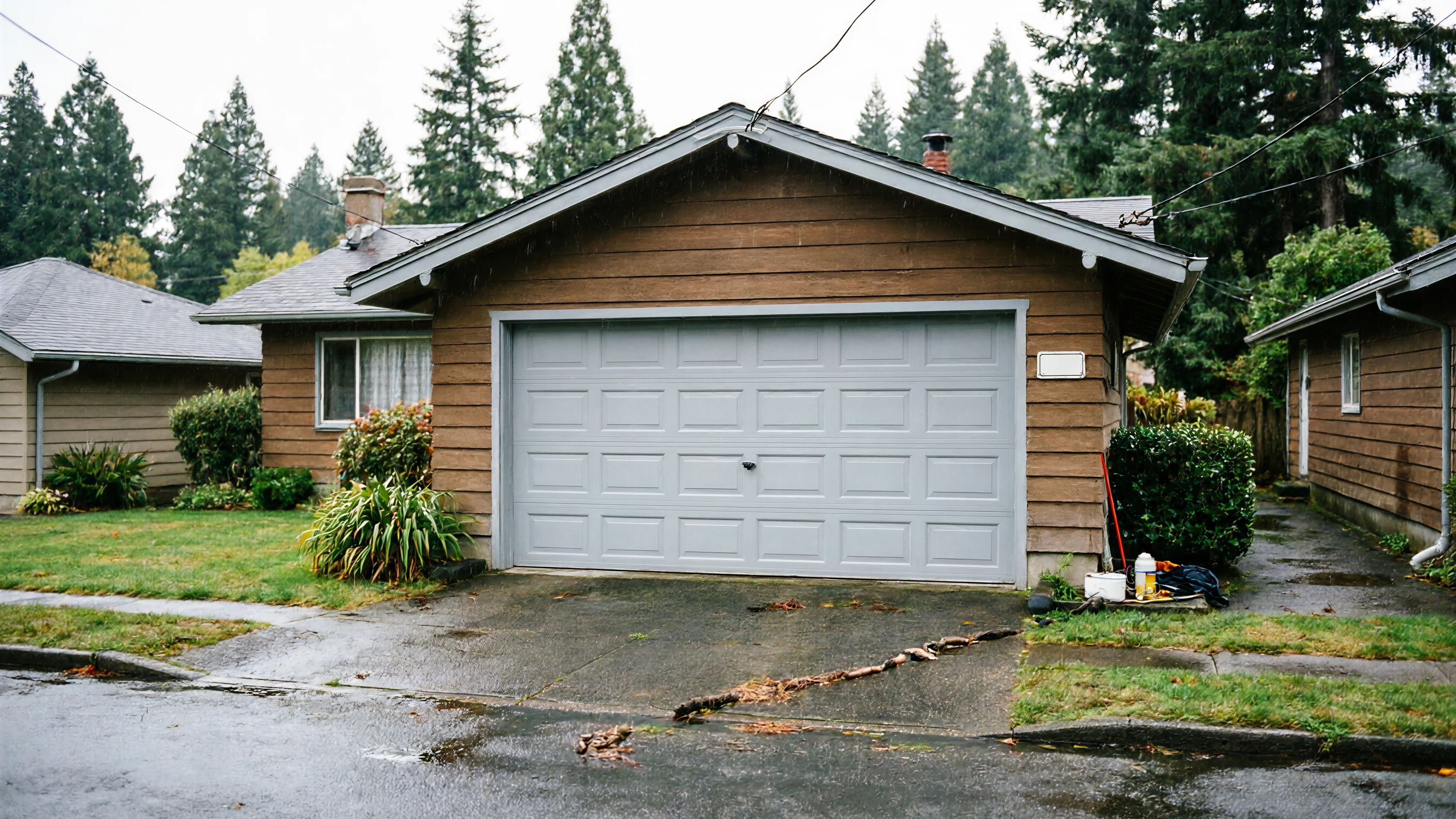
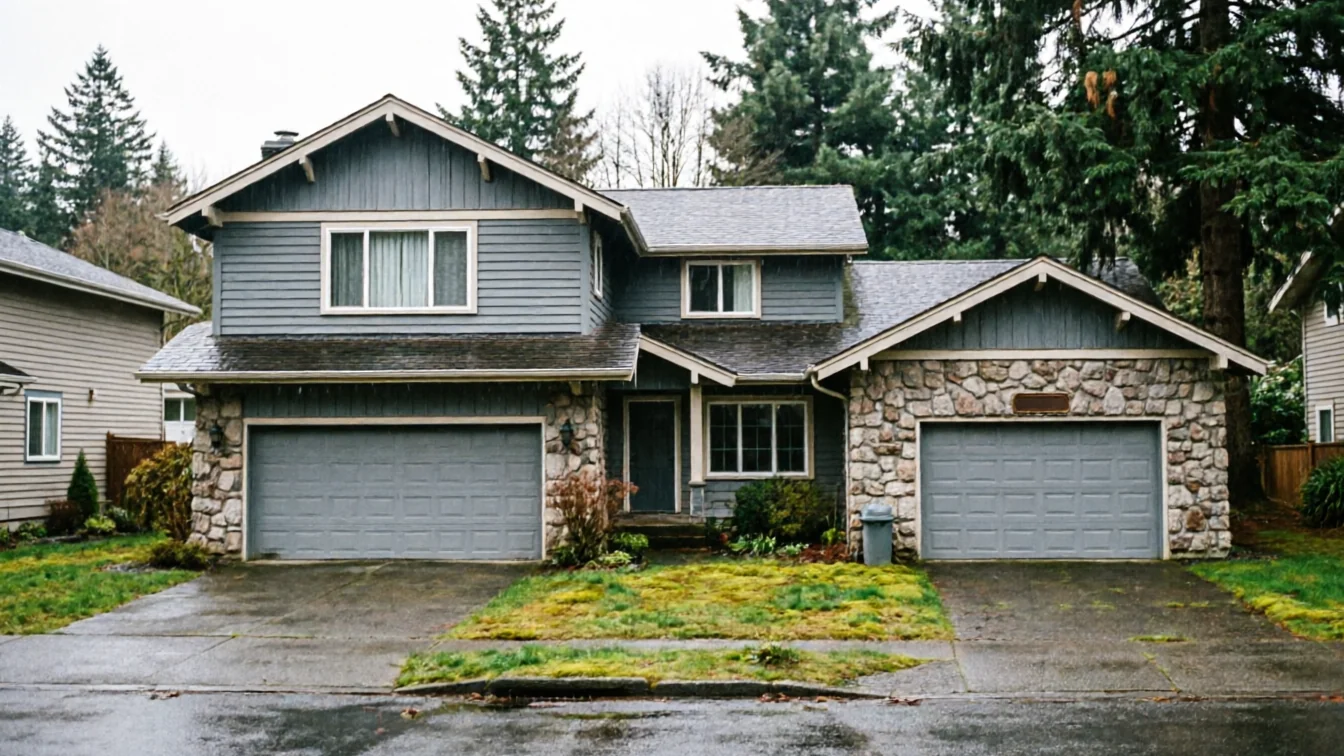
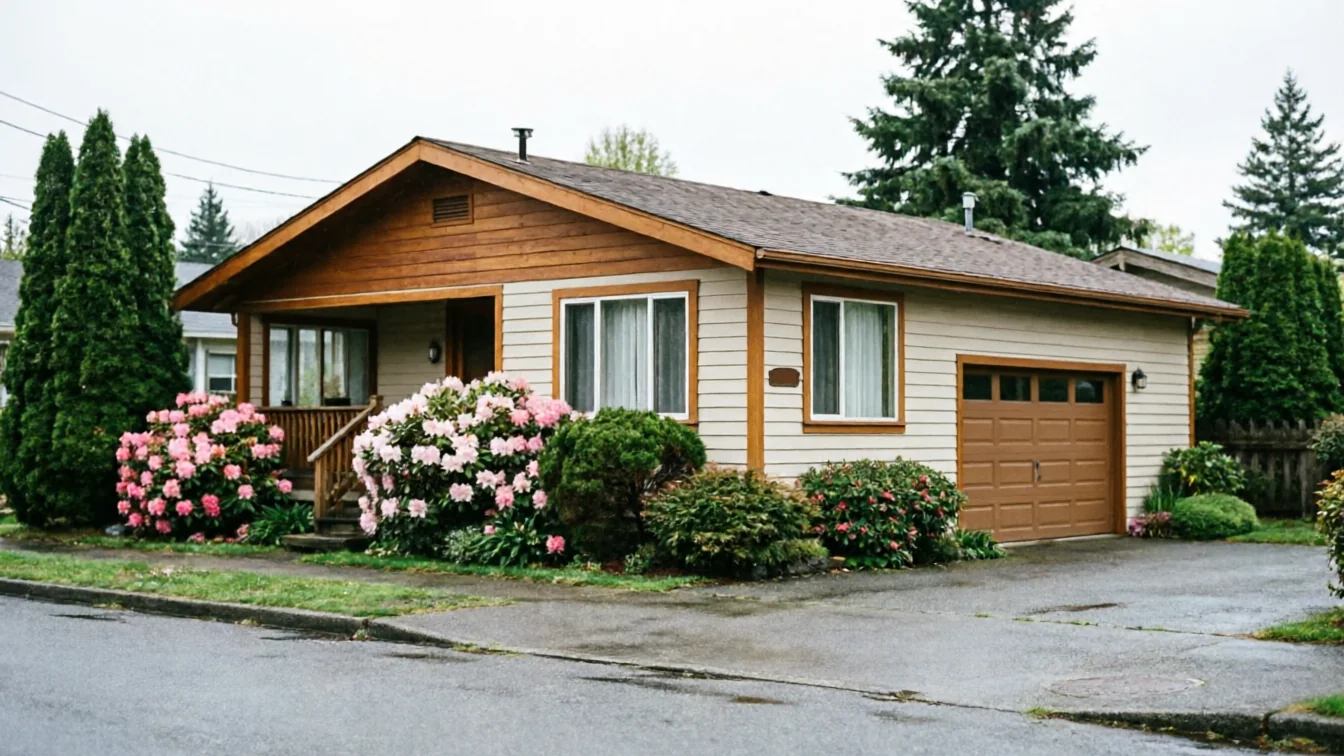
Across our service area the median house was built in 1978, with a lot of stock still dating to the 1960s and 70s. Sherwood doesn't fit that pattern. The median year built here is 1997, roughly twenty years newer than the typical house we see elsewhere on the route from Happy Valley. That's not a small gap. A house built in 1997 was framed, wired, and fitted for garage doors under a completely different set of assumptions than one built in 1965 or 1972.
With 7,017 households in the area and a median income of $110,616, a lot of these homes came in as part of planned subdivisions built out through the 1990s rather than infill on older lots. That matters for garage doors because builders in that era were already using sectional steel doors on torsion springs as the standard install, not the older one-piece tilt-up doors or extension-spring setups you still find on pre-1980 houses. If your house here feels like it has 'normal' hardware compared to what a neighbor in an older part of the region describes, that's why.
Warning signs
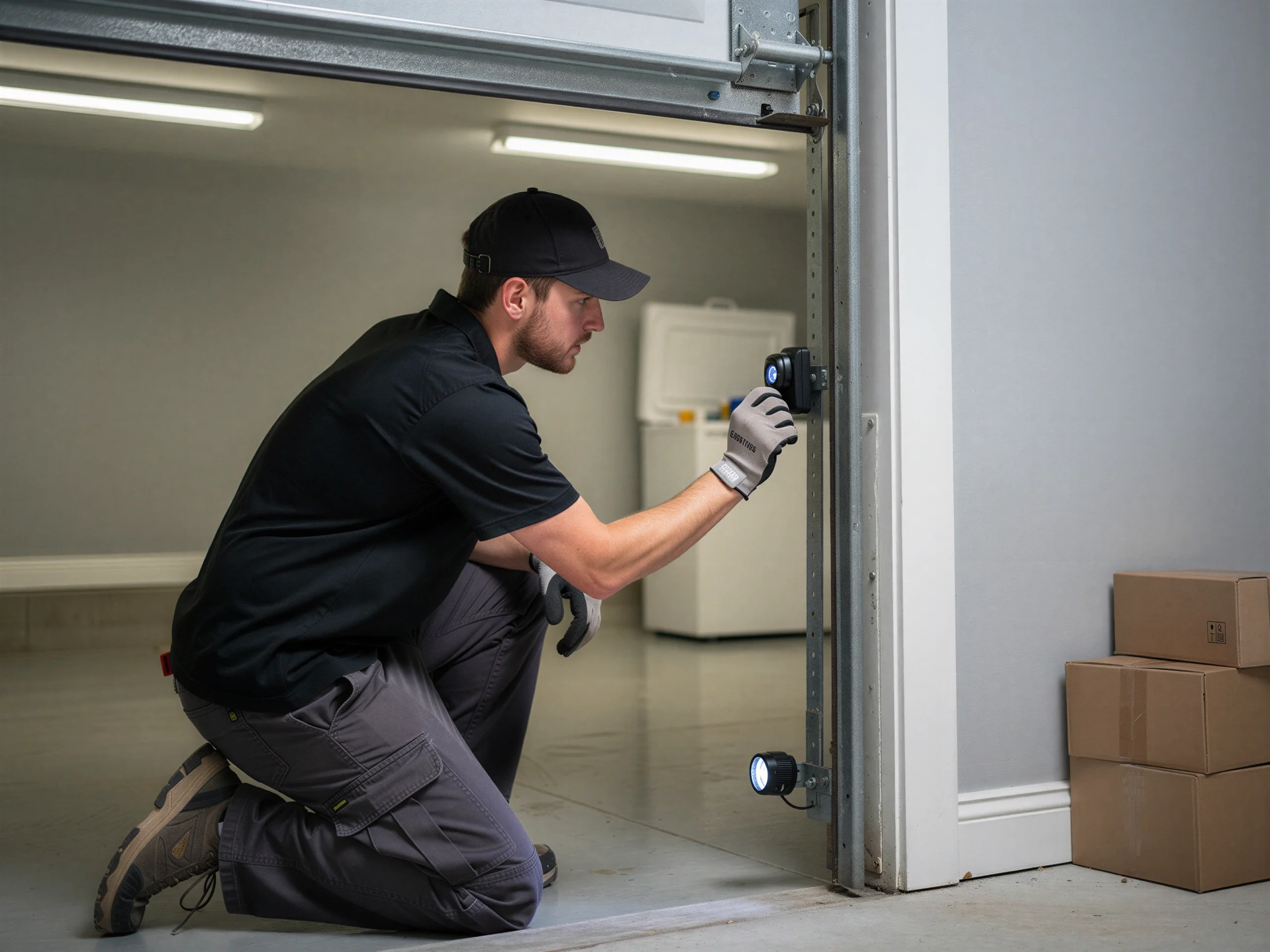
Because most Sherwood houses post-date 1993, doors here were installed after the federal rule requiring auto-reverse safety sensors on garage door openers.
You're not dealing with the older opener units that have no photo-eye sensors and no auto-reverse logic, which is still a common call in older housing stock. That's one less category of job we see out here.
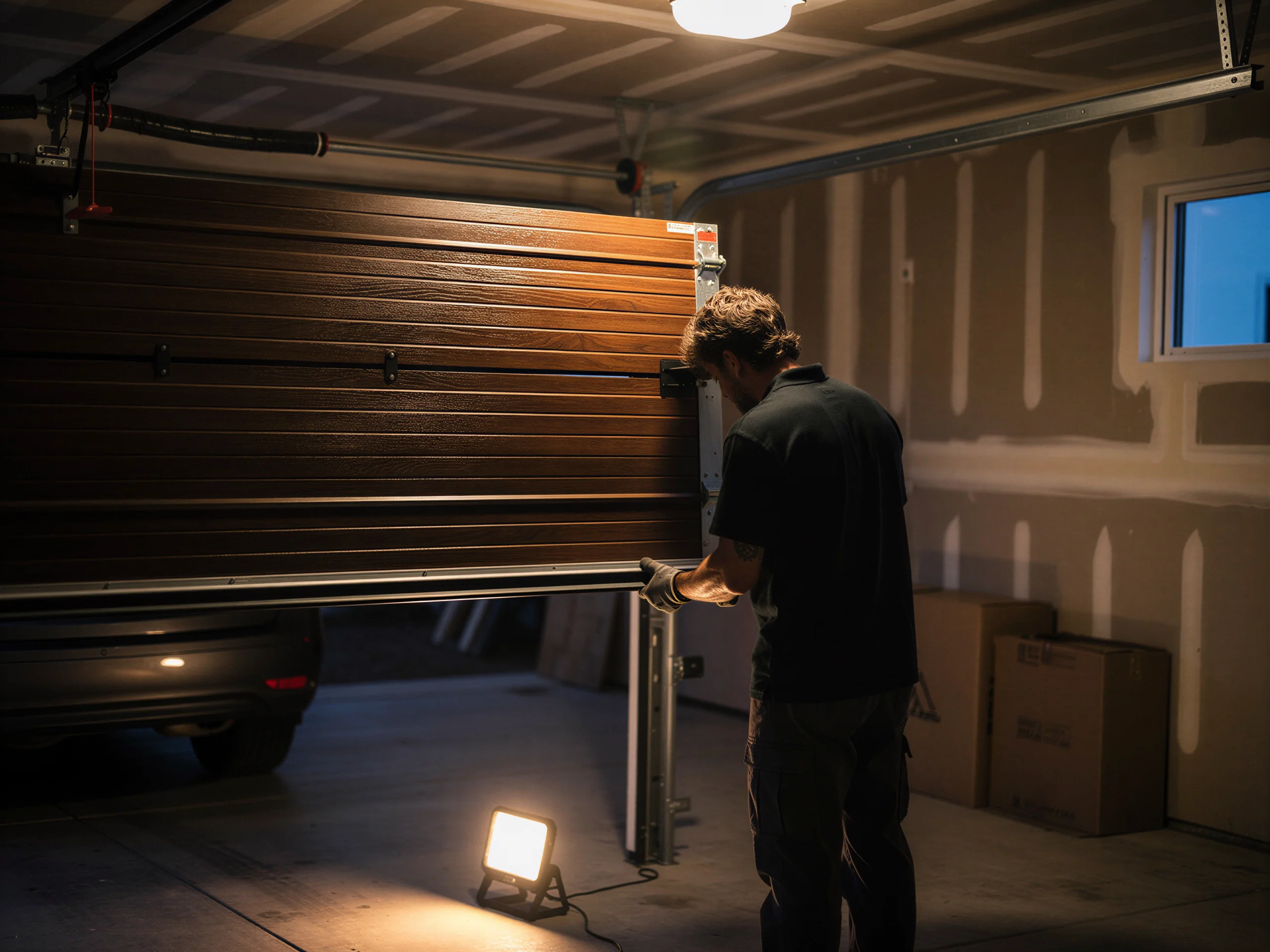
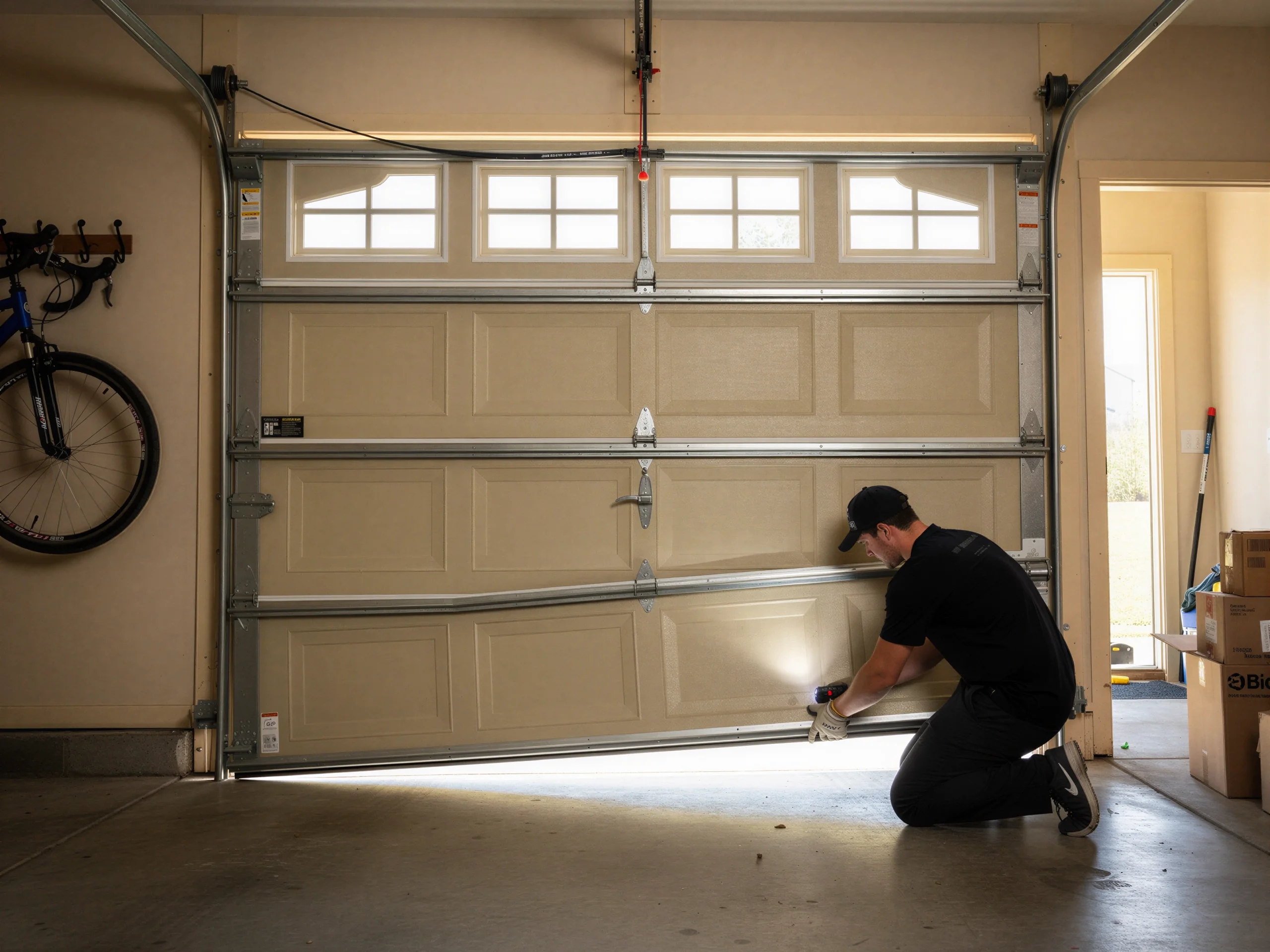
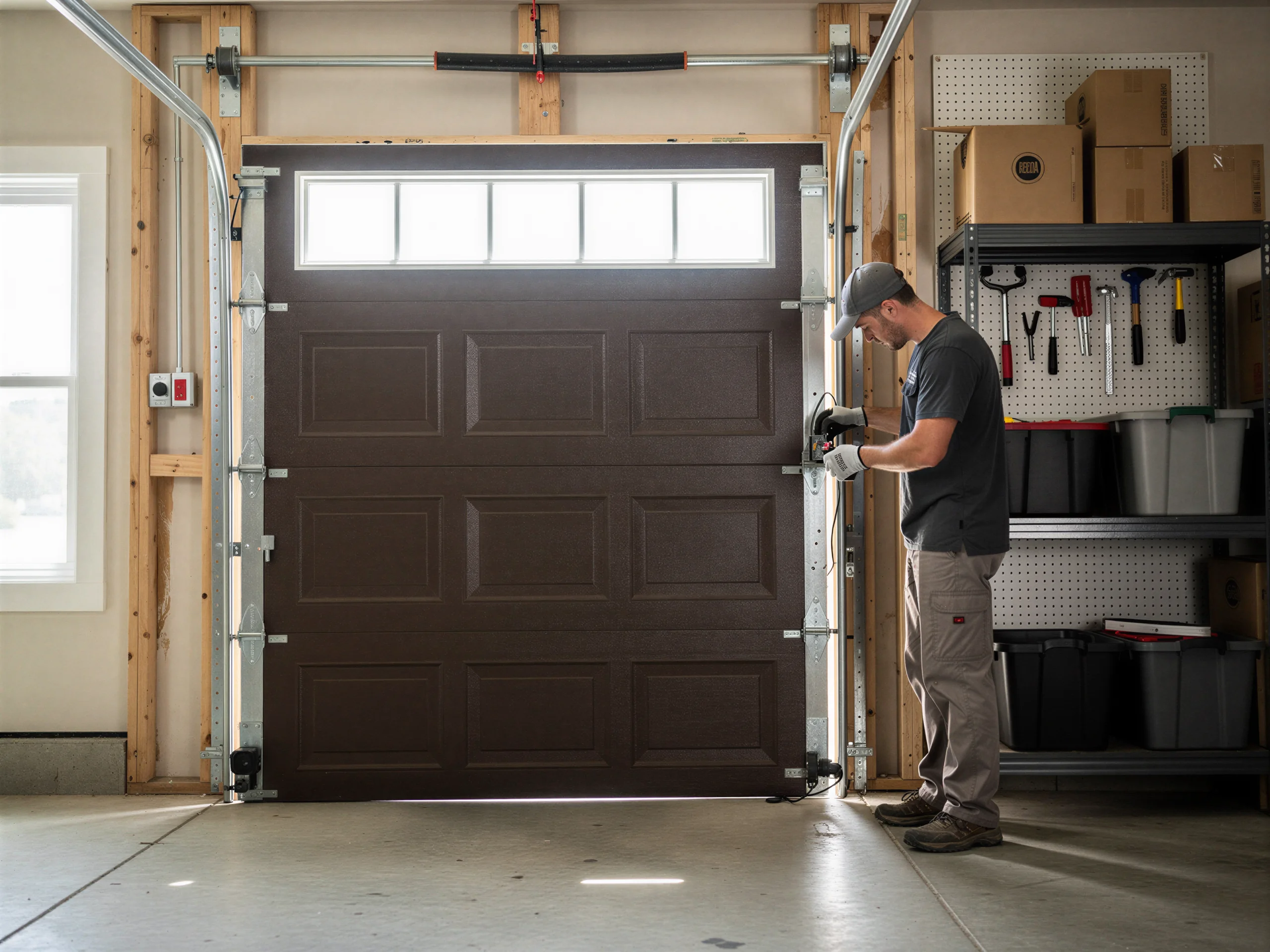
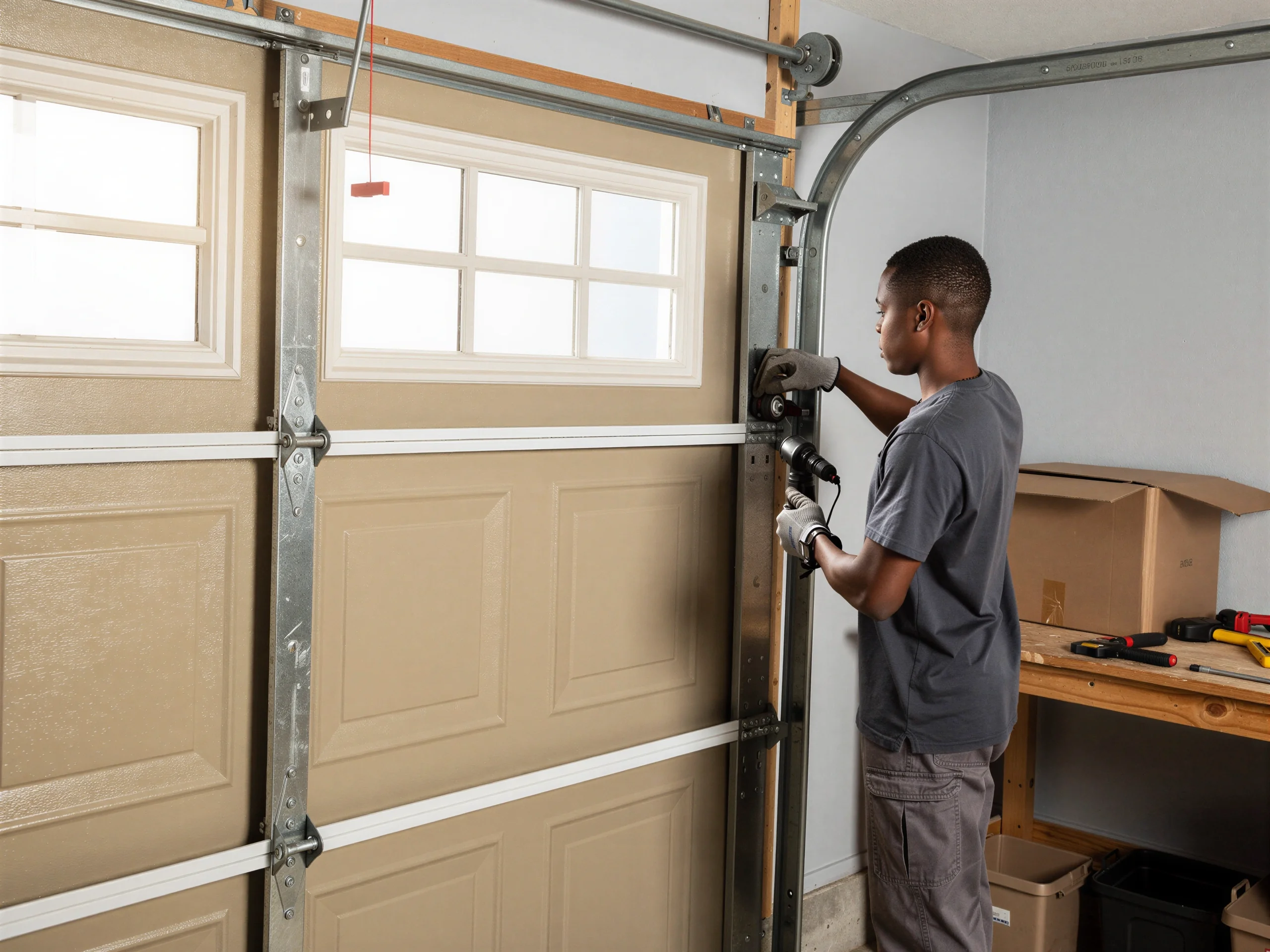
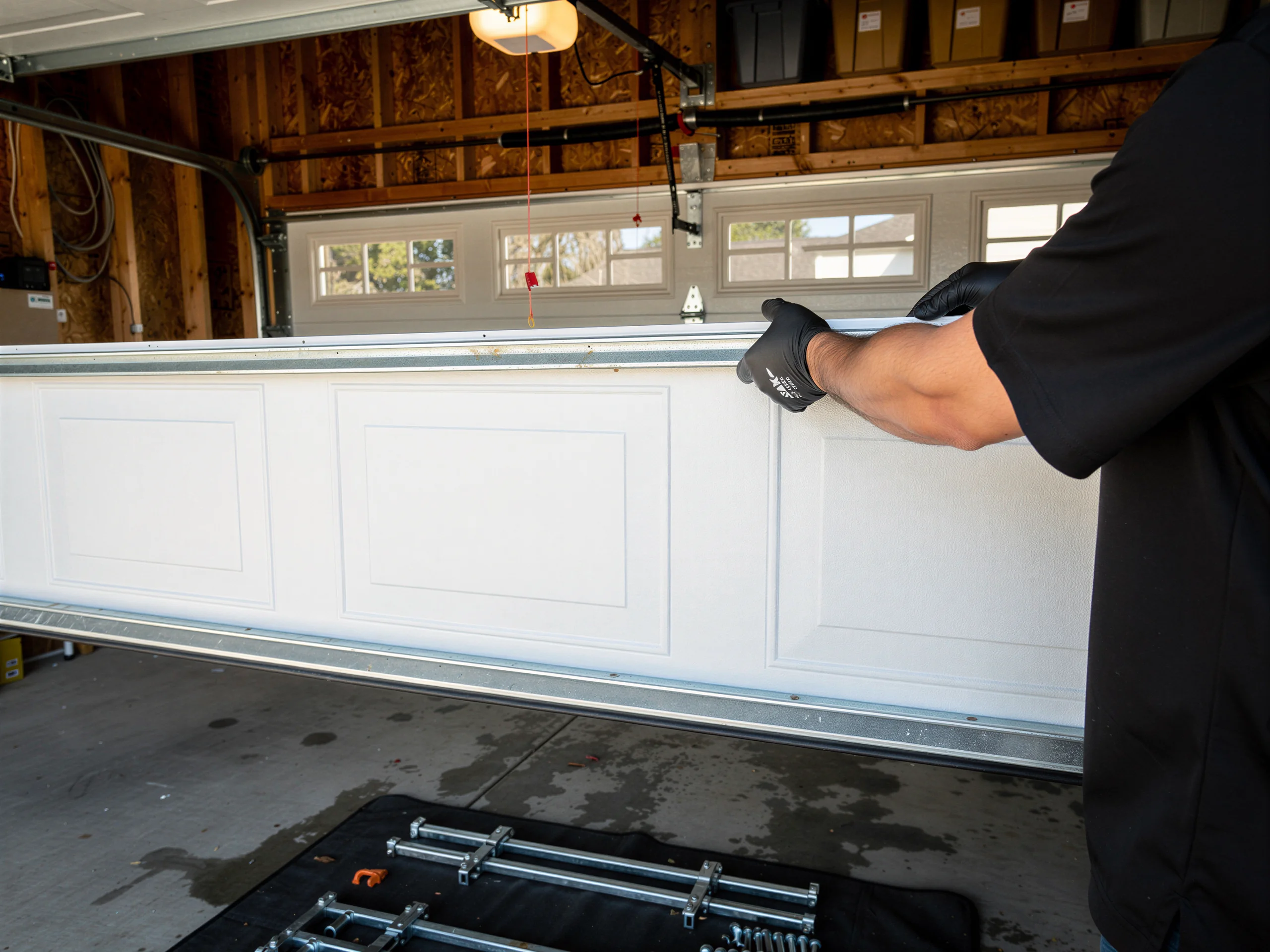
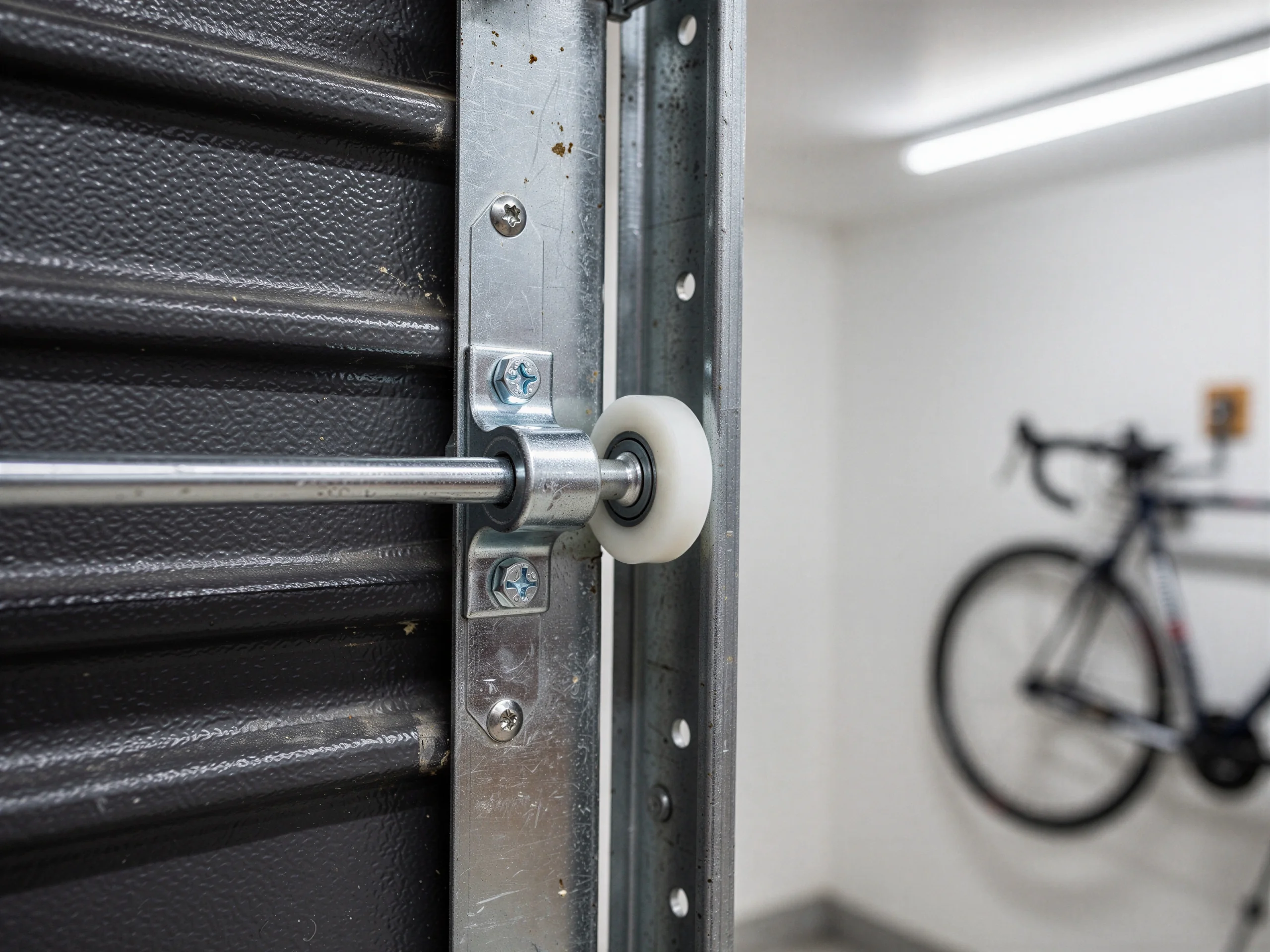
What we do see: torsion springs reaching the end of their cycle life, worn rollers on steel sectional doors, and opener drive gears or logic boards failing as the first wave of 1990s-era openers reaches 25-30 years old. Panels themselves tend to hold up fine; it's the moving hardware and the opener electronics that go first on a house this age.
One limitation worth saying plainly: if your door is an older extension-spring model on a pre-1990s build, that's less common here than elsewhere in the service area, and parts for that older hardware can take longer to source than parts for the torsion-spring sectional doors that are standard on Sherwood-era construction.
Old vs new homes
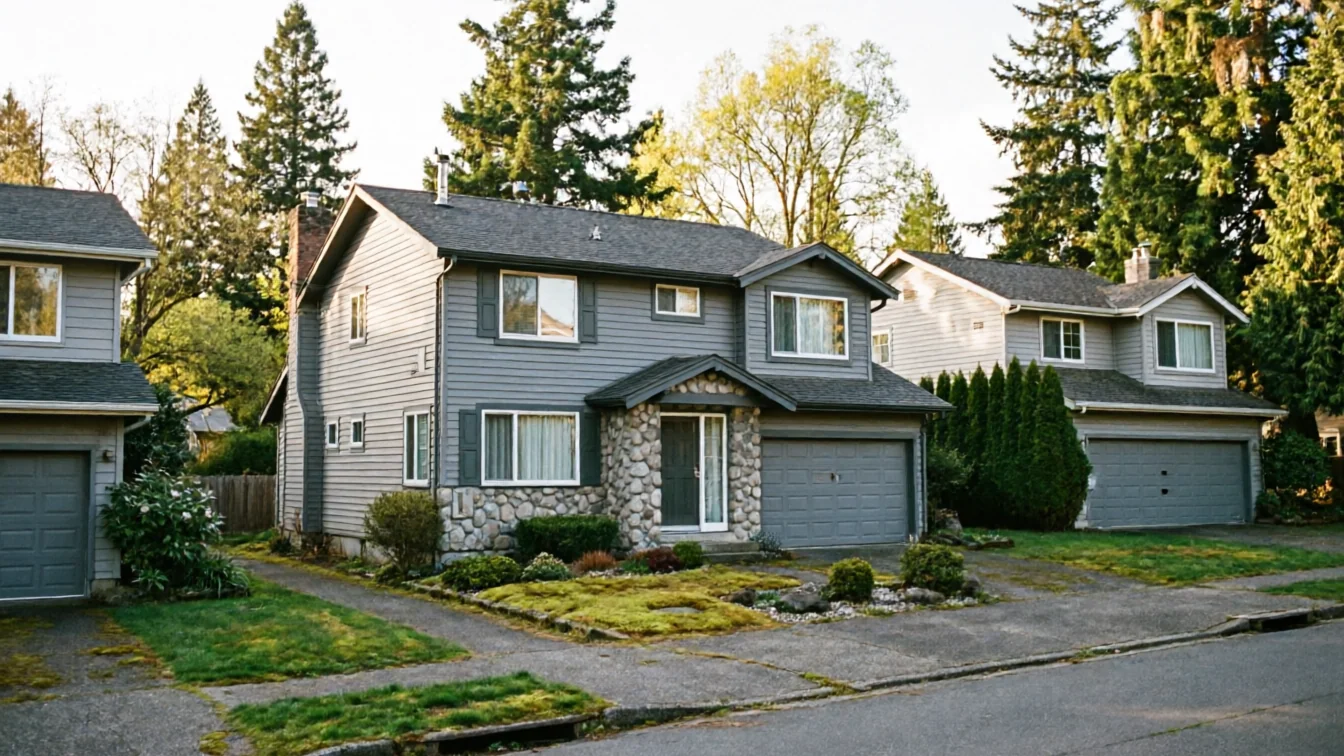
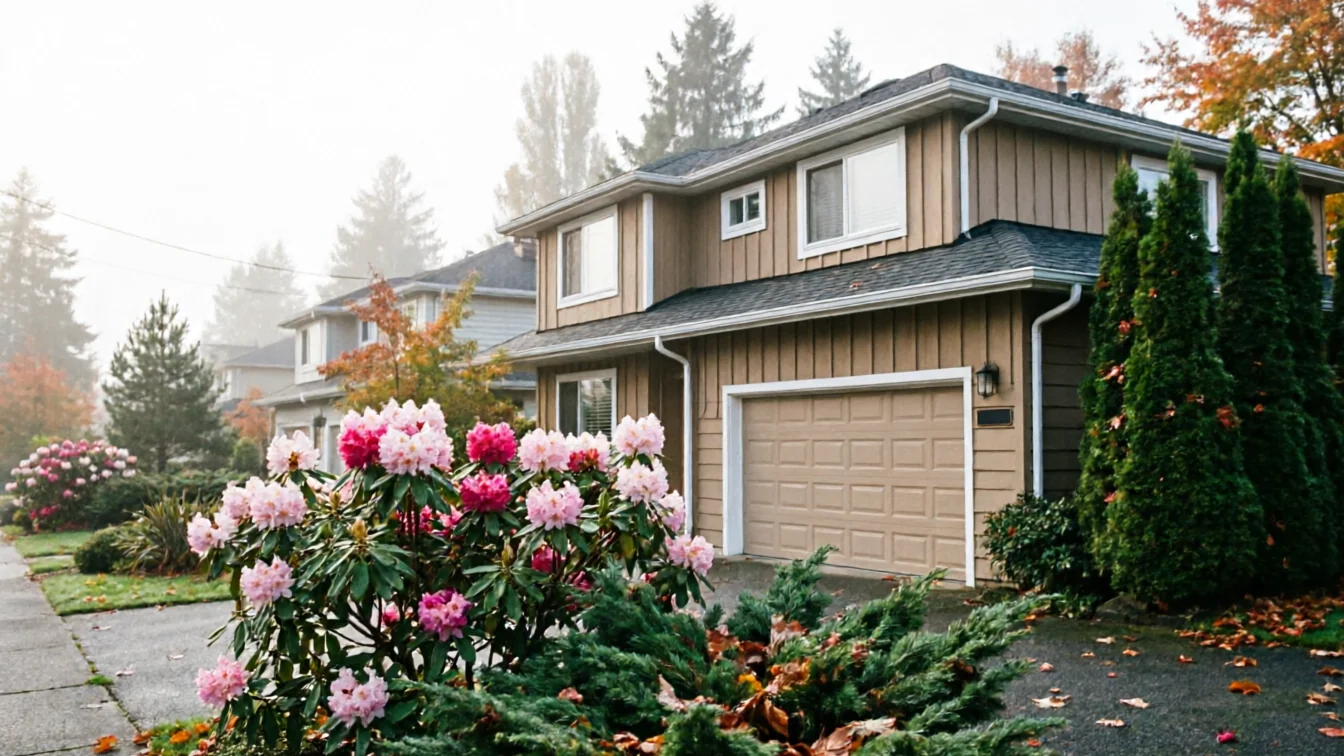
Sherwood sits about 17 miles from our base in Happy Valley, further out than most of the area we cover day to day. The housing here reads newer and more uniform than the mixed-era pockets closer in, which is consistent with a town that saw a lot of its growth concentrated later than the 1960s-70s wave that shaped much of the broader region.
We're not going to claim a depot or a standing presence in Sherwood, because we don't have one - the truck comes from Happy Valley. What that means in practice is we're candid about drive time when you call, and we plan the job around it rather than promising a window we can't hold from 17 miles out.
Response times
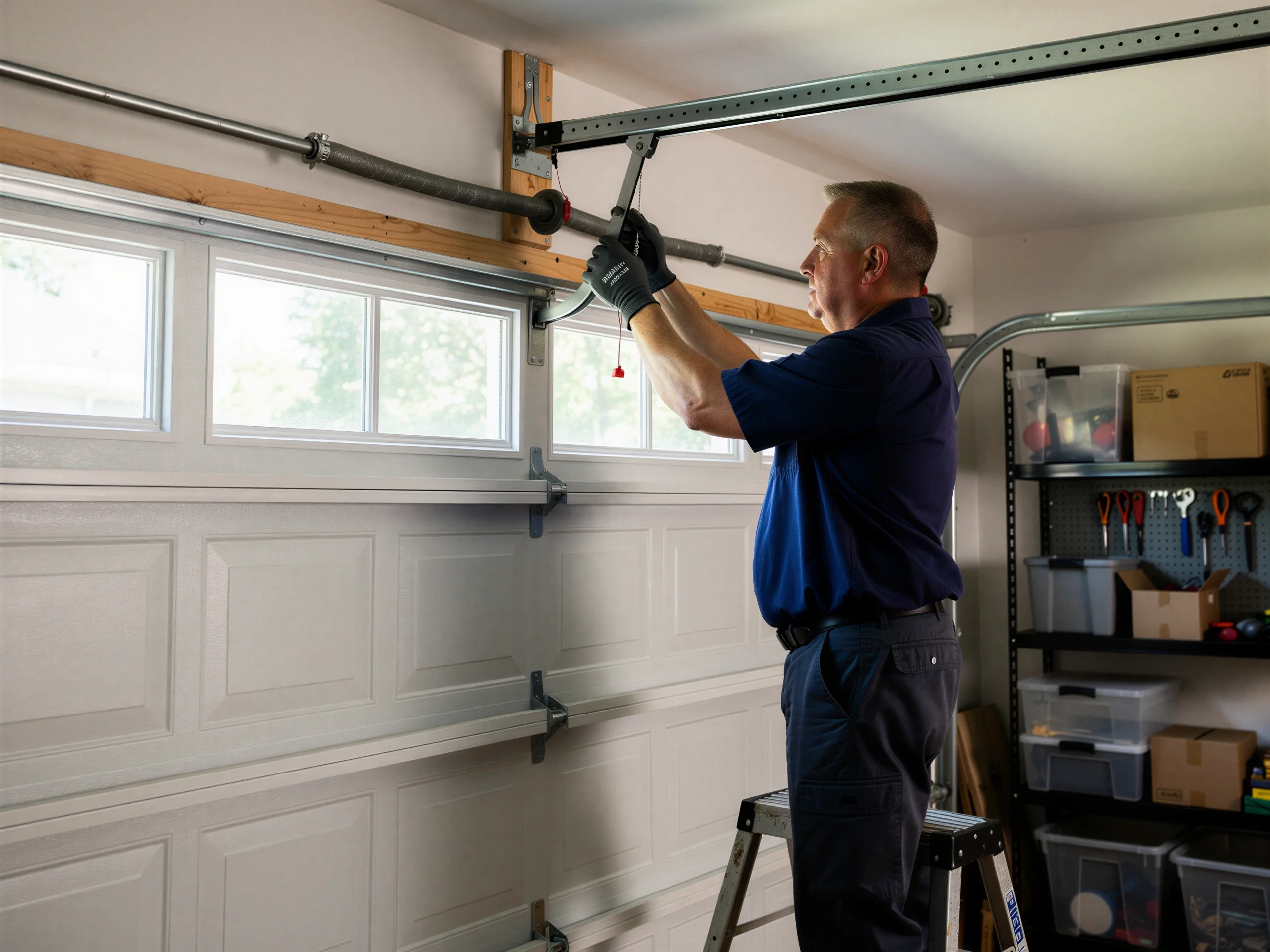
For a house built around 1997, the spring and opener hardware is reaching the age where failure gets more frequent, not less. Torsion springs are typically rated for a number of open-close cycles rather than a calendar age, but a 25-to-30-year-old spring on a daily-use door is well into the range where we'd expect it to be close to done, and opener logic boards from that era are at a similar point.
Because Sherwood is on the far edge of our travel range from Happy Valley, we'd rather be straight about scheduling than stretch a promise. If it's a safety issue - a door that won't stay open or a spring that's already snapped - say so when you call and we'll prioritize accordingly. For routine maintenance or an opener that's just getting noisy, we'll give you an honest window rather than a same-day guarantee we can't back up from this distance.
Service areas
Questions
Houses here mostly went up around 1997, after federal rules required auto-reverse safety sensors on openers. Older houses elsewhere in the service area, especially ones from the 1960s and 70s, often still run openers without that safety logic. Yours was built with it standard, so the behavior and the fail points are different.
No. We work out of Happy Valley, about 17 miles away, and Sherwood is on the far end of our coverage. We'll tell you honestly what that means for scheduling when you call rather than promise a same-day window we can't hold from that distance.
If your house was built around 1997, it's possible but not guaranteed - torsion springs are rated by cycle count, not age, and a door used daily for over two decades is well into the range where we'd expect the original spring to be near the end of its life.
Ready when you are
Happy Valley Garage Door Pros repairs and installs garage doors, springs and openers in Happy Valley, OR and the surrounding area.