
Universal rail kits used
Most of those original openers used a style of trolley and rail assembly that's been through a few design changes since, so we bring universal rail kits rather than betting we can match a 1997 bracket pattern exactly.
Sherwood, Happy Valley
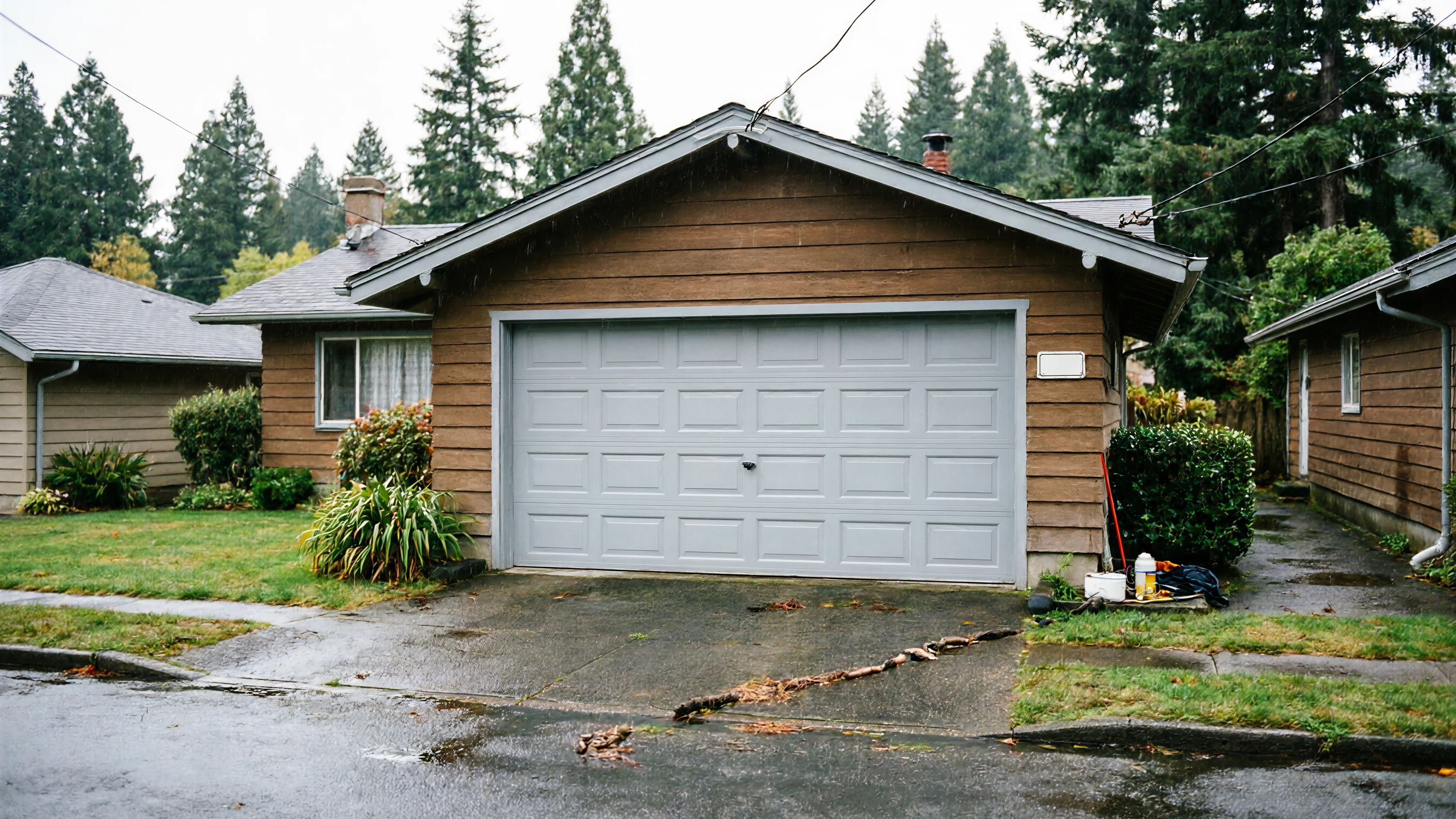
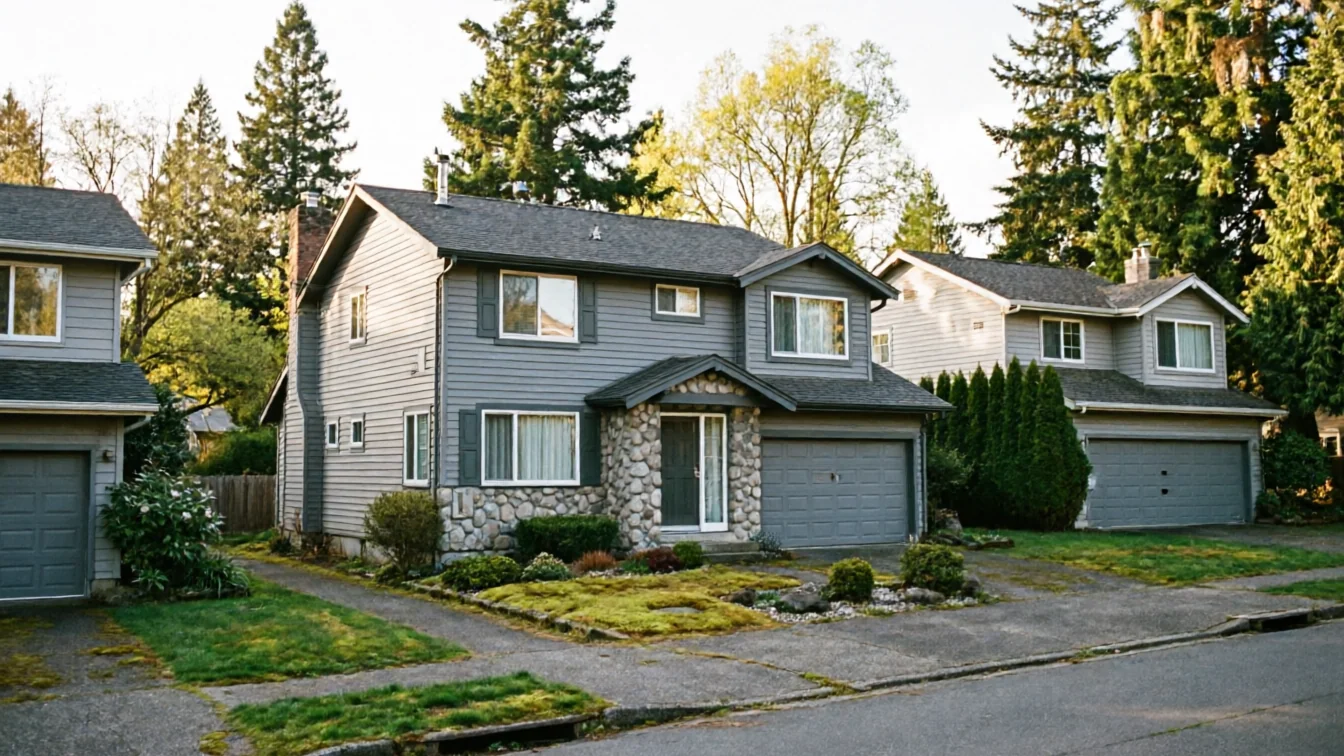
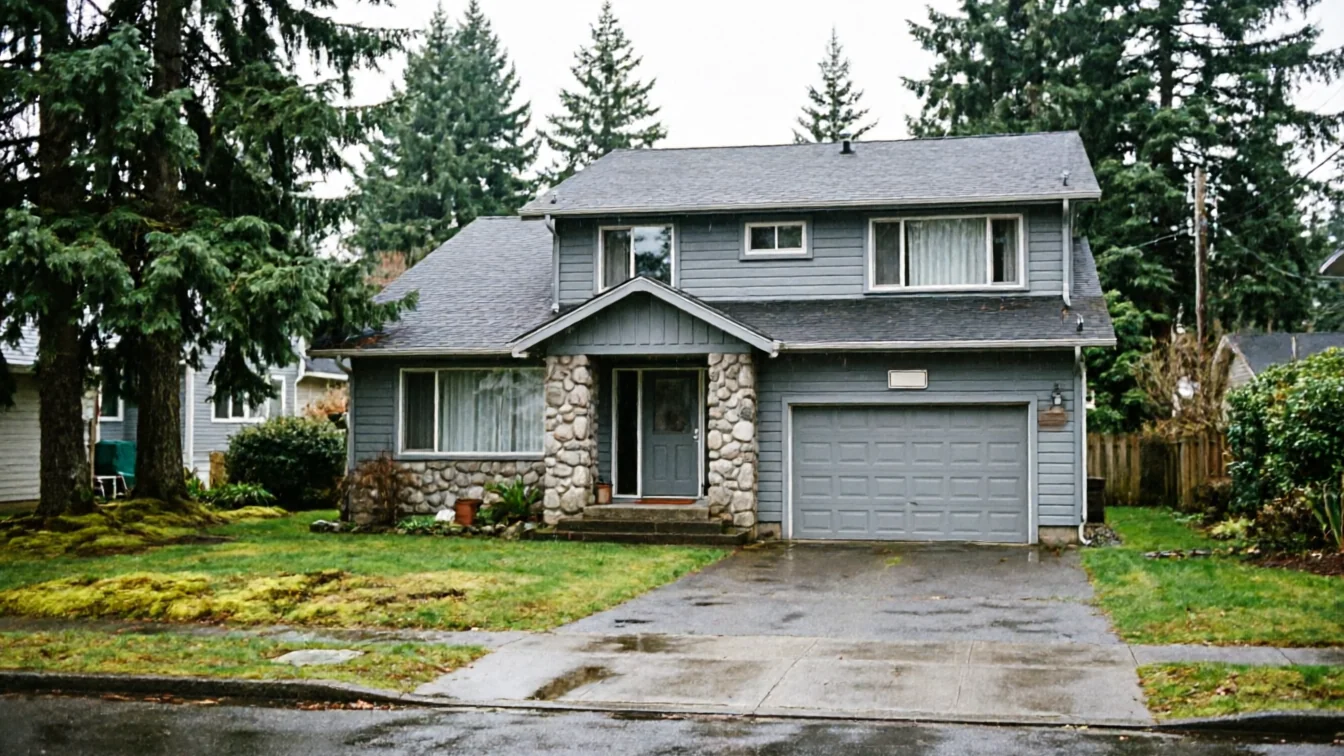
Sherwood's homes mostly went up in the late 1990s, so most openers here are original builder units nearing 25-30 years old. We install from Happy Valley, 17 miles out.
Local causes
Sherwood is a smaller town, a little over 7,000 households, and the bulk of that housing went up around 1997. That matters more than it sounds. A town this size doesn't have the mixed bag of eras you get in bigger suburbs - most garages here got their opener the same year the house was framed, which means a lot of Sherwood openers are closing in on 25 to 30 years of duty cycles. That's not a coincidence of timing, it's the reason we're getting more opener calls out of Sherwood lately than you'd expect from a town its size. The chain or belt has stretched, the logic board has outlived its capacitors, or the original safety-reversal sensors have drifted out of alignment after decades of garage temperature swings. When a builder-grade opener from a single construction wave starts failing, it tends to fail across a lot of houses in the same few years, not one at a time.
On the truck
We stock chain-drive and belt-drive openers in the horsepower ranges that fit a standard double or single garage door, along with the photo-eye safety sensors, remotes, and keypads that replace what Sherwood's late-90s builder units came with.
Most of those original openers used a style of trolley and rail assembly that's been through a few design changes since, so we bring universal rail kits rather than betting we can match a 1997 bracket pattern exactly.
If your opener has a wall console wired directly into the house's original low-voltage run, we carry adapters for that too, since ripping out the wiring isn't always worth it.
DIY or pro
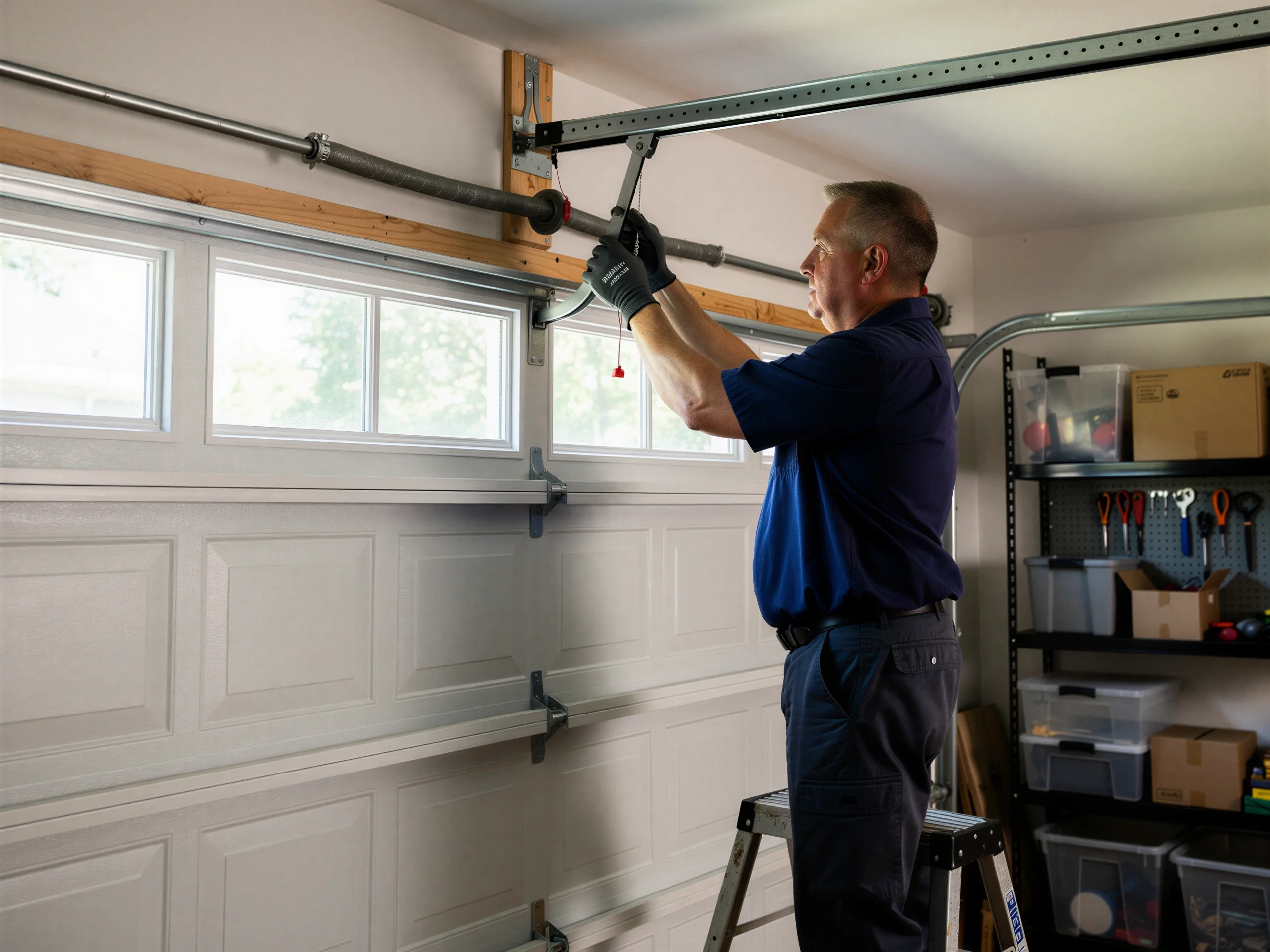
Mounting a new opener bracket to the header above a garage door, wiring a new logic board, and setting the travel limits is doable for someone comfortable with a drill and a ladder, but the part that trips people up is the force and safety-reversal settings. Federal rules have required an opener to reverse on contact and to have working photo-eye sensors since the early 1990s, and a unit from 1997 should already meet that, but a DIY install that skips the force adjustment can leave a door that doesn't reverse properly. If you're swapping a failed opener for a new one on the same bracket, it's a reasonable weekend project. If the bracket, rail, or header itself needs rework, that's where we'd rather you call.
Warning signs
Serving Happy Valley, OR
The opener runs but the door doesn't move, or it moves partway and reverses for no reason, or the motor hums and nothing happens at all. On a house this age, we also see the remote work fine but the wall button do nothing, which usually means a wiring fault somewhere behind drywall rather than the opener itself. Grinding or chain slap partway through the cycle is wear on a chain-drive unit's sprocket, and it's common enough on openers this age that we check for it before assuming the motor's dead.
The repair
We start by testing the logic board, the sensors, and the wall control separately before deciding whether this is a motor problem or a wiring problem - a 1997-era opener that's otherwise sound sometimes just needs new photo-eyes and a force reset rather than a full swap.
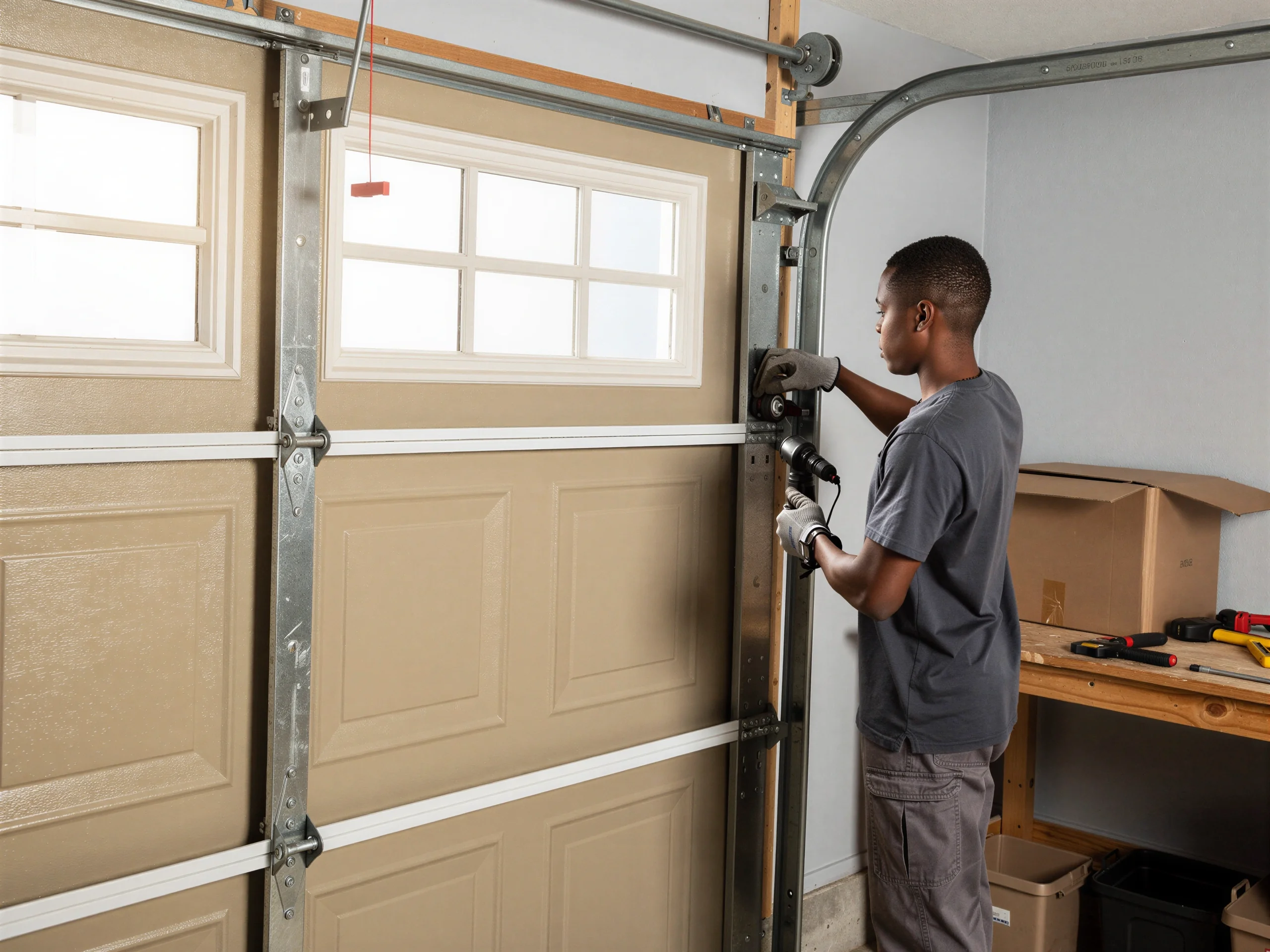
If the unit's done, we remove the old motor head, mount the new one to the same header bracket where it's solid, run a new rail if the old one's bent or pitted, and set the open/close limits and auto-reverse force by hand before we leave.
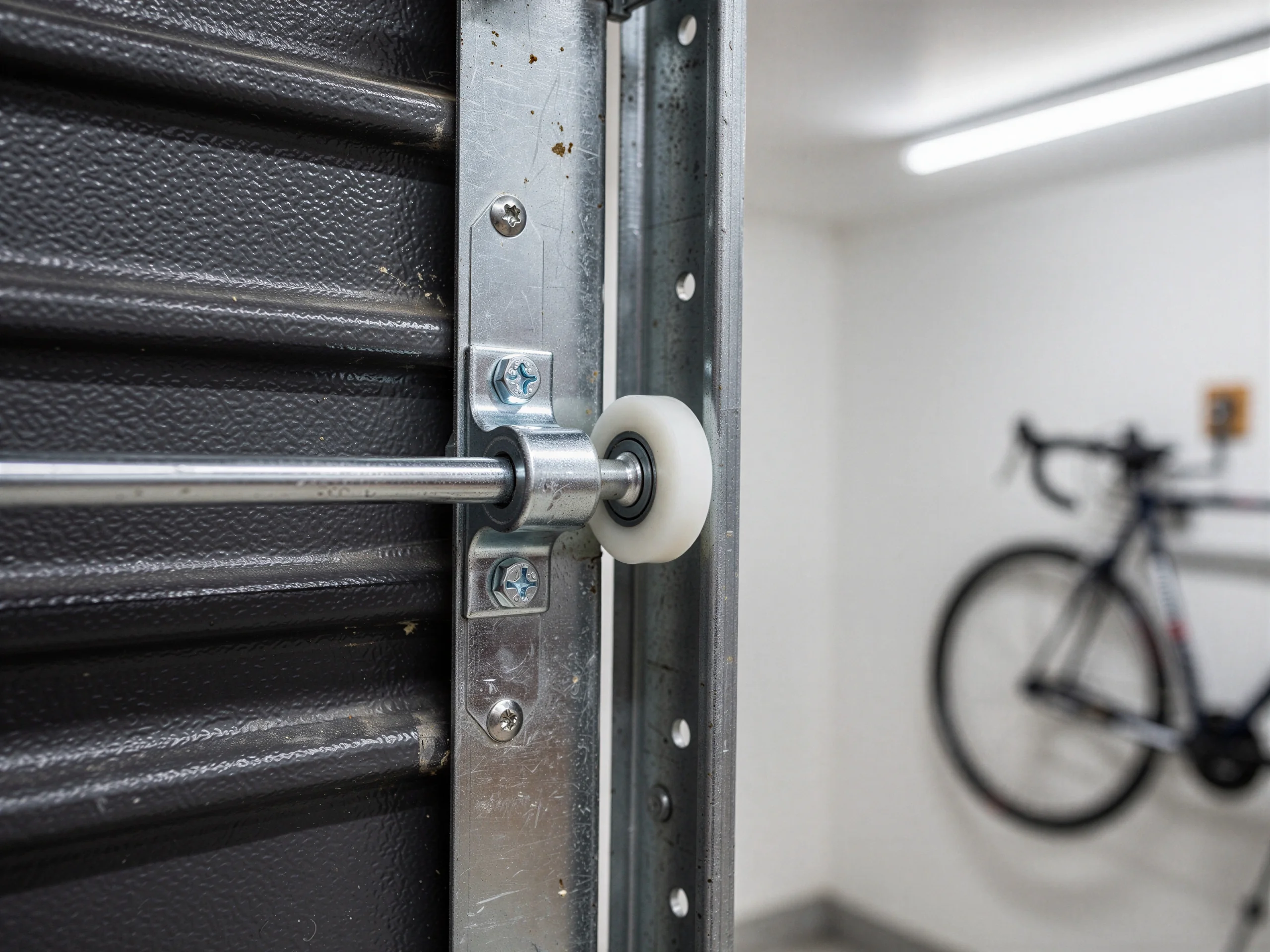
Mild winters here mean we're not fighting frozen grease or ice-bound tracks the way colder climates do, but damp garages still shorten the life of exposed chain and bearing hardware, so we check those while we're in there.
Watch-outs
An opener install goes sideways when the door itself is the real problem - a spring that's lost tension or a track that's racked will make a brand new opener strain and fail early, so we won't install a motor onto a door that needs spring work first; that's a separate job and we'll say so before we start. We also won't guess at a bracket that's rotted into a header, since that's a structural fix, not an electrical one. We come out from Happy Valley, about 17 miles from Sherwood, so we schedule the drive rather than treat it as a same-area drop-in, and we're upfront that we don't keep a branch or stocked truck sitting in Sherwood itself.
Questions
There's no fixed number, but an opener installed with a house built around 1997 is now old enough that the logic board, capacitors, and drive gear are all near the end of their expected life at once. If more than one part is failing, replacement usually costs less over time than repeated repair visits.
We carry universal rail kits that fit most header brackets from that era rather than an exact factory match, since many of the original manufacturers have changed their mounting design since. In most cases the universal kit bolts to the existing bracket without modification.
No. We're based in Happy Valley, about 17 miles away, and we drive out to Sherwood for scheduled jobs. We don't keep a branch, depot, or stocked truck in town.
Explore more
Ready when you are
Happy Valley Garage Door Pros repairs and installs garage doors, springs and openers in Happy Valley, OR and the surrounding area.