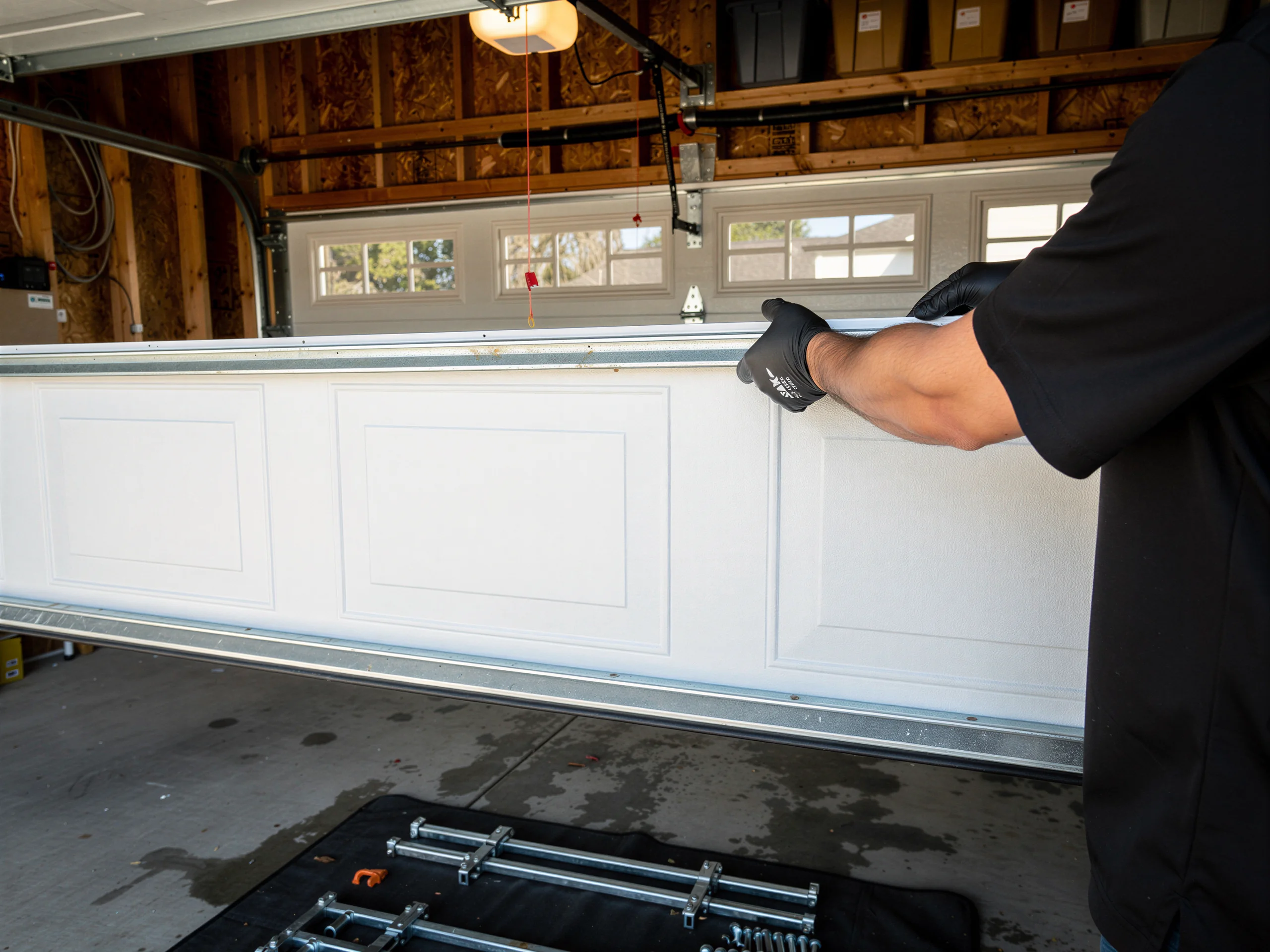
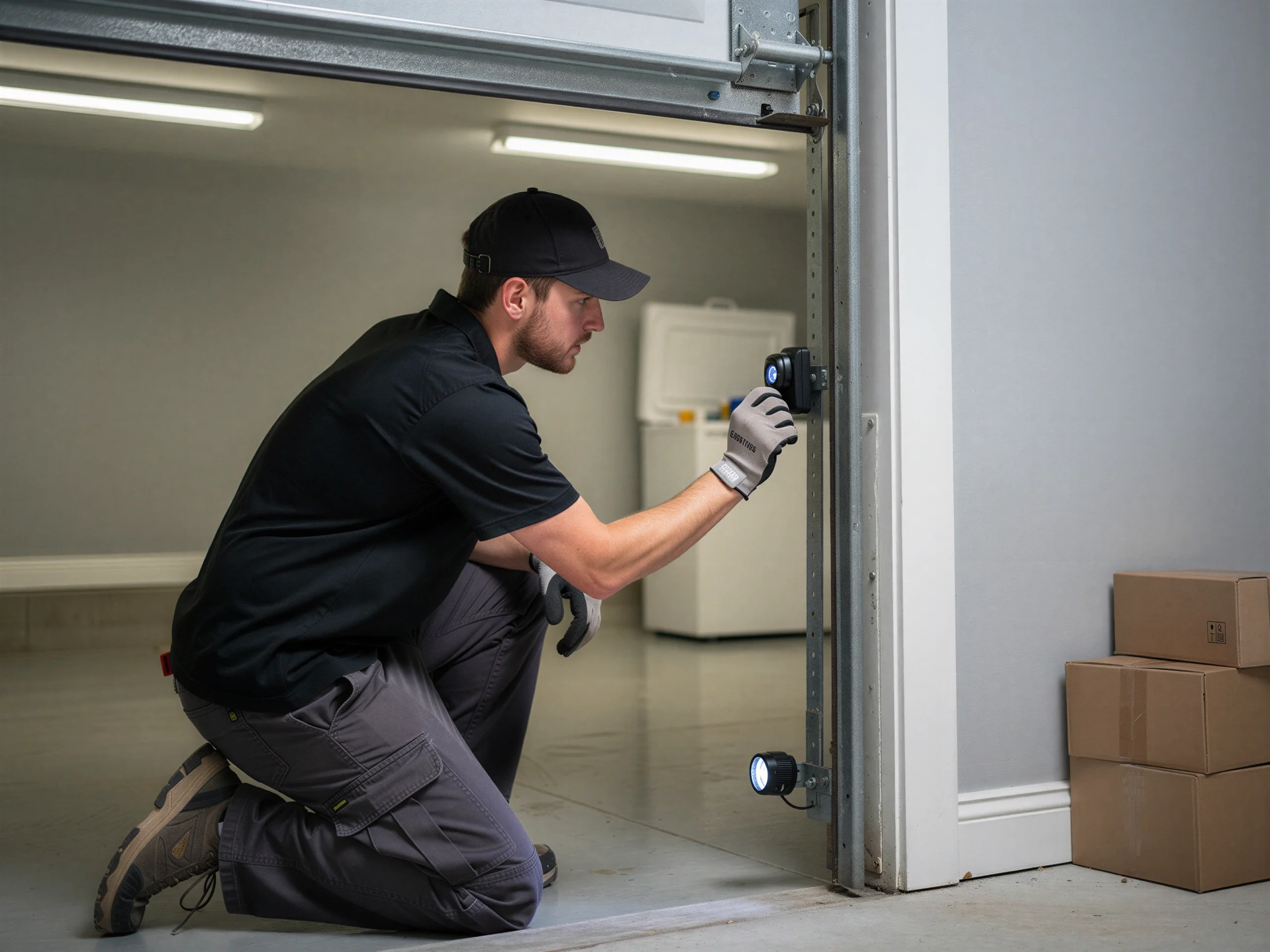
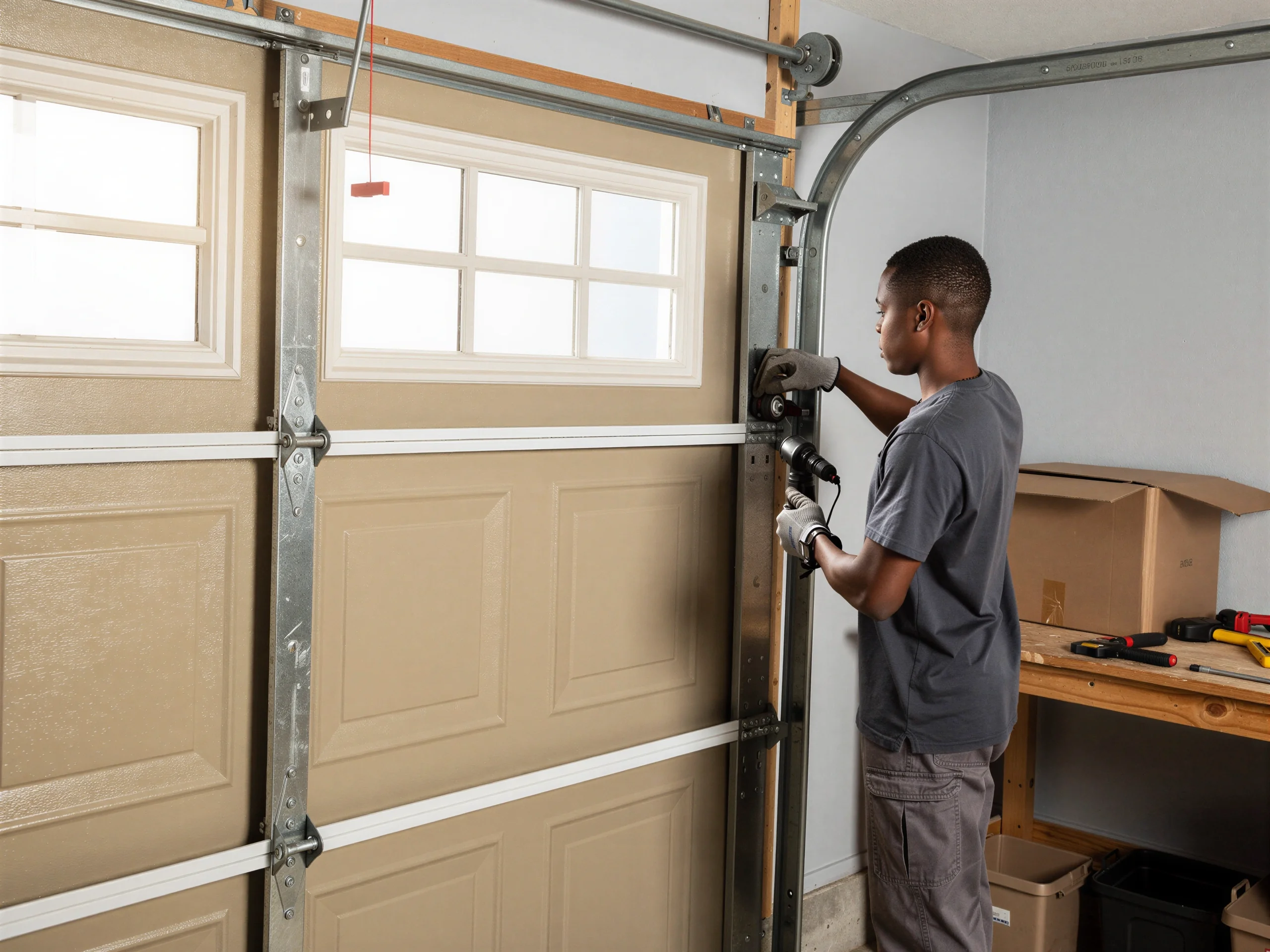
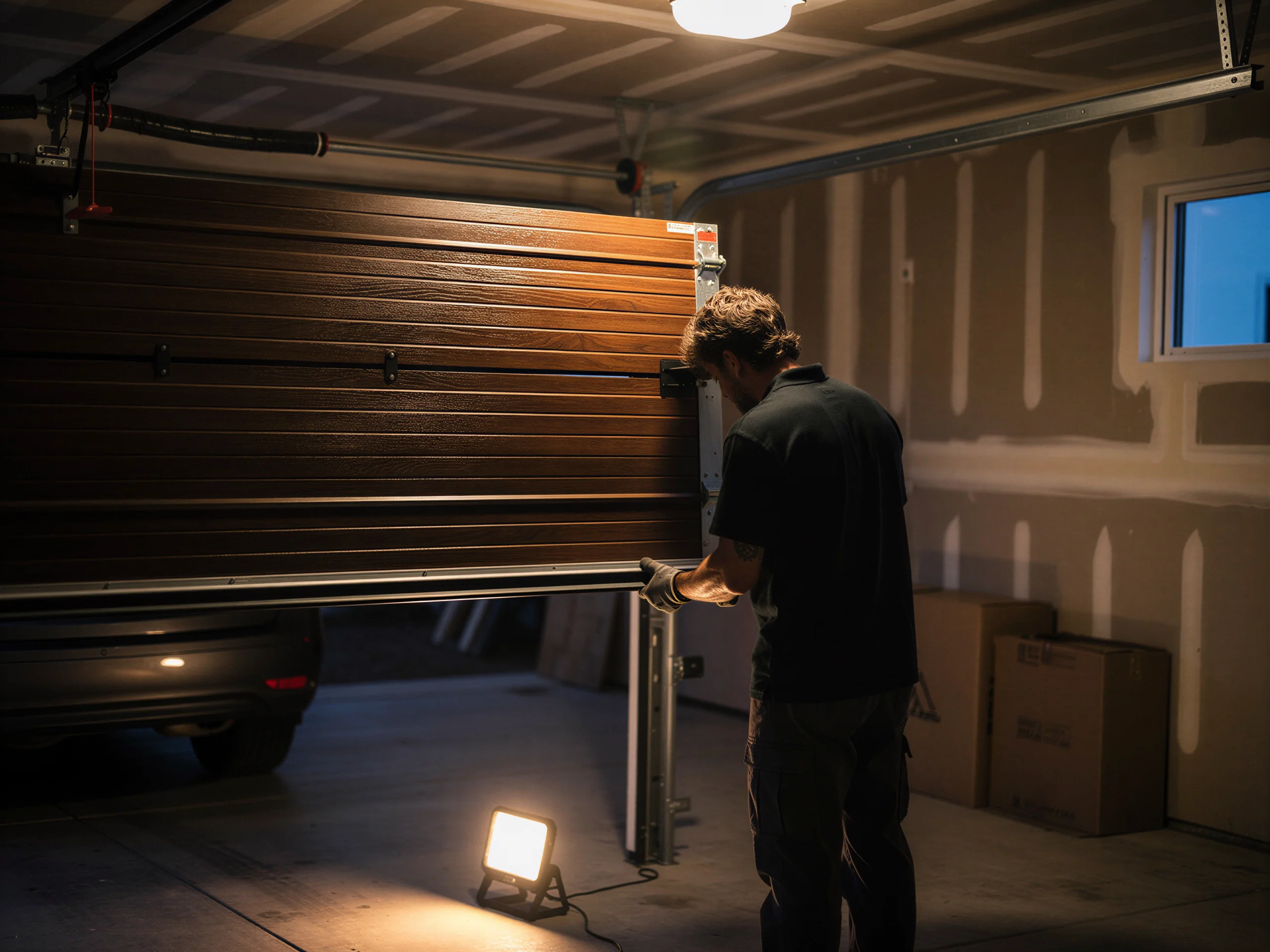
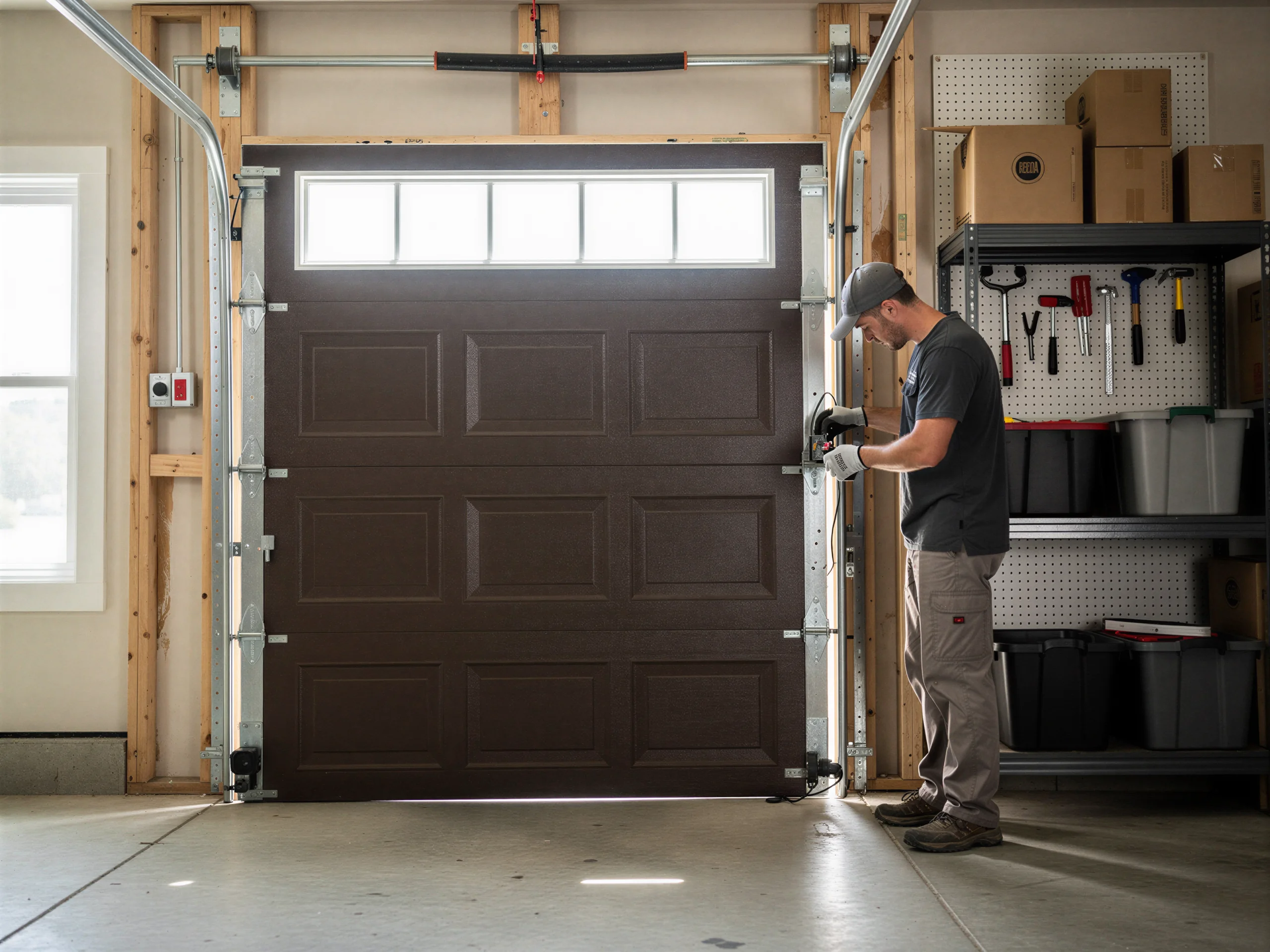
This area sits in a mild climate with occasional freeze, which doesn't crack panels the way a hard freeze-thaw cycle does further east. What drives panel failure here is age and moisture exposure over a long, wet season rather than cold snaps - steel skins rusting from the bottom up, foam cores that have soaked up damp air over decades and lost their bond to the skin.
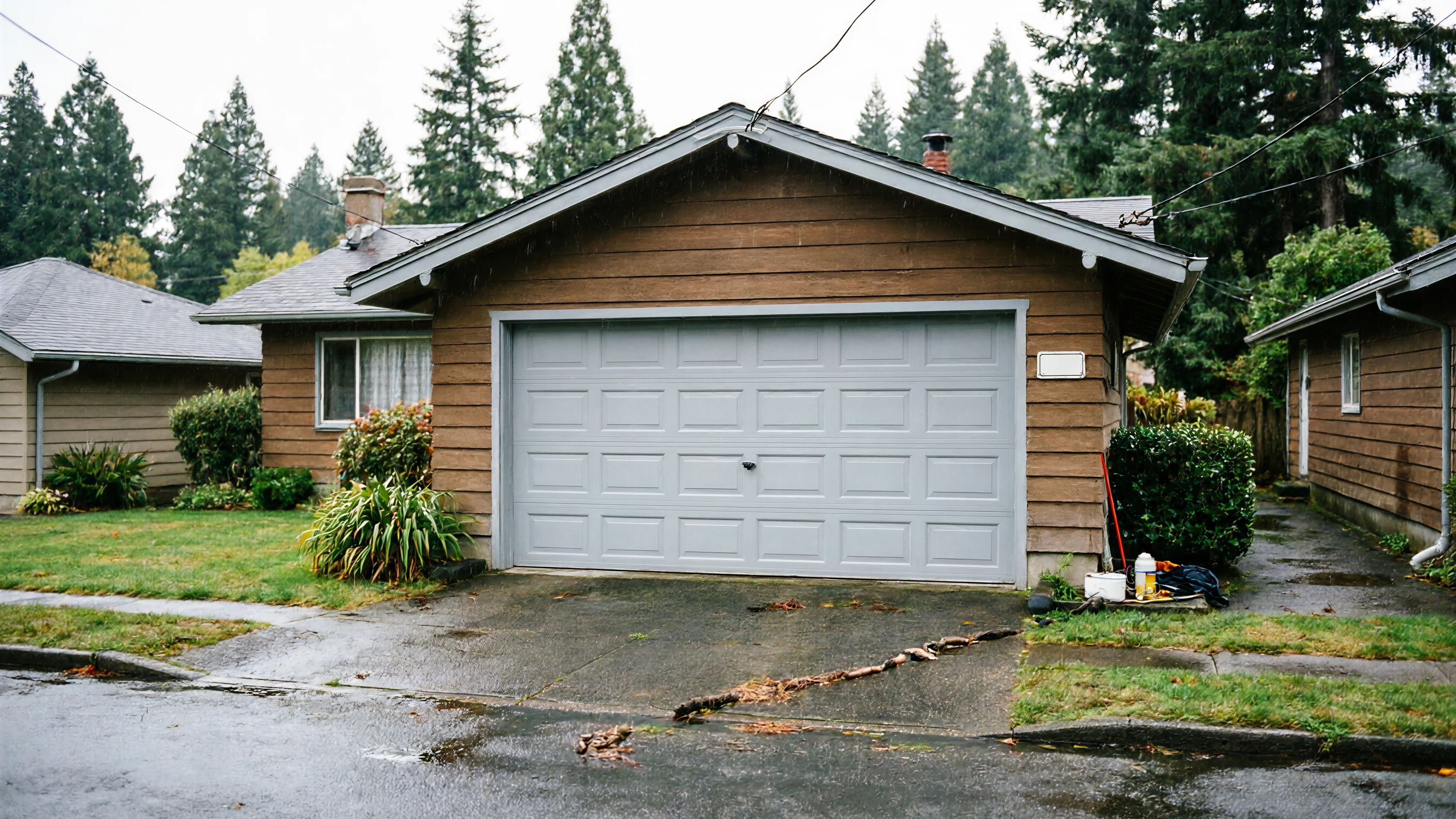
Because so much of the housing in this service area, across two dozen named neighborhoods, was built in that same 1960s-through-1970s wave, a lot of garages share the same vintage of door and the same thirty-to-sixty-year exposure to Pacific Northwest damp. That's a different failure pattern than a newer subdivision would show, where panels are more likely dented than rotted.
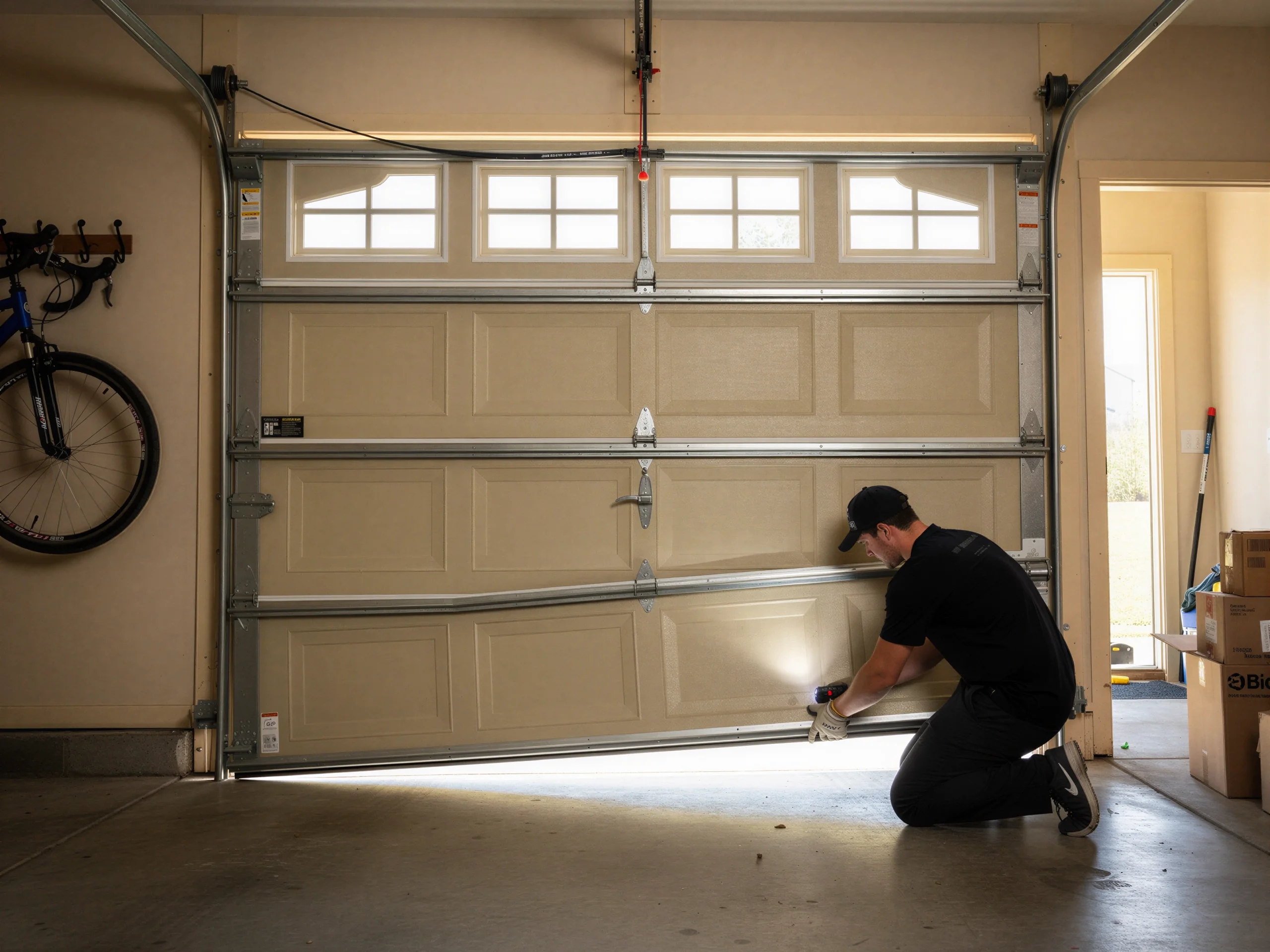
The practical result: if your door dates to that era and shows a soft panel near the bottom, it's not an isolated accident, it's the construction era catching up with the climate. We'll tell you when a panel swap buys you a few more years and when the rest of the door is close enough behind it that doing one now and the other next year doesn't make sense.