Happy Valley, ORSame-day service/Free estimates/Licensed & insured(503) 389-4712
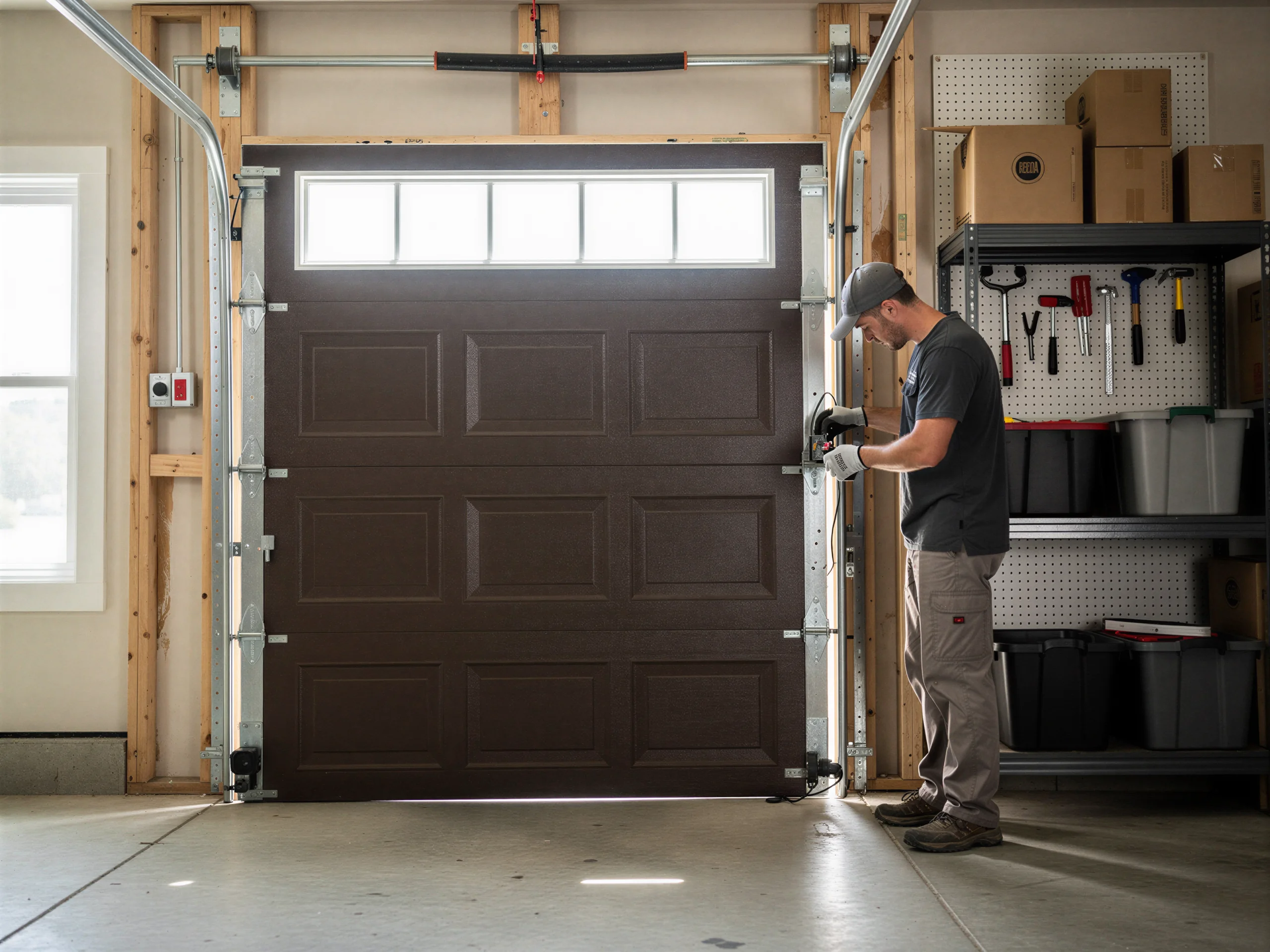
A technician works on a brown garage door with windows in a garage.

Happy Valley, OR

Garage Door Installation Built for Happy Valley's 1960s-2000s Housing

Happy Valley homes mostly date from 1964 to 2003. We install doors sized for that era's openings and built for mild-with-freeze winters, not generic big-box stock.

Serving Happy Valley, ORBackground-checked techsHonest, upfront pricingFast local response
Median 1978
Framing we install into
44,493
Owner-occupied area homes
7 & 16 ft
Rough-ins most built to
Squared first
Jamb shimmed before install

The repair

What the Fix Involves

Installing a new garage door here isn't a drop-in job most of the time. Most houses in Happy Valley went up between 1964 and 2003, with the typical build year sitting around 1978, and a lot of that stock still has the original rough-in opening, jamb, and header the builder framed decades ago.

  1. Measuring before ordering

    Before we order a door we measure the opening, check the header for sag, and look at what the track and spring system were doing before we pulled them. If the opening is out of square - common on a house this age that's settled for forty-plus years - we shim and square the jamb before the new door goes in, not after.

  2. Spring sized to real weight

    We set new track, new rollers, and a spring system sized to the actual door weight, not a generic chart number. On a double door we balance the torsion spring to the panel material you picked, whether that's steel, insulated steel, or a heavier wood-look composite.

  3. Full cycle and reverse test

    Once it's hung we run it through a full cycle count, check the opener's force settings against the new door weight, and test the auto-reverse. A new door on bad hardware just means a nicer-looking failure in a year, so the hardware gets replaced to match, not reused because it still turns.

Warning signs

What You Are Seeing

If you're shopping for a new door instead of another repair, you've probably already lived with the signs: a door that's heavier to lift than it used to be, a panel that's dented or rusted through at the bottom, or an opener straining on every cycle because the springs gave up years ago and nobody replaced them to match.

Never-upgraded single-layer steel

On the 1960s-70s side of the local stock, we also see doors that were simply never upgraded - single-layer steel with no insulation, running on hardware sized for a lighter door that doesn't exist anymore because the owner swapped panels once already.

Energy and noise expectations

Houses built closer to the 1990s-2000s end of that 1964-2003 range sometimes have doors that are structurally fine but don't meet current energy or noise expectations, especially on a garage that shares a wall with living space.

Hidden cost of old doors

Either way, the tell is usually the same: the door works, but it costs you something every time it runs - noise, strain on the opener, or a draft you can feel standing in the garage.

On the truck

Parts We Carry

We stock standard single and double door sizes that match the openings common across Happy Valley's housing stock - 7-foot and 16-foot rough-ins are what most of this area was built to, and we carry panels, track, torsion springs, and rollers sized for that.

Custom widths on special order

We don't keep every custom width on the truck. Split-level and daylight-basement garages from the 1970s sometimes have non-standard openings, and those doors go on special order rather than same-day install - worth knowing before you set a timeline.

Right-rated insulation for climate

For climate, we carry doors rated for a mild band with occasional freeze nights rather than the extreme-cold spec some manufacturers push; you don't need double-wall foam rated for sustained sub-zero here, and paying for it is money that doesn't buy you anything this winter actually asks for.

One-order full install kit

We also carry opener-compatible bottom brackets and weatherstrip kits sized to the same door widths, so the full install - door, hardware, and seal - comes from one order instead of three.

Local causes

Why This Fails Locally

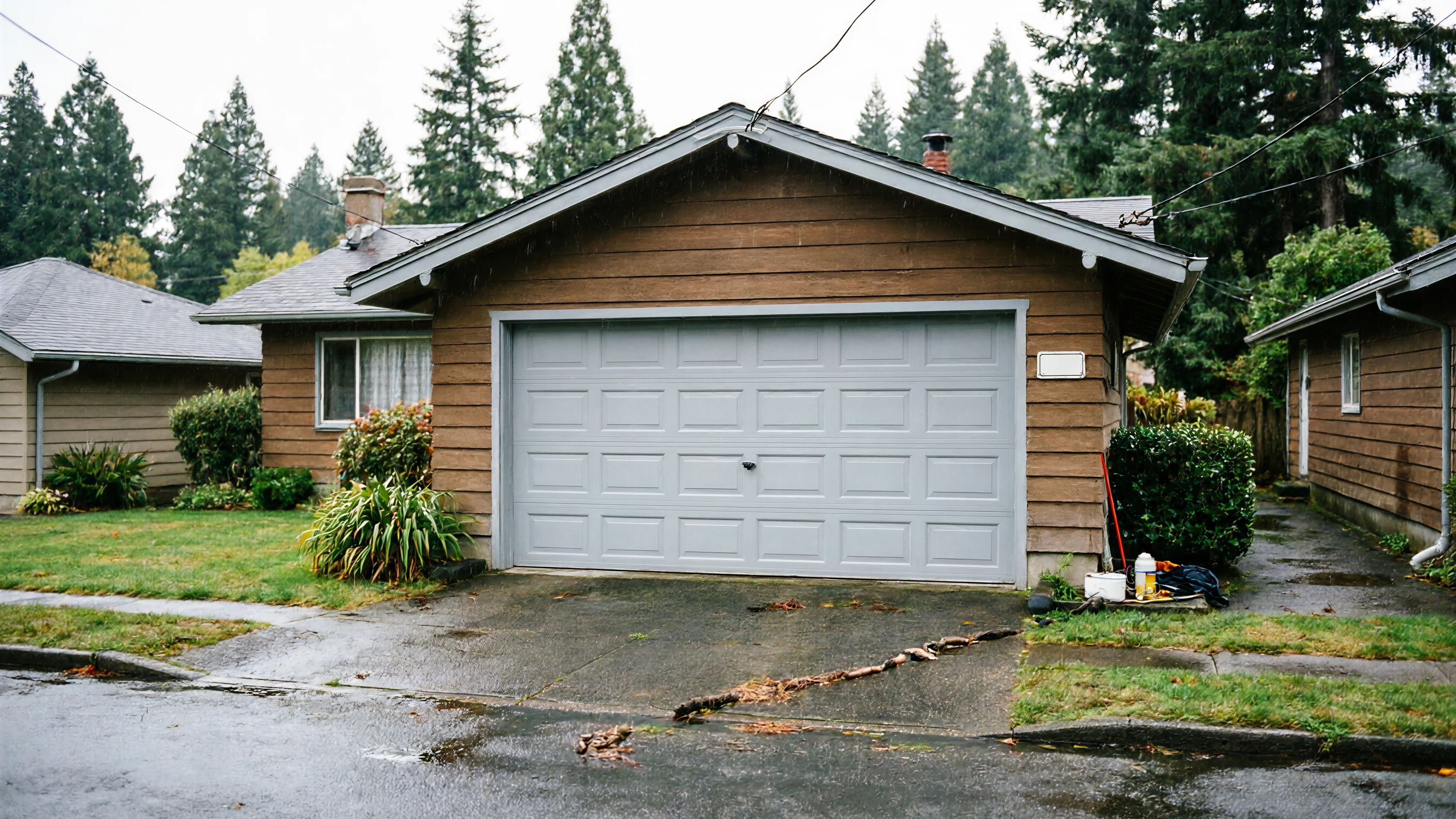
The pattern we see across this stretch of Clackamas County - Happy Valley, Damascus three miles off, Oatfield at four, Gladstone at five - comes straight from when these neighborhoods were built. A house framed in 1978, the median year for this area, got a door sized and hung to the standards of that decade: lighter gauge steel, simpler spring systems, openings cut to the rough dimensions builders used then. That hardware was never built to run forty-plus years, and the climate here doesn't help it along - mild most of the year, but with enough freeze nights to make old steel brittle and crack at the bottom panel seam where moisture sits. With 44,493 owner-occupied houses out of 87,301 households across the service area, a lot of these doors are still the first one the house ever had. The failure mode is almost always the same: the opening hasn't moved, the house hasn't changed, but the door and hardware simply aged out of a job they were only ever built to do for twenty or thirty years.
A light gray garage door is on a brown house with a wet driveway.

Questions

Common questions

How do I know if I need a new door or just a repair in Happy Valley?

If the panel is dented, rusted through, or the door is noticeably heavier to lift than it used to be, that's usually the door itself failing, not just the opener or springs. On houses built in the 1960s-70s range common here, once the original steel starts going, a repair just delays the same failure. We'll tell you straight if a repair makes more sense than a full install.

Will a new door fit my original 1970s opening?

Most of the time, yes - standard 7-foot and 16-foot openings are what most Happy Valley houses were built to, and that's what we stock. Split-level and daylight-basement garages sometimes have non-standard rough-ins from that era, which means a special-order width instead of a same-day swap.

Do I need a heavy-duty cold-climate door here?

No. Happy Valley sits in a mild band with occasional freeze nights, not sustained hard winters. We install doors rated for that actual climate instead of the extreme-cold spec, which saves you money without leaving the door under-built for what winter here actually does.

Explore more

Explore More Services In Happy Valley, OR

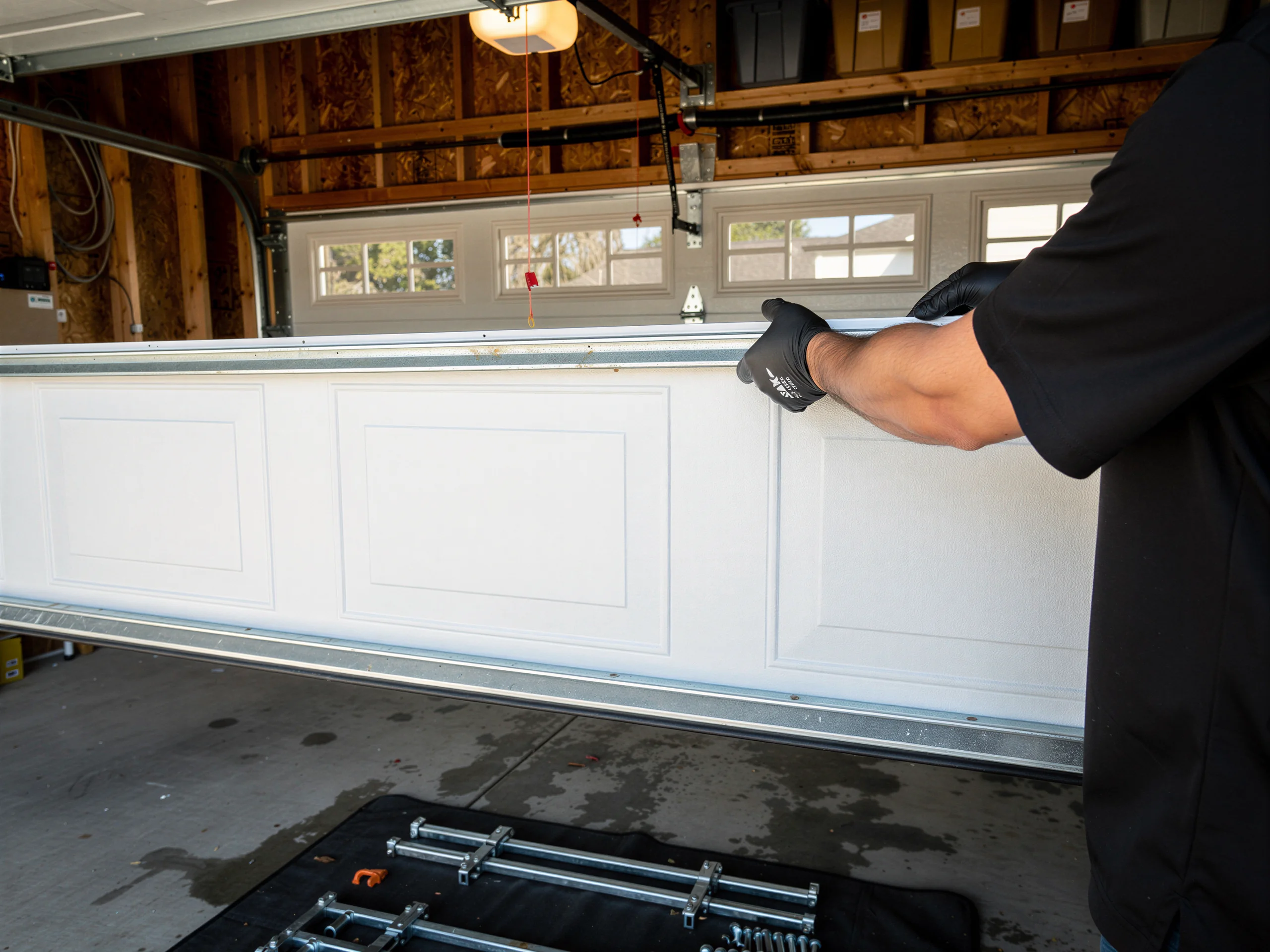
A technician in black gloves installs a white garage door panel.

Garage Door Panel Replacement for Happy Valley Homes

Dented or cracked garage door panel in Happy Valley? Learn more →
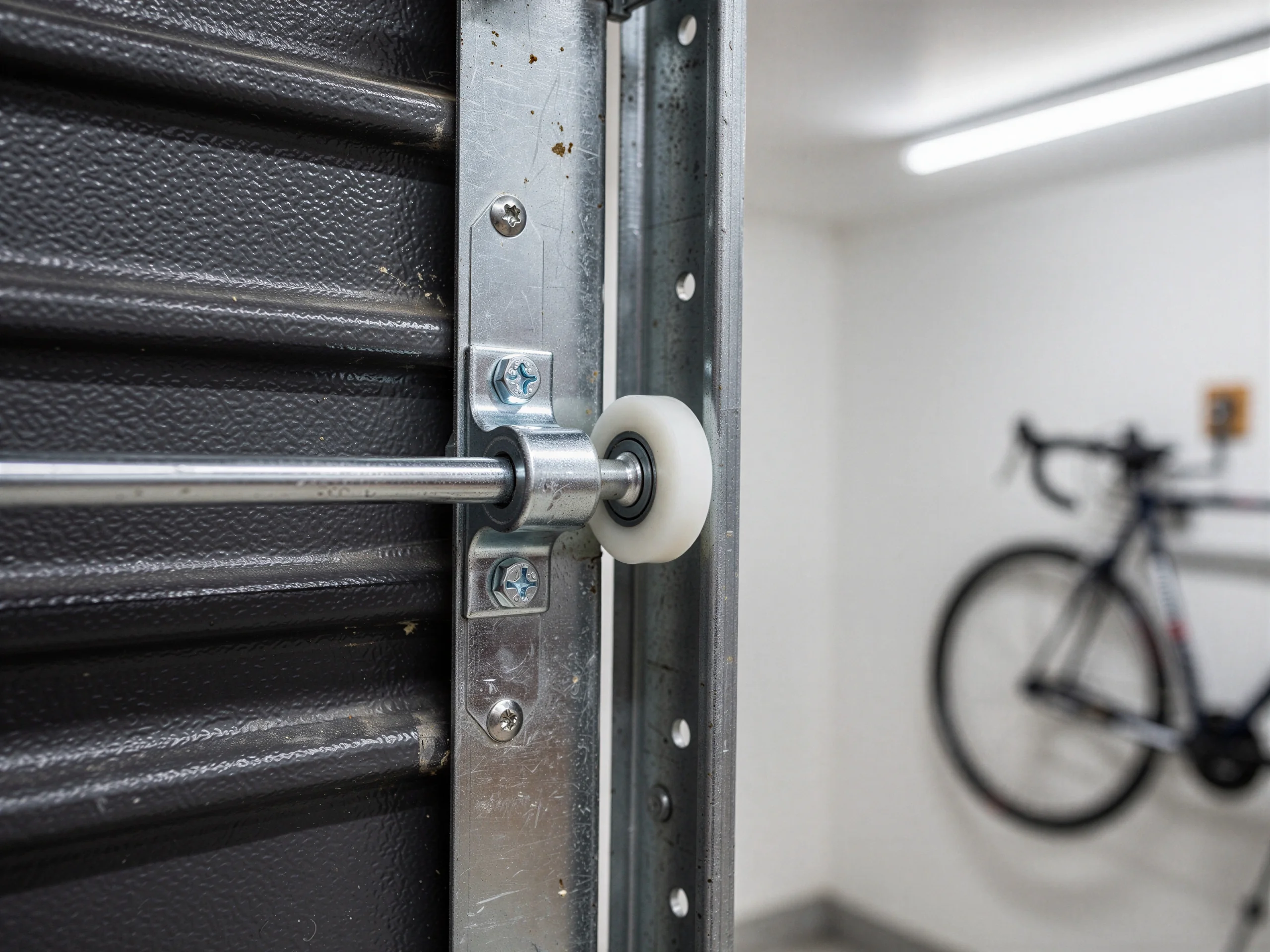
A garage door roller is visible on a metal track, with a bicycle in the background.

Garage Door Roller Replacement

Worn rollers on 1960s-2000s Happy Valley area doors cause grinding, binding, and track wear. Learn more →
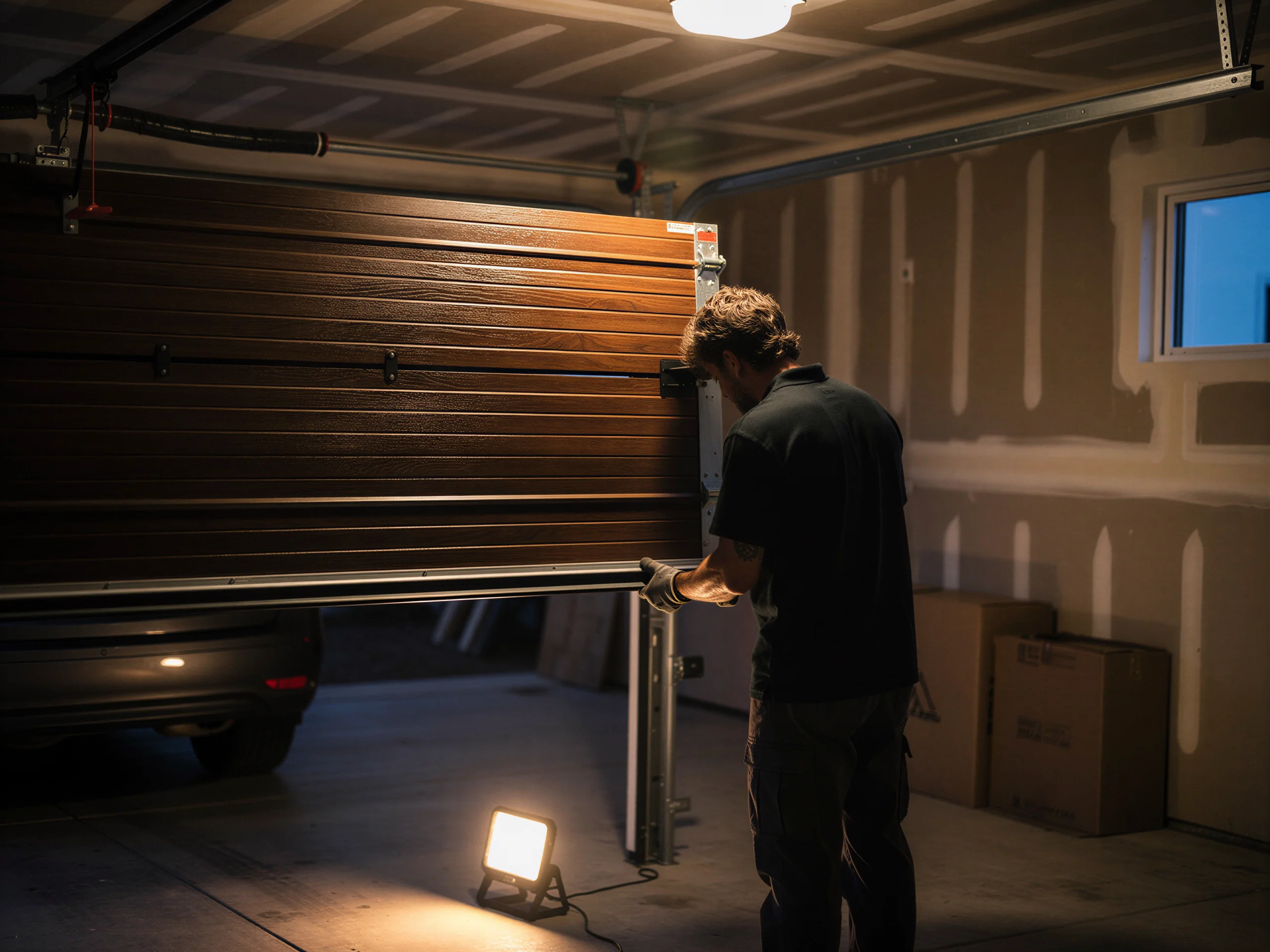
A technician works on a brown garage door in a garage with a car.

Emergency Garage Door Repair Around Happy Valley

Broken spring, stuck door, dead opener? Learn more →
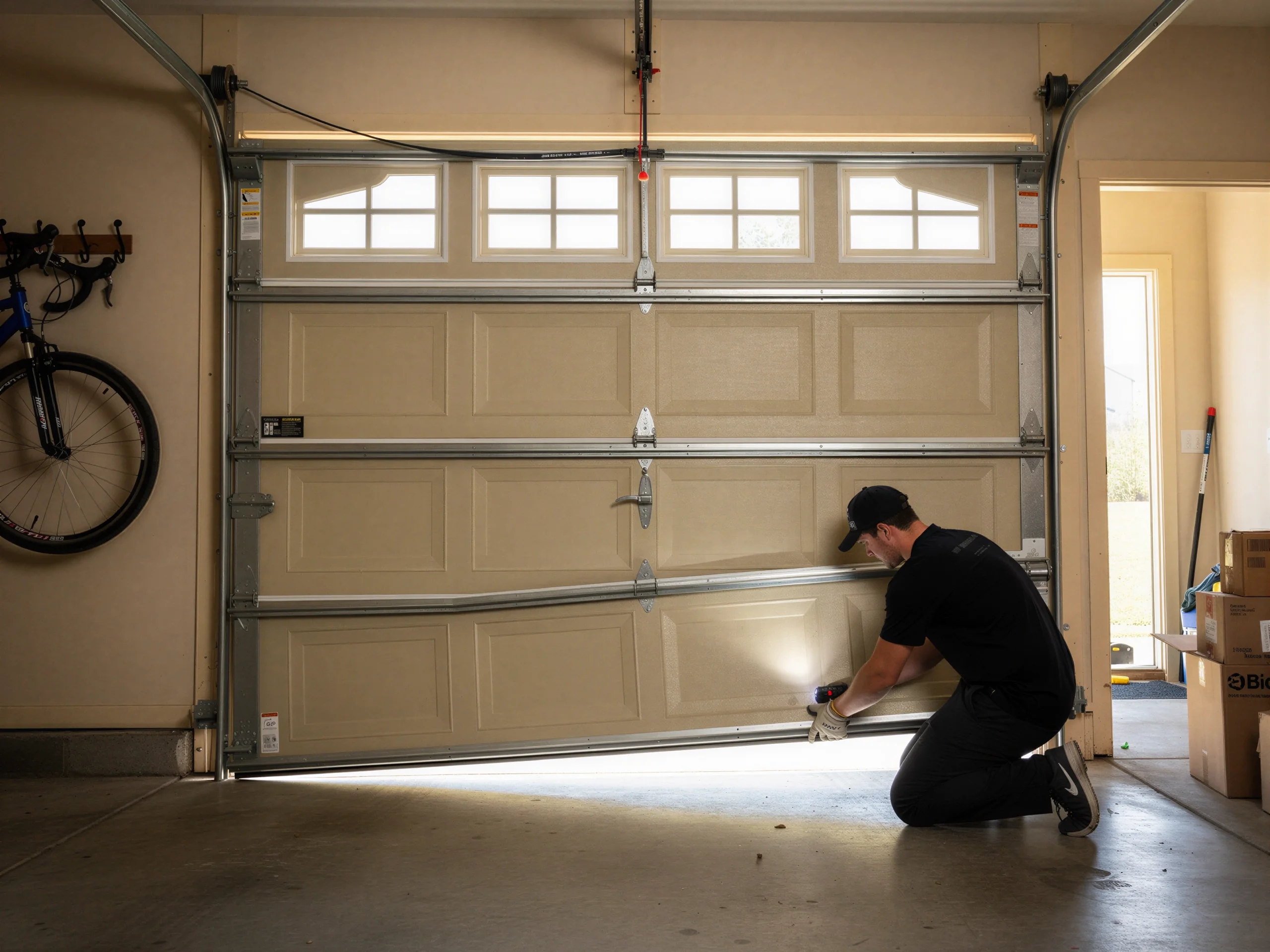
A technician kneels, inspecting a damaged beige garage door with a flashlight.

Garage Door Repair for Happy Valley Homes

Garage door repair for Happy Valley, OR homes built 1964-2003. Learn more →
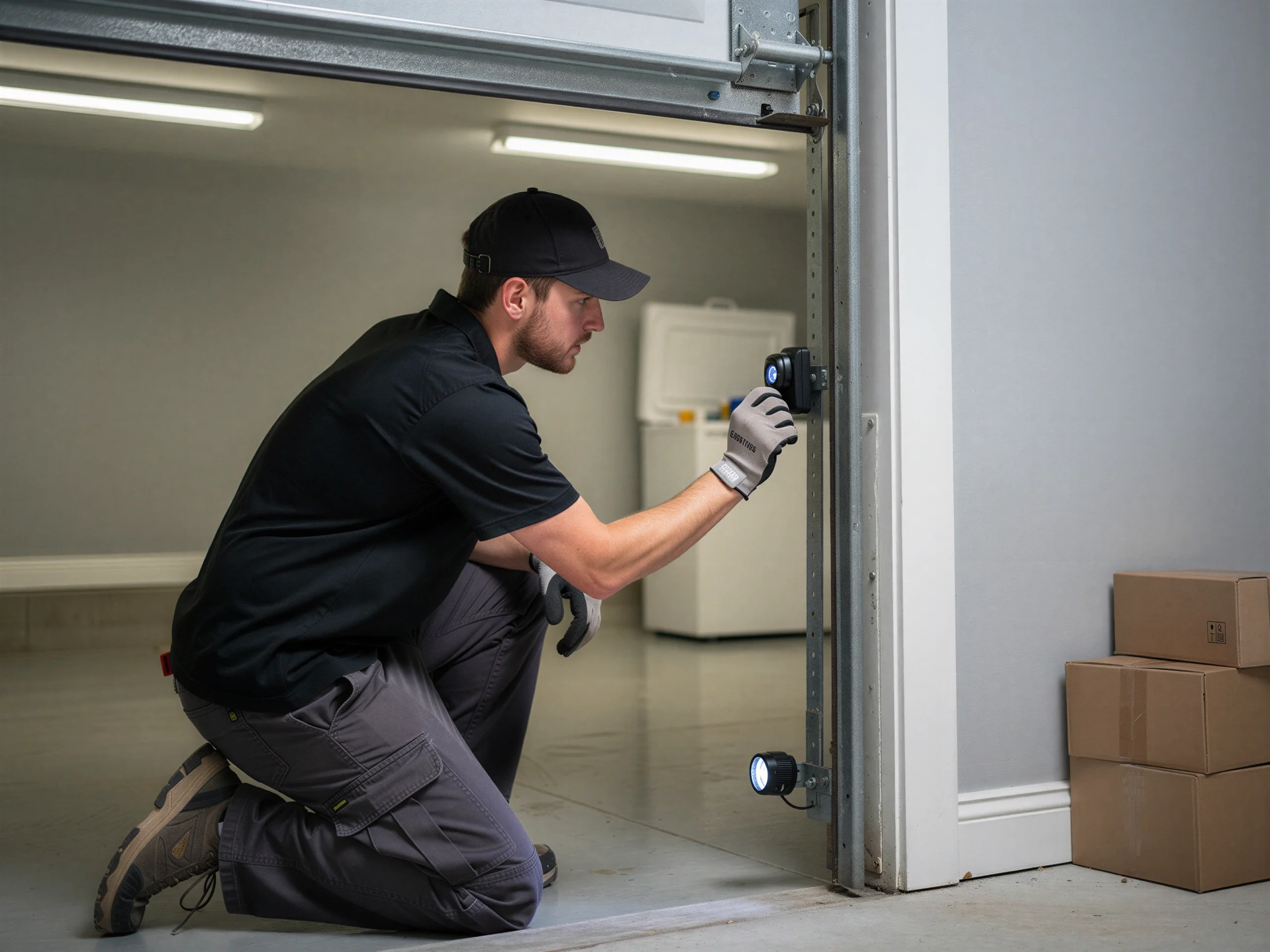
A technician kneels, inspecting the garage door safety sensors with a flashlight.

Garage Door Service for Happy Valley Homes

Garage door repair and tune-up service built for Happy Valley's 1960s-90s housing stock and mild, occasionally freezing climate. Learn more →
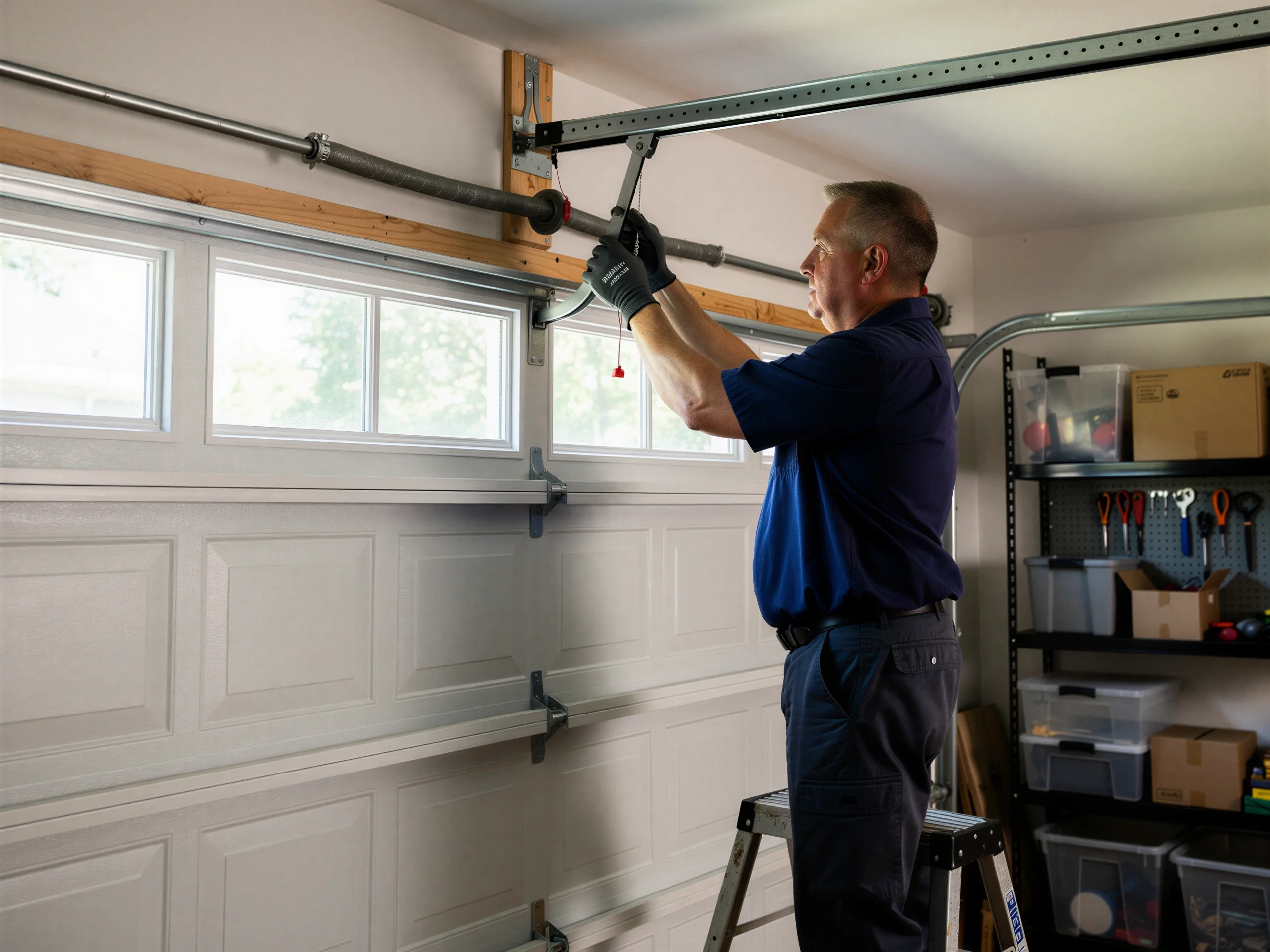
A technician on a ladder adjusts the torsion spring above a white garage door.

Opener Installation for Happy Valley Homes

Opener installation built around Happy Valley's 1964-2003 housing stock and mild, occasional-freeze climate. Learn more →

Ready when you are

Ready for a new garage door in Happy Valley?

Happy Valley Garage Door Pros repairs and installs garage doors, springs and openers in Happy Valley, OR and the surrounding area.

Call Now(503) 389-4712