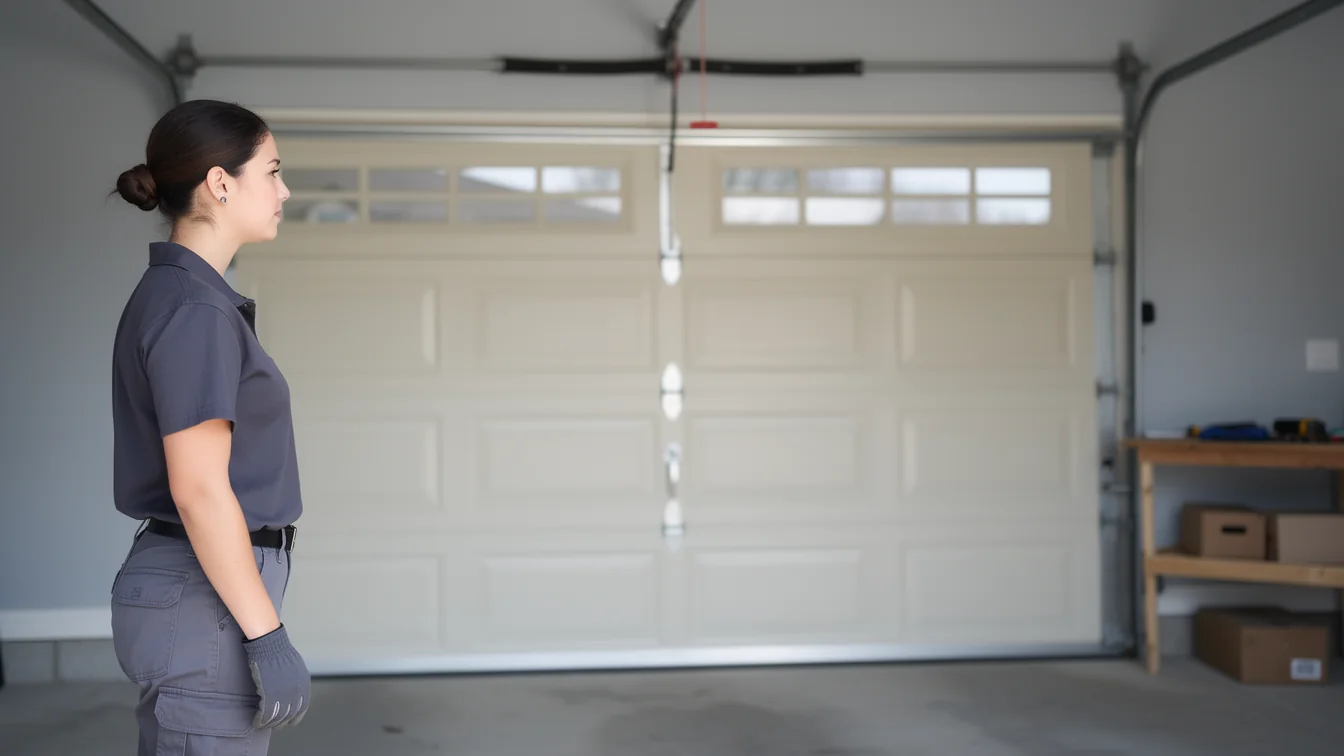
What Actually Happens When We Come Out to Your Happy Valley Garage
Happy Valley homes built between 1964 and 2003 need specific checks - springs, tracks, openers - before a service call starts. Here's what's actually covered.
Local detail
What to Look At First
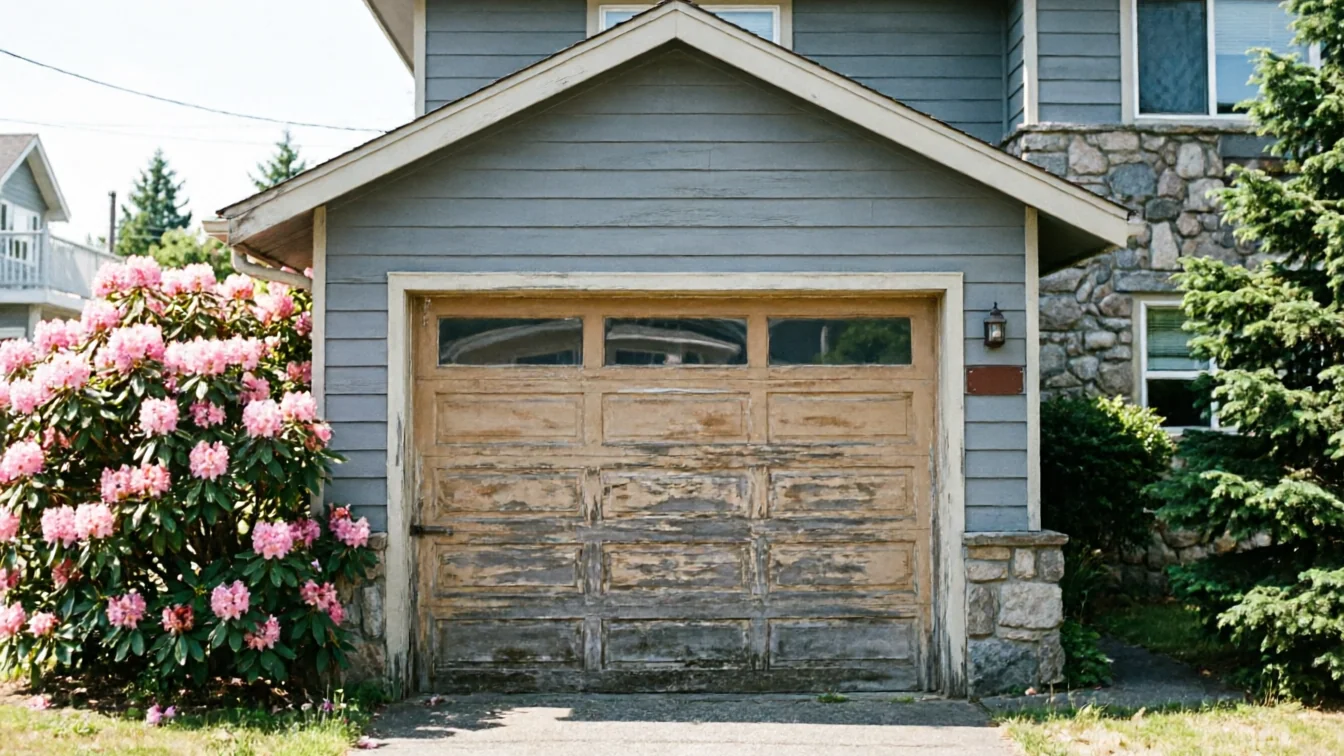
Most houses in Happy Valley went up between 1964 and 2003, with the median build year sitting around 1978. That three-decade span means you're looking at three distinct generations of garage door hardware on the same street: late-70s extension-spring doors with no safety cable, 1980s torsion conversions that were never updated to current code, and newer insulated steel doors from the later part of that build-out. Before any call, we ask the build year, because it tells us which spring type, which bracket style, and whether the door has a safety cable at all. A house from 1978 almost never has the same setup as one from 1998, even two doors apart.
The region's broader housing stock - the mix of 1960s and 70s construction that extends out through Damascus, Oatfield, and Gladstone - means a lot of original hardware is still in service nearby. If your opener still has a chain drive and a screw-in light bulb, that's consistent with a door that hasn't been touched since it was installed. Knowing the decade narrows the diagnosis before a tech even opens the panel.
The area
How Local Conditions Play In
Happy Valley sits in a mild climate band with occasional freeze - not the deep-freeze swings that crack springs outright, but enough cold mornings each winter that steel contracts and lubricant thickens. Combined with the damp stretch most of the year, that's a slow wear pattern rather than a dramatic one: springs that lose tension gradually, rollers that rust at the axle before they seize, and weatherstripping that hardens and cracks at the bottom corners first.
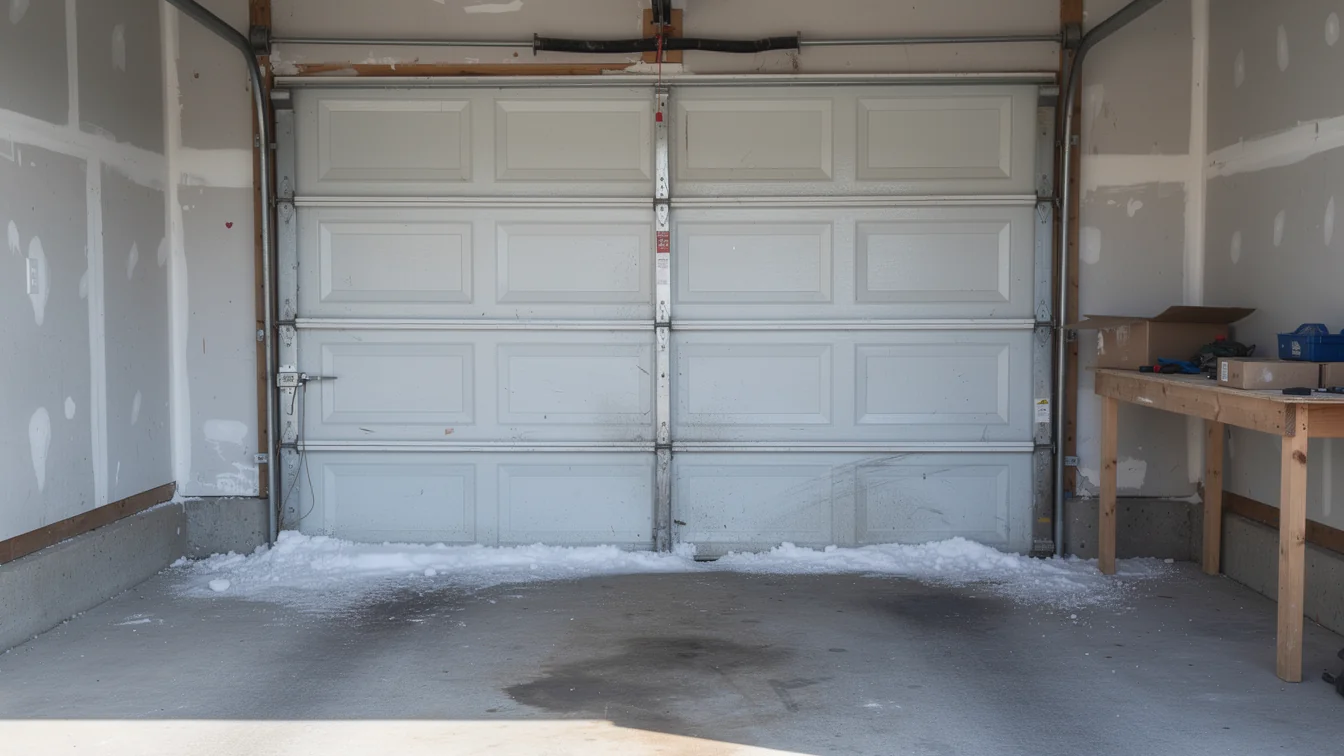
A service call out here checks different things than one in a hard-freeze climate. We're not looking for ice-jammed tracks. We're looking for moisture intrusion at the bottom seal, corrosion starting on cable ends and hinges, and springs that have lost a turn or two of tension from years of damp-cold cycling rather than one hard winter. On an older torsion system - the kind common in the 1960s-70s builds that make up most of this stock - that gradual tension loss is often the actual cause of a door that's started feeling heavy, long before anyone notices a visible problem.
What we find
What Most People Get Wrong
With median household income in Happy Valley at just over $103,000, a lot of owners default to replacing the whole door or opener rather than asking whether the original hardware can be adjusted. That's understandable - nobody wants to call three times for the same squeak - but on a lot of these 1960s-70s builds, the track is still good steel and the drum and shaft are still round. What's failed is tension or alignment, not the whole system.
The other mistake is treating a 1978-era door the same as a newer one when something breaks. An extension-spring door without a safety cable isn't just old-fashioned - it's a genuine hazard if a spring lets go, and it's not something we patch and send you on your way. If your door predates the safety-cable standard, that gets flagged and discussed before anything else, even if you called about a noisy roller.
How we work
The Situation
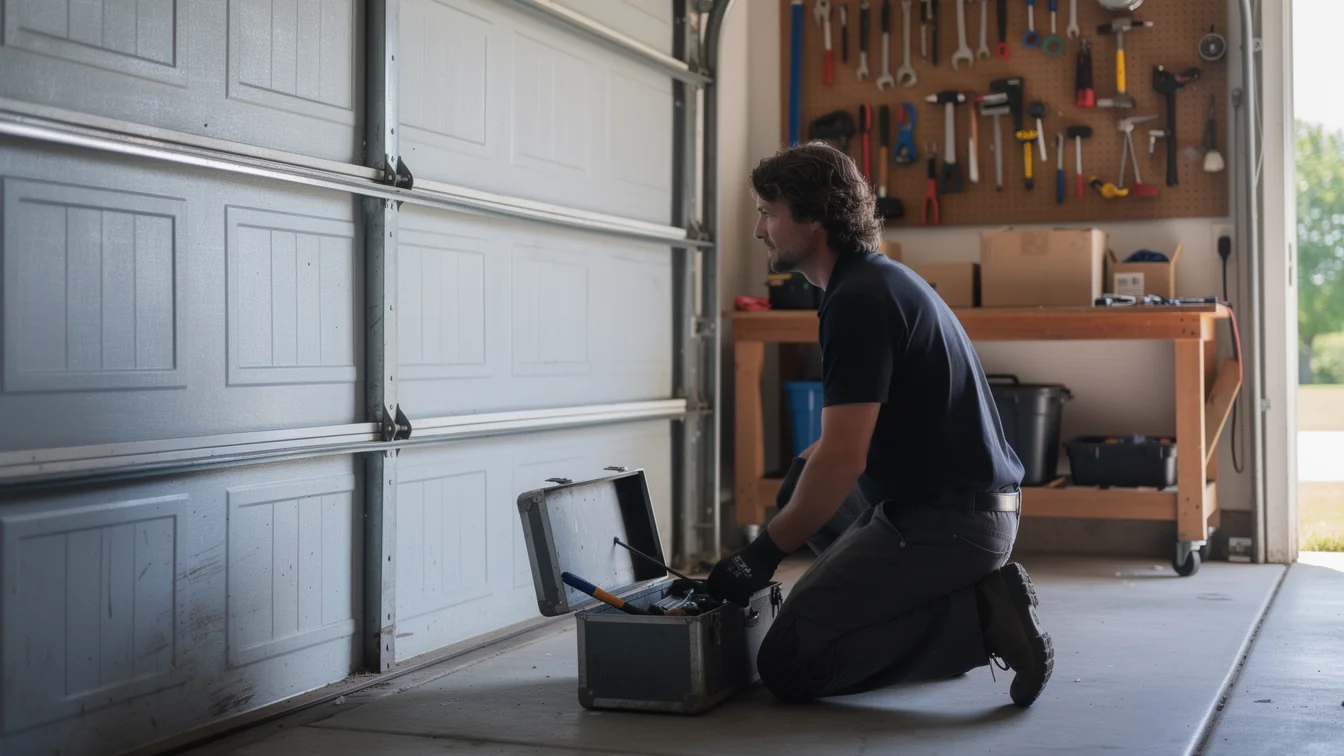
Here's what an actual service call covers: a walk of the full system - springs, cables, rollers, track alignment, hinges, bottom seal, opener force settings and safety reverse - plus a look at what decade the hardware is from, since that decade tells us what's worth repairing. We test the door's balance by hand, not just by running the opener, because a door that's out of balance will eventually overwork the opener motor, and that's a second repair waiting to happen.
The honest limitation: if your door is original to a 1964-era build with a torsion spring size or bracket pattern that's since been discontinued, we may not have that exact part on the truck. Those jobs sometimes mean a short order wait rather than a same-visit fix. We'd rather tell you that up front than install a close-enough substitute that throws the balance off again in six months.
Across the households we see in the Happy Valley service area - and there are over 44,000 owner-occupied houses in that broader service area - the pattern holds: the call that looks simple on the phone usually traces back to the age of the door, not a single broken part.
Questions
Common questions
How do you know what's wrong before you even see the door?
We ask the build year first. Since most houses here went up between 1964 and 2003 with a median around 1978, the decade alone tells us the likely spring type, bracket style, and whether a safety cable is even present. It narrows the diagnosis before anyone opens the panel.
Does the winter cold around here actually affect my garage door?
Happy Valley sits in a mild climate with only occasional freeze, so it's not the hard-freeze damage you'd see elsewhere. What we see instead is slower wear: lubricant thickening on cold mornings, moisture corroding cable ends and hinges, and weatherstripping hardening at the corners over several damp seasons.
Why would you tell me to replace a part instead of just fixing it?
If your door predates the safety-cable standard - common on older extension-spring setups from the 1970s build era - a broken spring without that cable is a real hazard, not a cosmetic issue. We flag that before touching anything else, even if the original call was about a squeaky roller.
Recommendation
You Might Also Like
More garage door guides for Happy Valley homeowners.
In Happy Valley homes built mostly between 1964 and 2003, deciding whether to repair or replace a garage door depends on the hardware era and the mild, damp Pacific Northwest climate here.