Single springs on wide doors
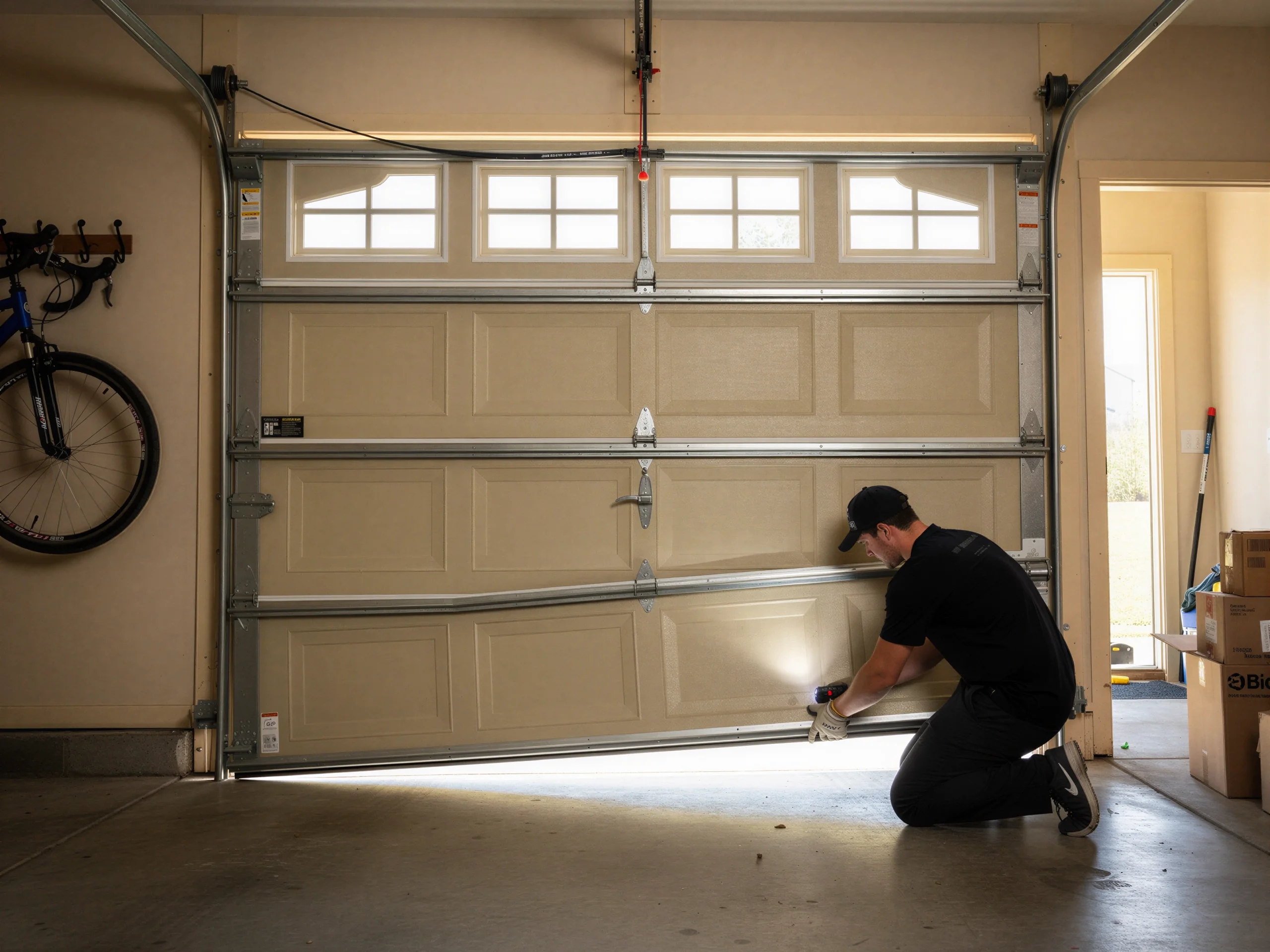
We see a lot of single-spring setups on double-wide doors from this build era, which is fine until the spring goes and the door drops fast with nothing backing it up.
Oatfield, Happy Valley OR
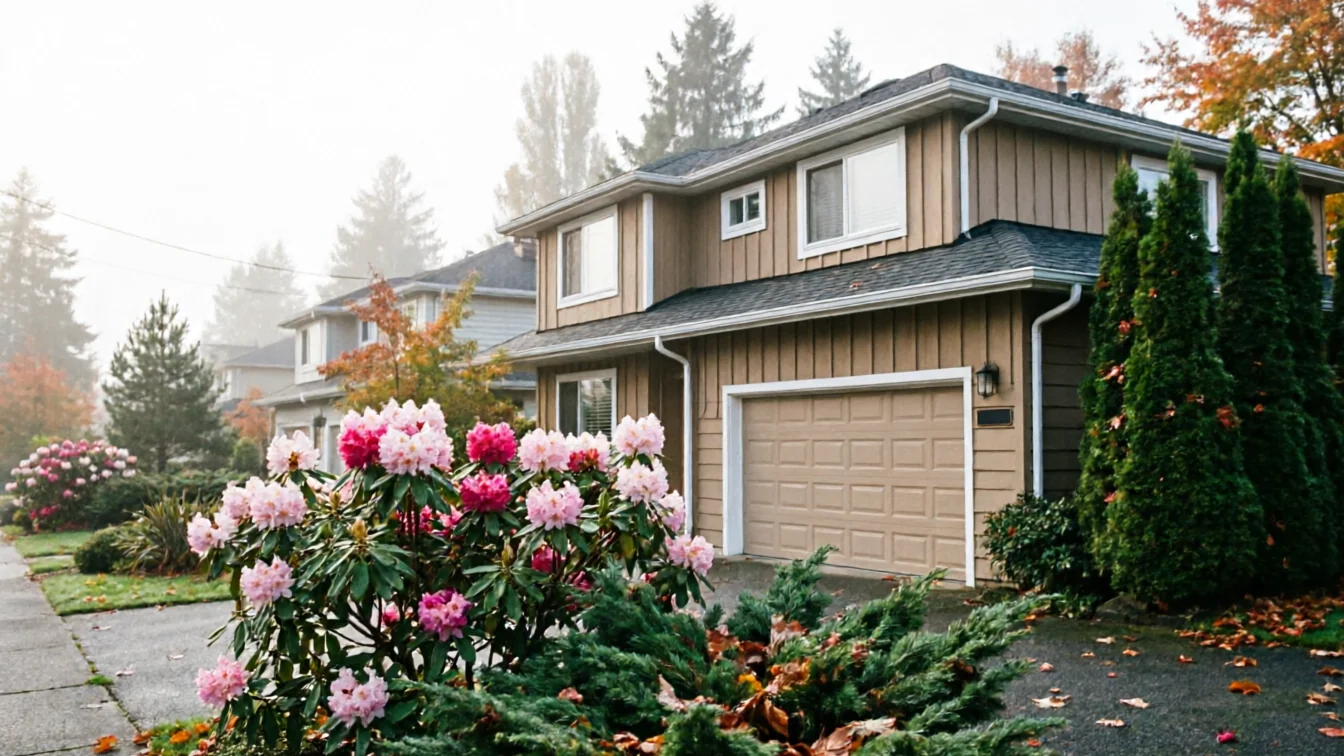
Oatfield homes mostly date to the mid-1970s, a few years newer than the broader area's 1960s-70s stock. That gap changes which springs, tracks, and openers actually fail.
What we do here
Local housing
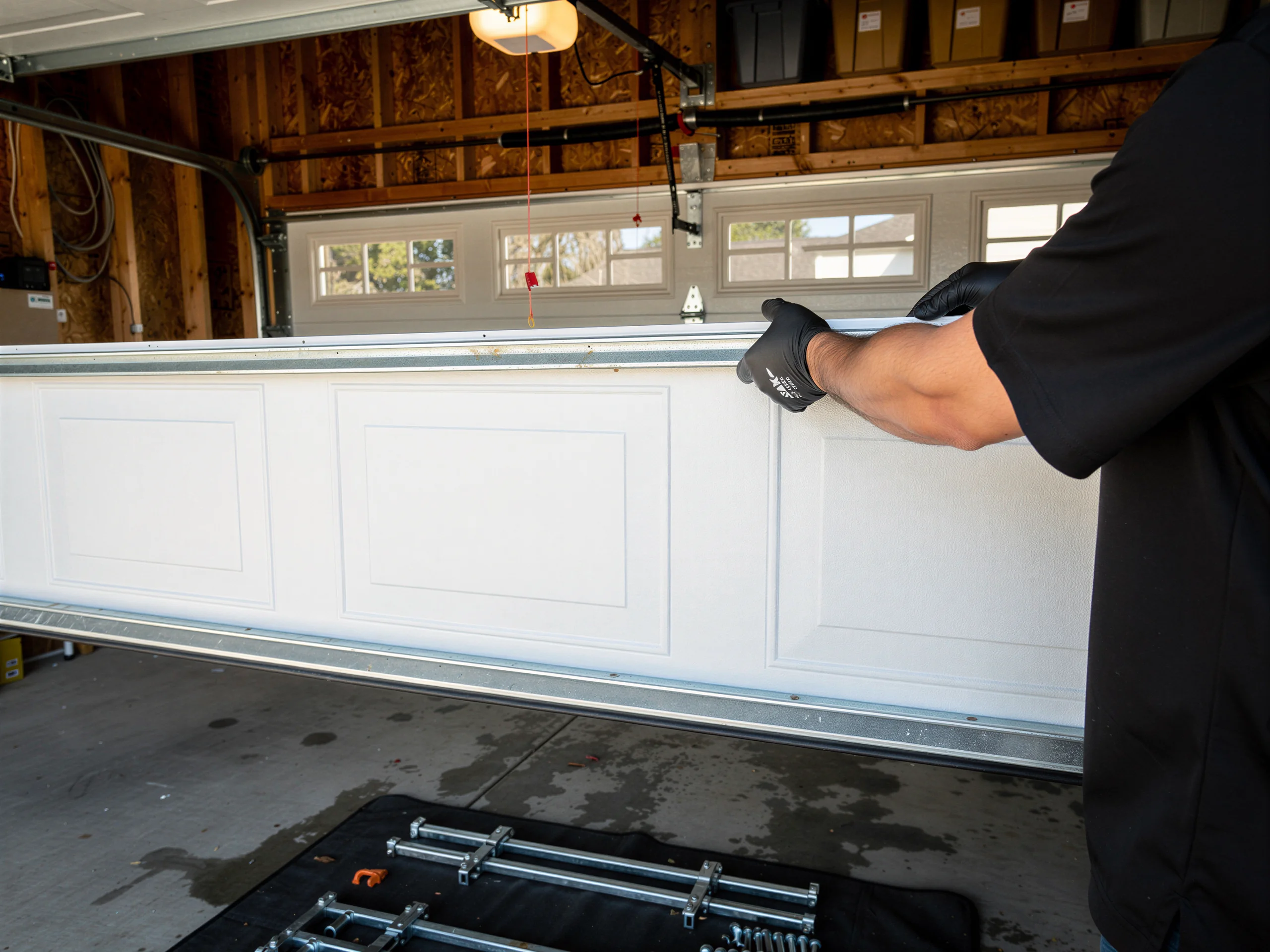
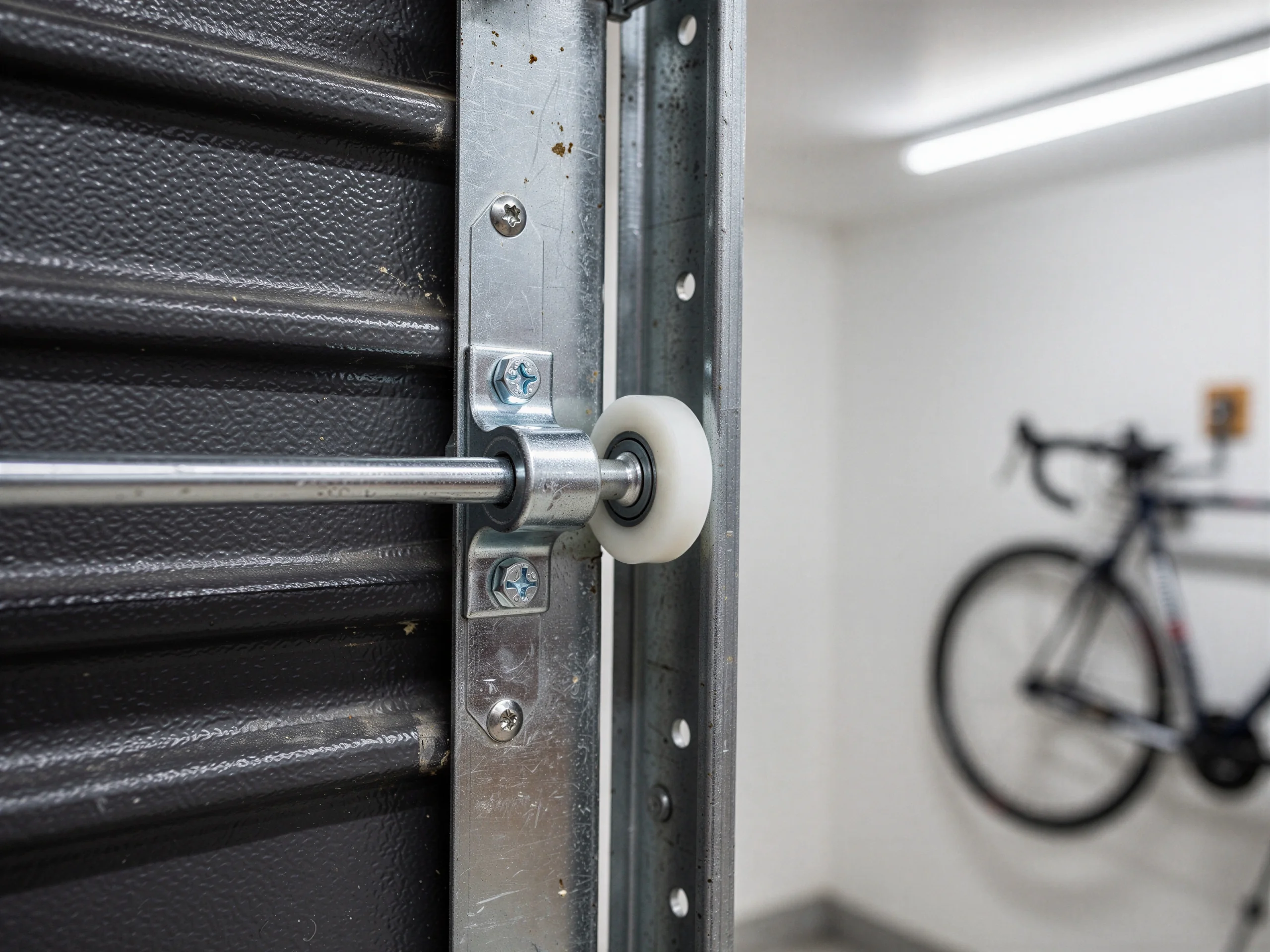
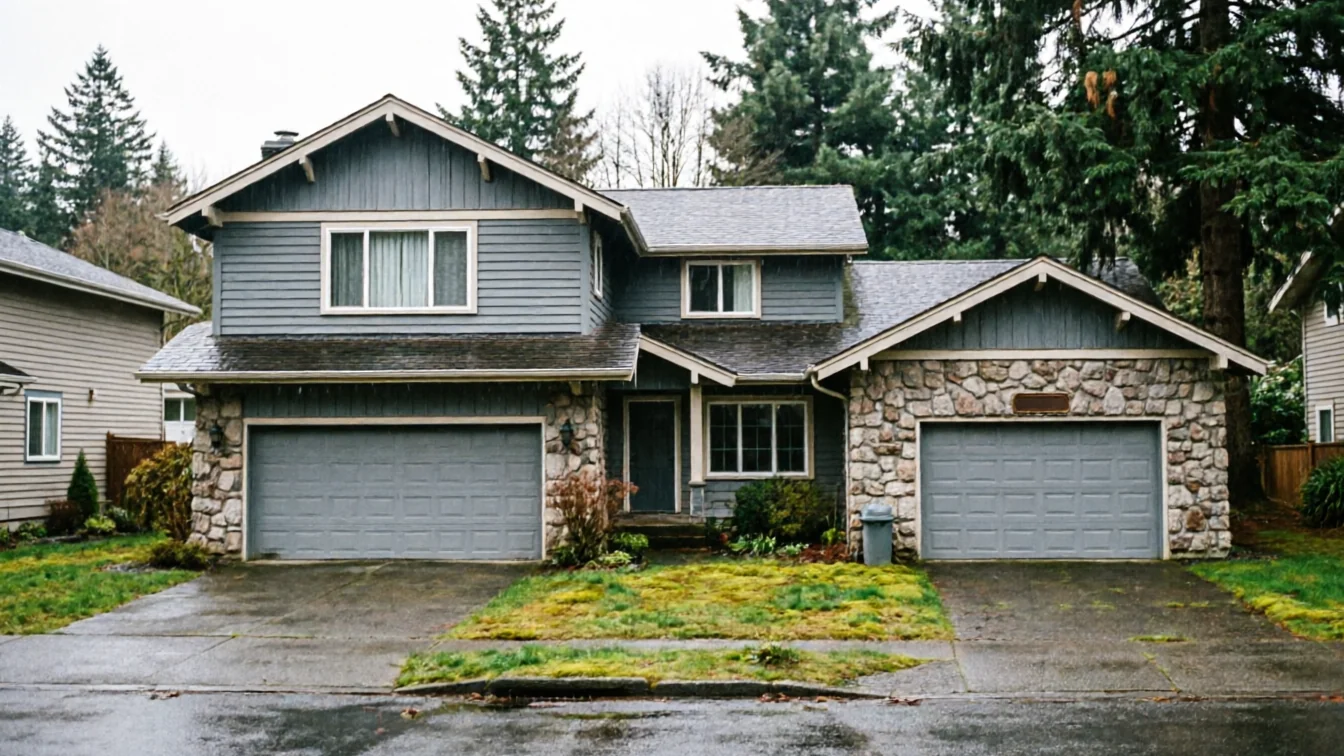
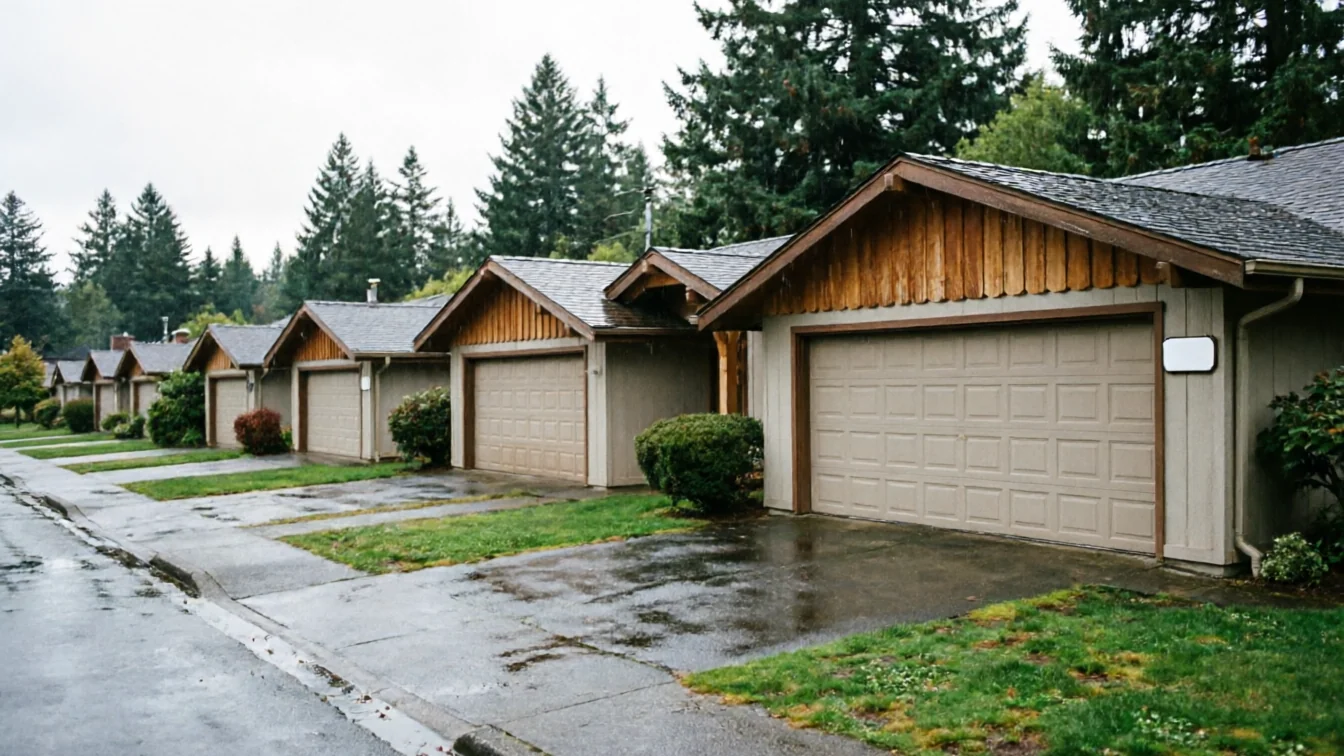
Oatfield's median home dates to 1976, which puts it a bit later than the 1964-2003 build range you'll find across the wider service area, where the median lands closer to 1978 and most of the stock across the 24 named areas is 1960s-70s construction. That handful of years matters more than it sounds like it should. A house framed in 1976 was likely built after the shift away from older one-piece doors and toward sectional doors on extension or early torsion springs, which means Oatfield has fewer of the oddball single-panel setups you still find in pockets built a decade earlier. What you get instead is a lot of first-generation torsion hardware and openers from whatever retrofit wave came through in the 80s and 90s, since the original openers from a 1976 build are long gone. We're not guessing at a specific subdivision here - we're working from the build-year number for this area, and it tells you what's hanging in the garage before we even get the truck here from Happy Valley.
Warning signs
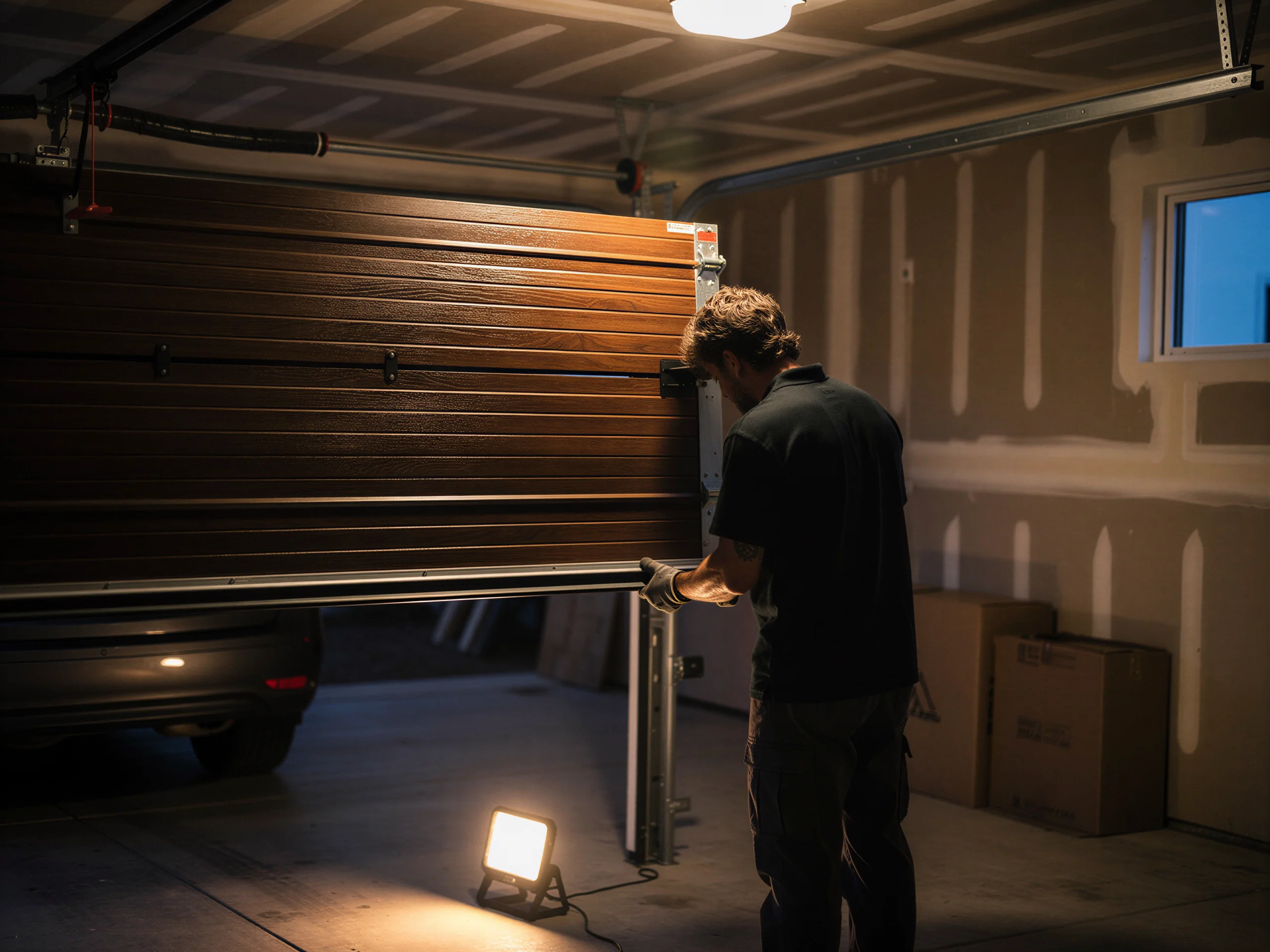
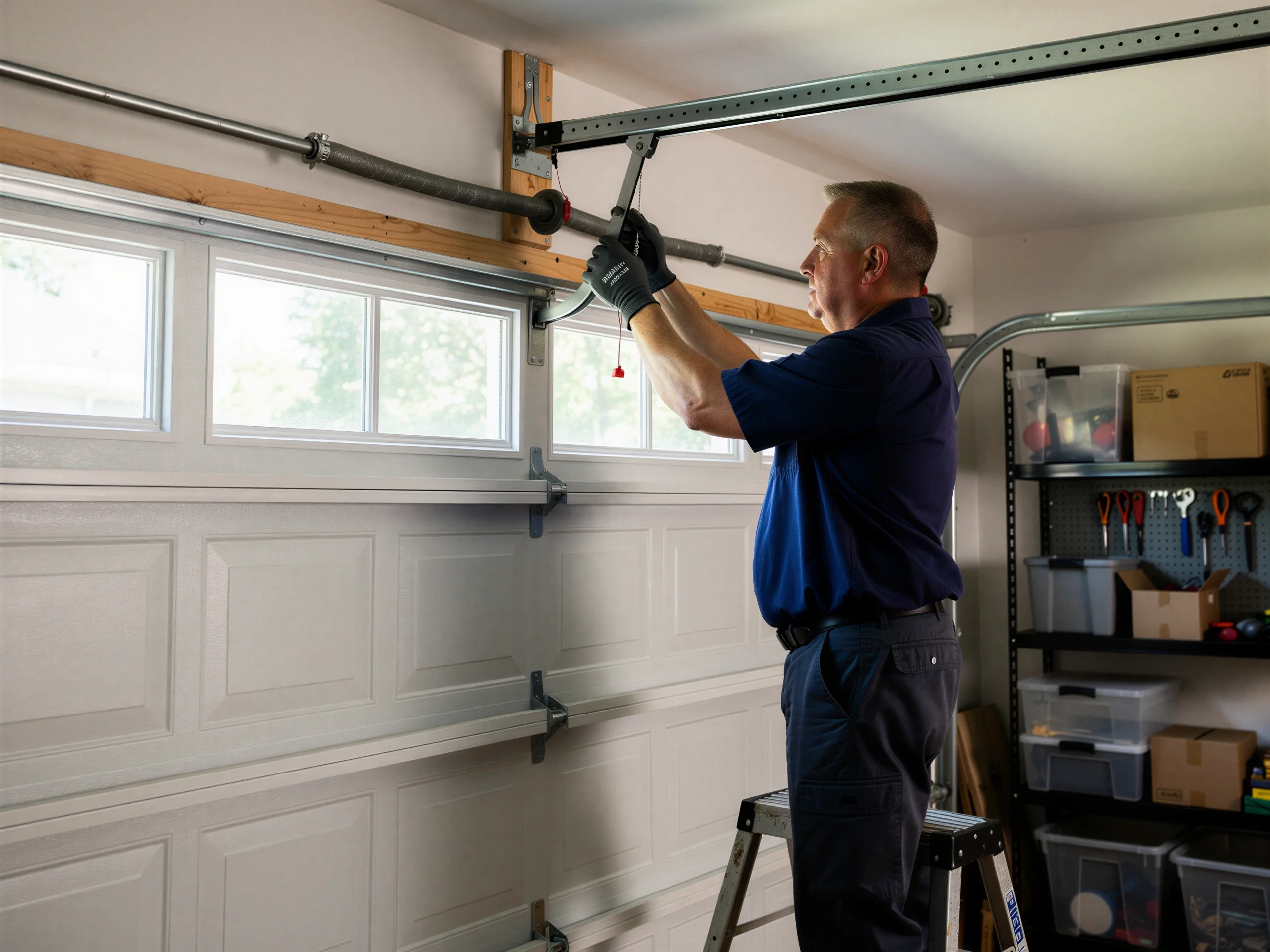
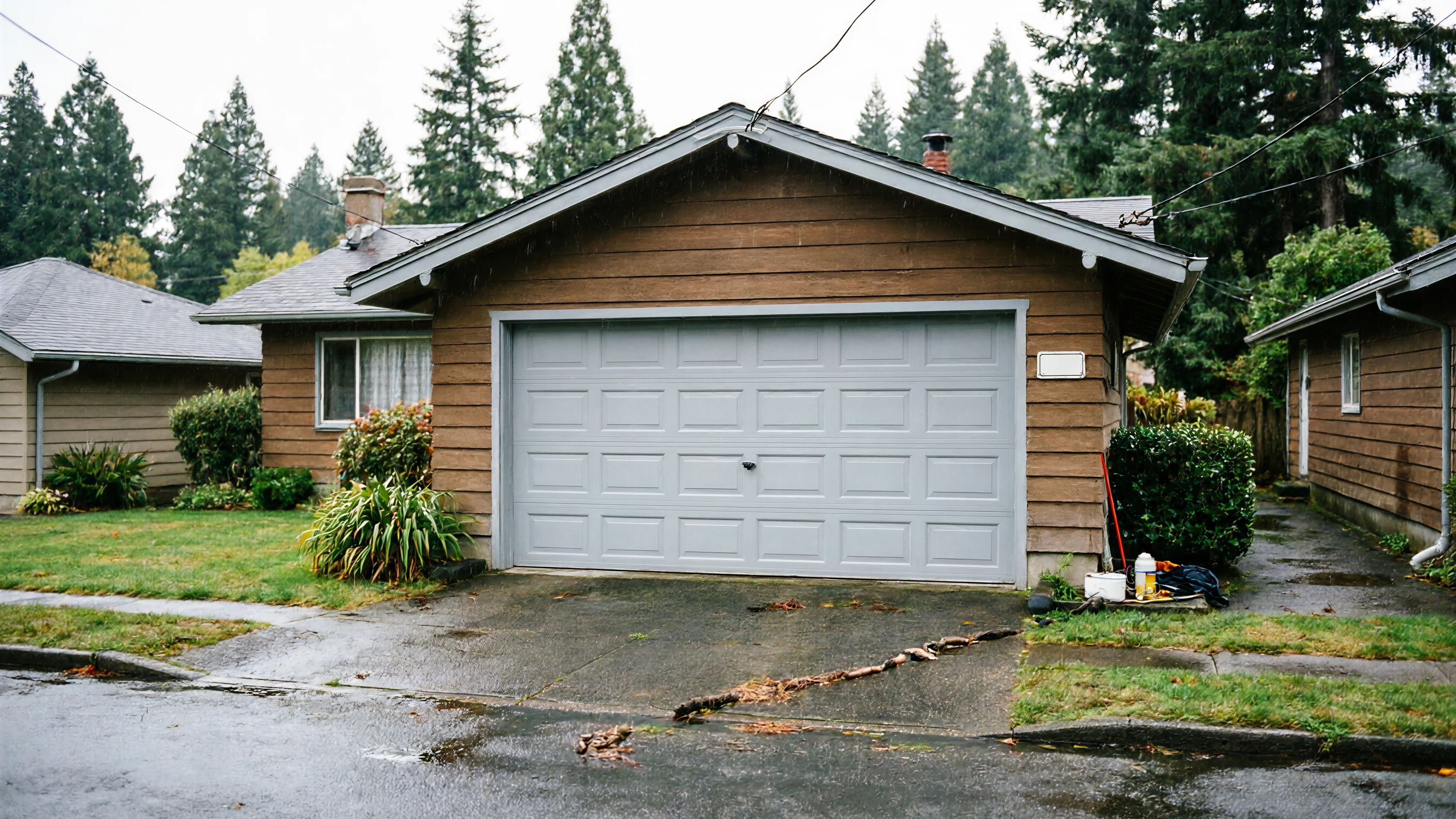
A 1976-era garage opening was usually framed for a 16-gauge steel sectional door, not the heavier insulated doors common in newer construction, and that lighter panel weight means the torsion spring sized for it is also lighter - which is exactly the spring that fails first after forty-plus years of cycling.
We see a lot of single-spring setups on double-wide doors from this build era, which is fine until the spring goes and the door drops fast with nothing backing it up.
Tracks from this period are usually still steel, not the aluminum rail you'd find on a newer install, so bent track from a car bump tends to be a straighten-and-realign job rather than a swap.
Openers are the real wildcard: a house built in 1976 did not come with the chain-drive unit currently in it, so whatever's up there is a replacement of unknown age, and that's often where the actual service call starts - not the door at all, but a tired motor or a logic board that's stopped talking to the wall button.
Old vs new homes
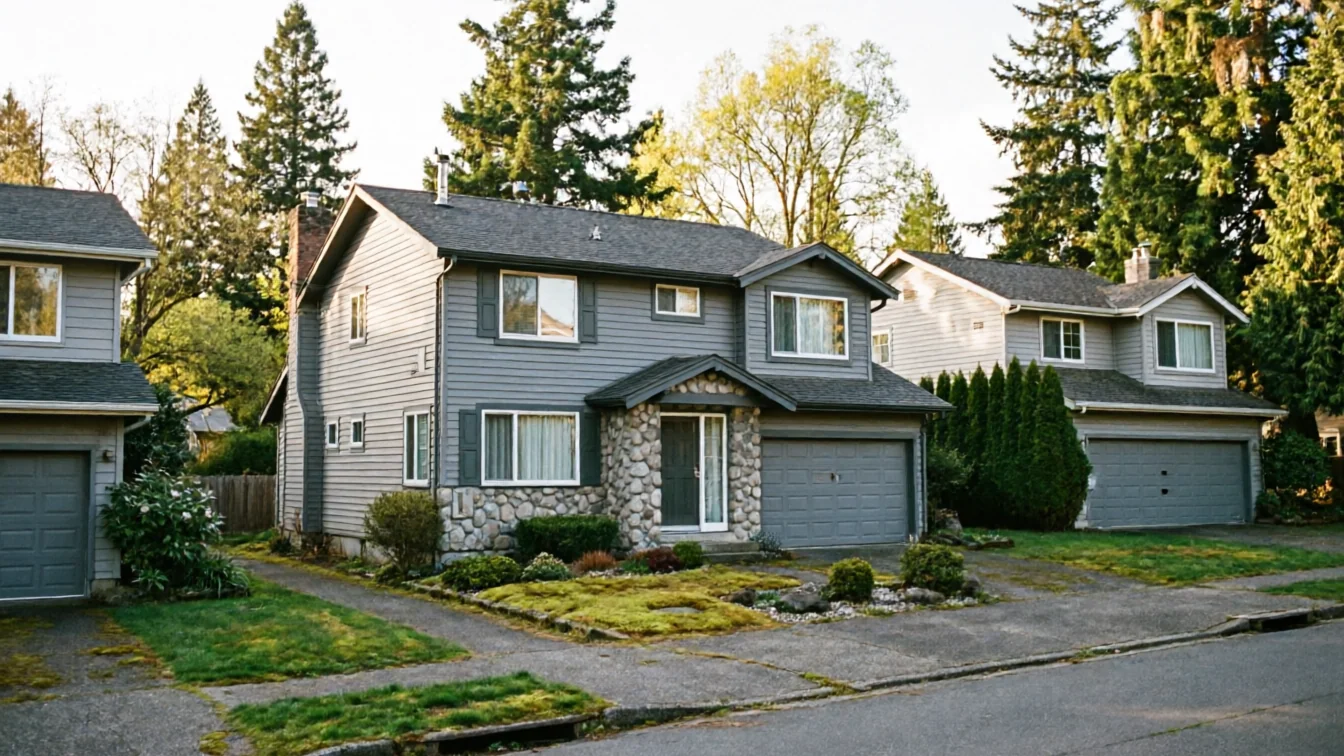
Oatfield isn't uniform. Some of it reads older than the 1976 median suggests, with doors and jambs that look original to a build a decade earlier, and some of it is newer infill that came in after the area's first wave of construction. That split matters for parts: an older original door on side-mounted hardware often needs a part nobody keeps on the shelf, while a newer replacement door from a later remodel is usually on standard track and a spring size any garage door outfit stocks. When we get a call here, the first question isn't the address - it's which era of door is actually hanging in that bay, because a 1960s original and a 1990s replacement on the same block need completely different parts.
Response times
Serving Happy Valley, OR
Oatfield sits about 4 miles from our base in Happy Valley, which is a short run most days. The climate here is mild with occasional freeze, not the deep-freeze cycling that cracks seals and warps panels elsewhere, so the wear we see is mostly mechanical fatigue - springs, rollers, cables - rather than weather damage. One honest limitation: if a part is genuinely obsolete, something sized for a door that hasn't been made in decades, we may need to order it rather than carry it on the truck, and that adds days, not hours. We'd rather tell you that up front than promise a same-visit fix we can't back up.
Service areas
Questions
Possibly, but less likely than in the older parts of the service area. A door installed in 1976 would most likely be an early sectional on torsion or extension springs. Many have since been replaced at least once - openers especially rarely last that long - so the door itself may be original while the opener is a later swap.
Because it almost certainly is. Garage door openers typically last 10-15 years of regular use, so a home built in 1976 has gone through several opener generations already. What's on the ceiling now tells you about a past repair, not the original build.
The area sits in a mild climate band with occasional freeze, which is easier on doors than regions with hard freeze-thaw cycles. Most of what we see here traces back to age and cycle count on springs and rollers rather than weather damage to the panels or seals.
Ready when you are
Happy Valley Garage Door Pros repairs and installs garage doors, springs and openers in Happy Valley, OR and the surrounding area.