Close match versus exact
If one panel on a sectional door is dented or rusted through, we sometimes have to source a close match rather than an exact one, and that changes the bill. A single bottom panel on a newer door is usually a quick job.
Oatfield, Happy Valley
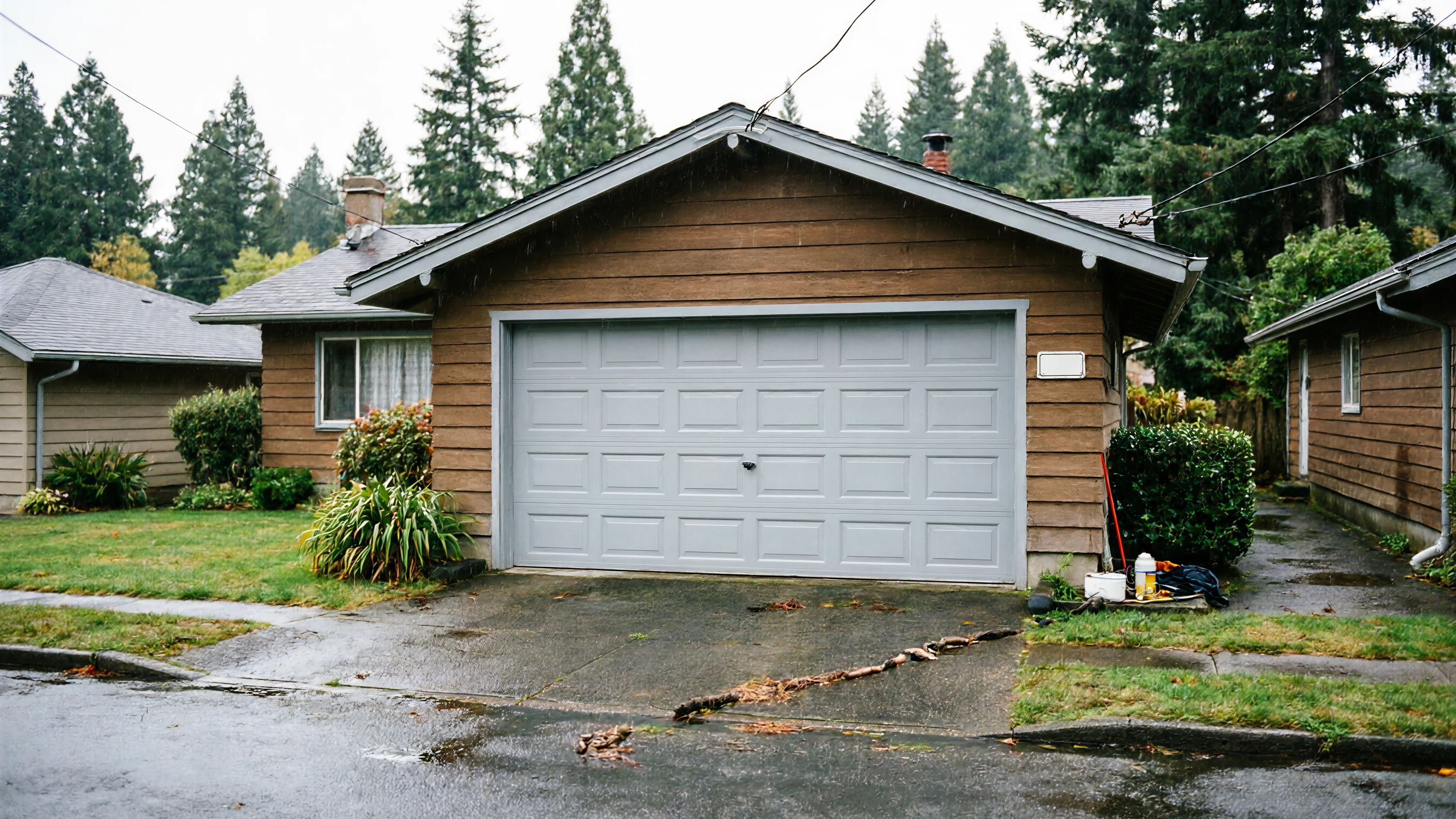
Oatfield homes date mostly to the mid-1970s, which means original steel panels and odd-sized sections. Happy Valley Garage Door Pros matches and replaces them.
Pricing
What drives the price on a panel job here isn't labor, it's matching. Oatfield's housing mostly dates to the mid-1970s, a few years before the service area's overall median build year of 1978, and doors from that run came in section sizes and finishes that current manufacturers don't carry off the shelf anymore.
If one panel on a sectional door is dented or rusted through, we sometimes have to source a close match rather than an exact one, and that changes the bill. A single bottom panel on a newer door is usually a quick job.
A full matched set on an older one-piece or early-sectional door built around that 1976 mark runs longer because of sourcing, not because the install itself is hard. We quote after we see the door and the damage, not before.
Income in this part of the service area runs around $103,483, close to the broader area's $103,015, which tells us most owners here are weighing a full panel match against just living with a dented one for now. We'll give you both numbers and let you decide - we don't push a full replacement when a patch panel does the job.
Warning signs
On doors from the 1976 era, the usual complaint isn't a single dramatic dent - it's rust blooming along the bottom panel seam where snowmelt and sprinkler overspray sit against old galvanized steel, plus delamination on the wood-composite doors that were common in that build period.
The insulation core behind the steel skin on these older panels often wasn't bonded the way current doors are, so once moisture gets behind a dent, the panel bubbles and the skin starts separating from the backing.
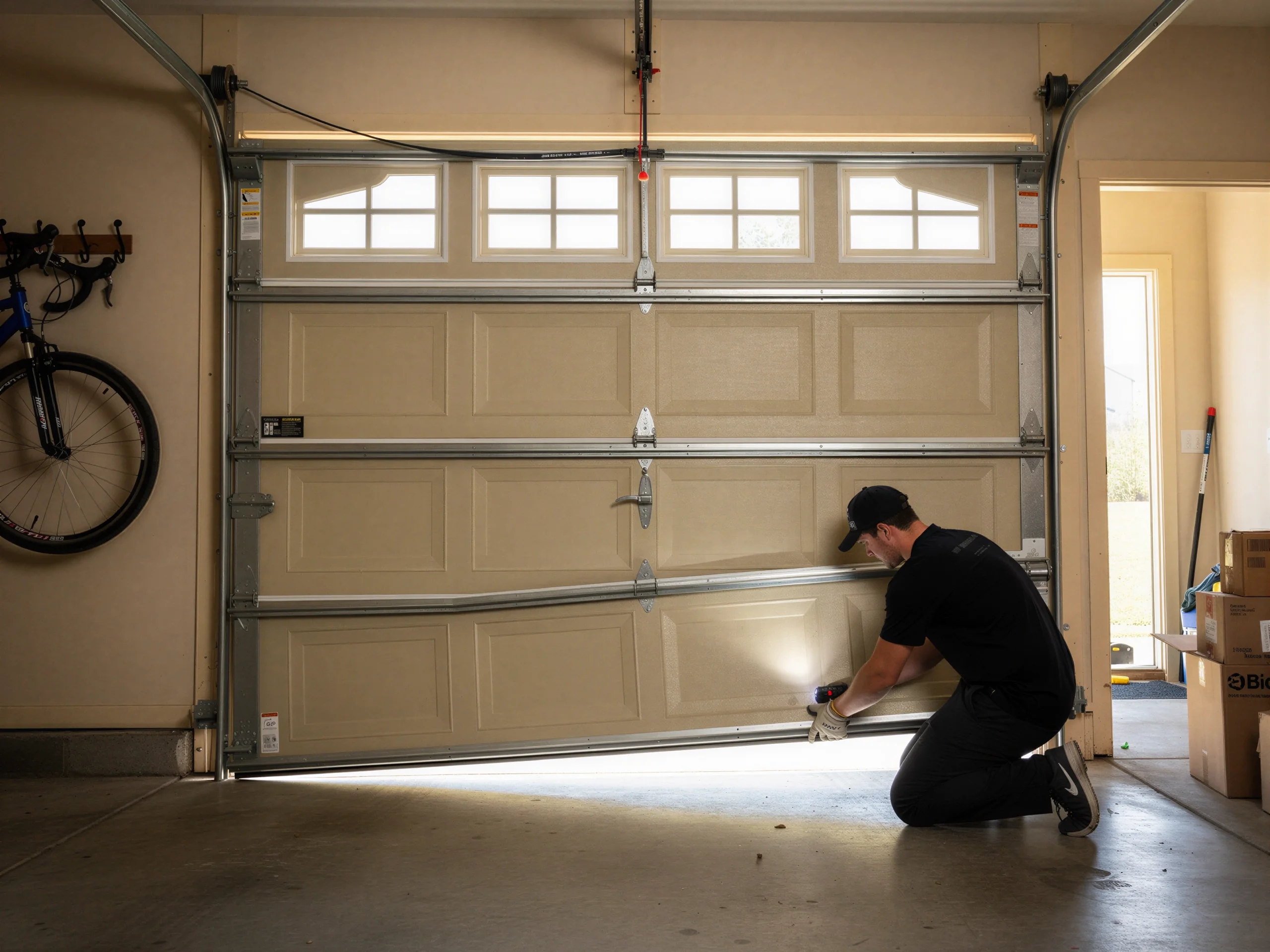
With 4,782 households in Oatfield, a meaningful share of them still running the original door that came with the house, this shows up as a visibly uneven panel line - one section sitting proud of its neighbors - or a door that looks fine shut but shows daylight at a seam when it's halfway up.
If you're seeing rust streaks below the bottom panel, that's usually been building for longer than it looks and the panel underneath is softer than the paint suggests.
Timing
Oatfield sits four miles from Happy Valley, which keeps the drive short once a job is scheduled and a matched panel is in hand. The work itself - swapping one or two sections on a sectional door - is usually finished in under two hours once the crew is on site and the part is correct. What takes time is sourcing on doors from the 1976 construction wave, since matching an obsolete panel profile or finish sometimes means special-ordering from the original line rather than grabbing stock.
We won't promise a same-day turn on a hard-to-match panel, because we'd be guessing at a supplier's lead time, not telling you something we actually know. What we can tell you is that once the part lands, the install day itself is short - we're not rebuilding the opener or the track, just the panel and whatever hardware got bent in the process.
The repair
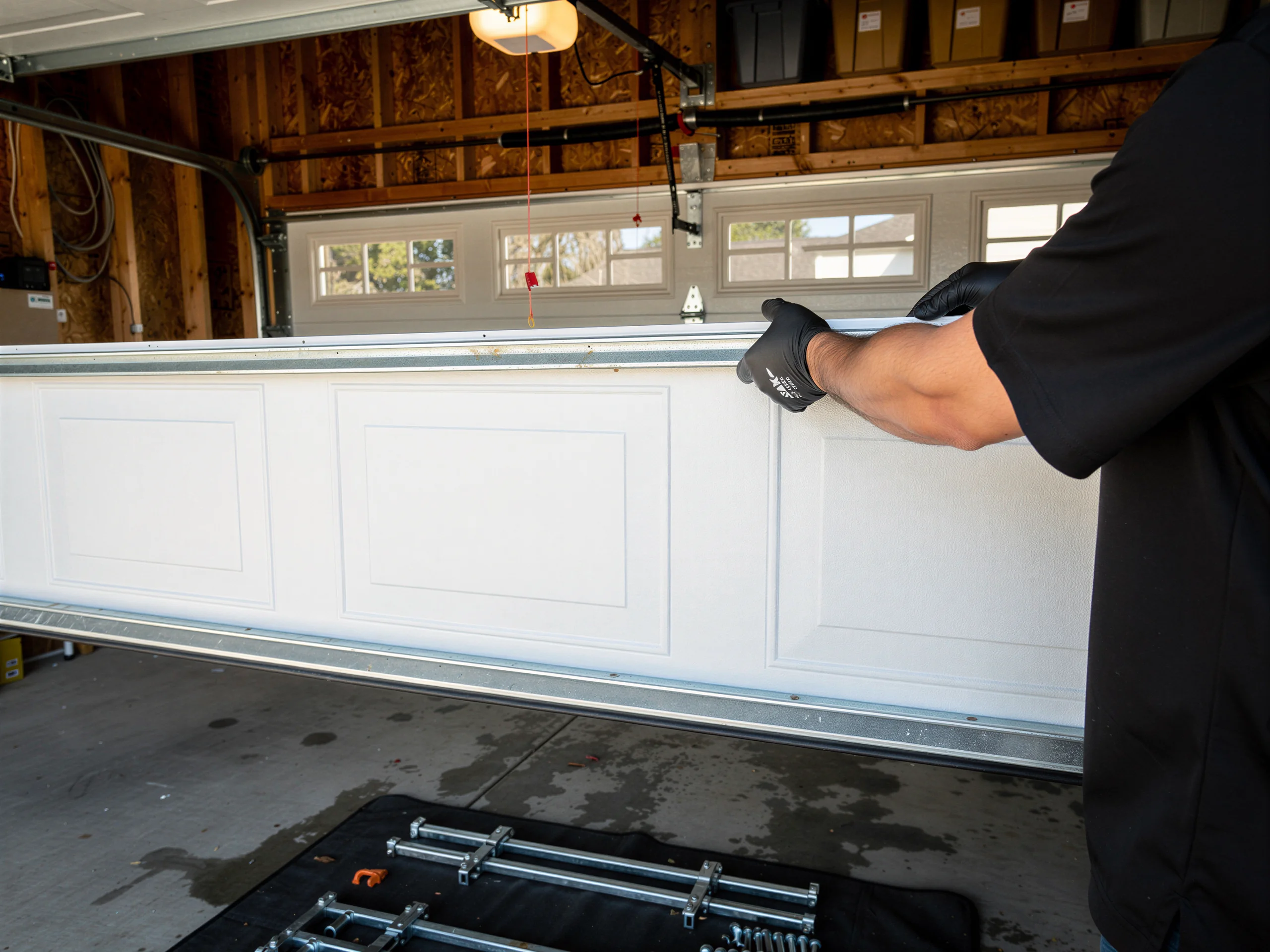
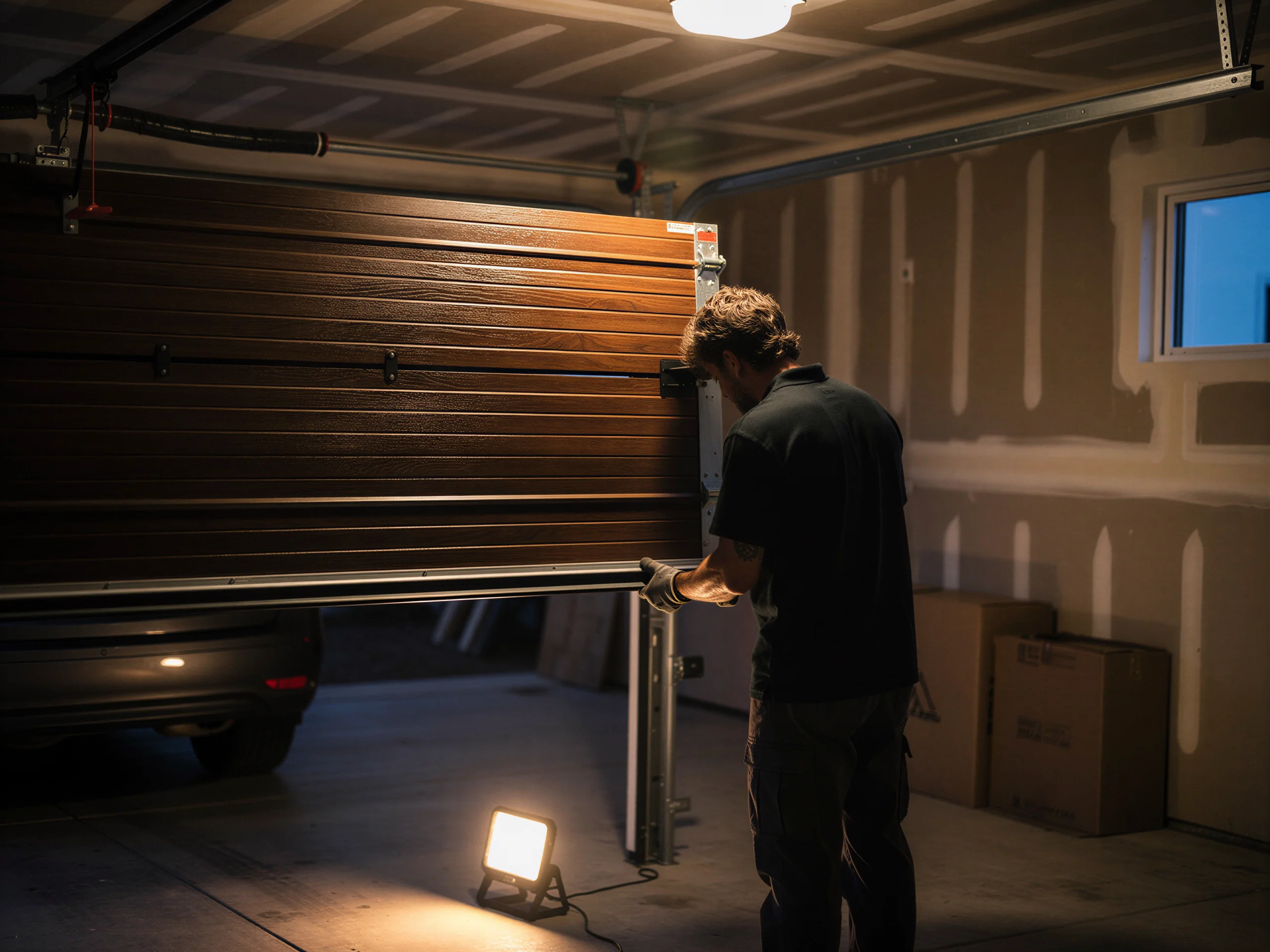
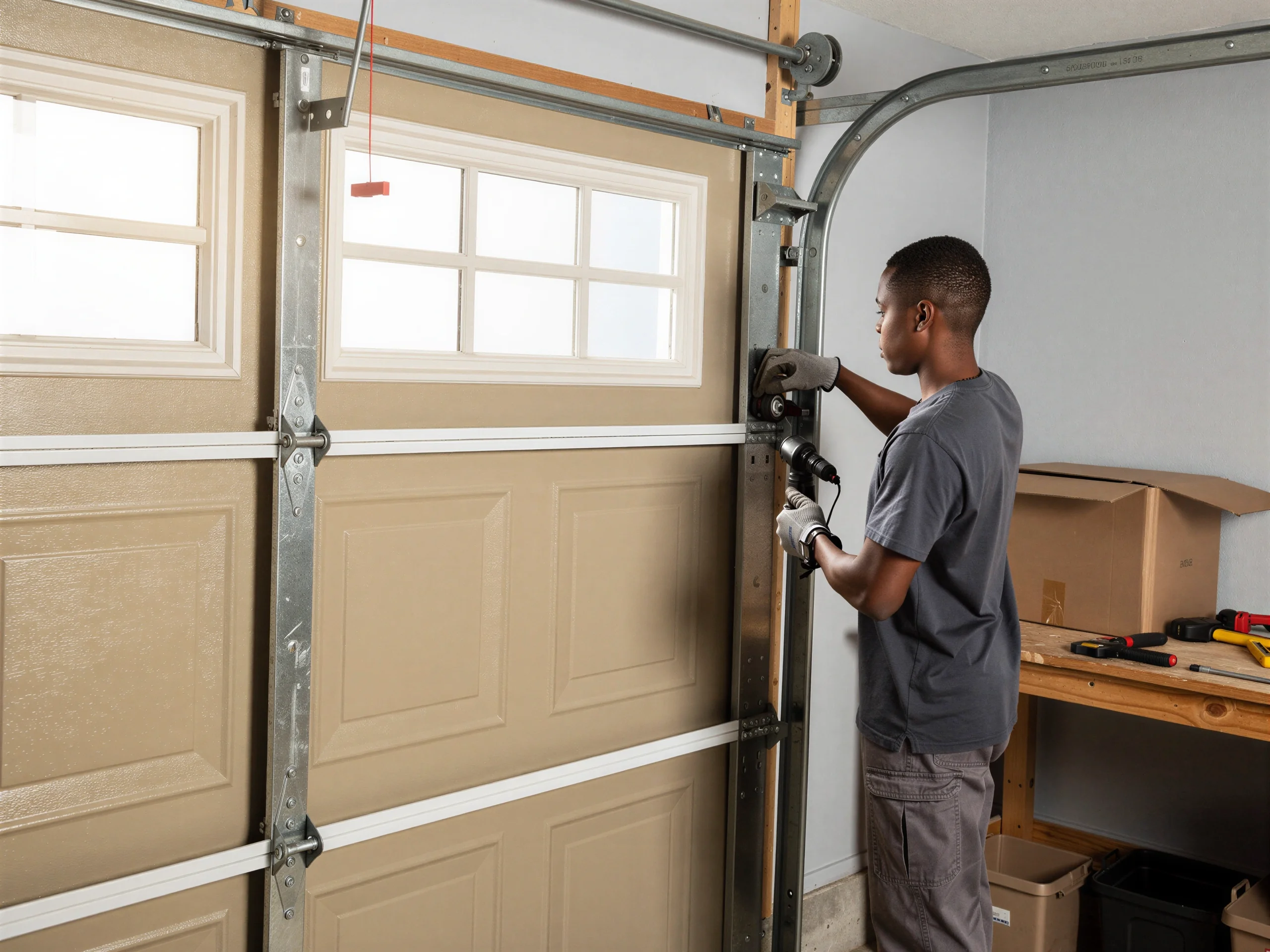
First we pull the door off track enough to get the damaged section out without disturbing the rest of the panels, which matters more on older doors because the fasteners and hinge spacing from that era don't always match current hardware.
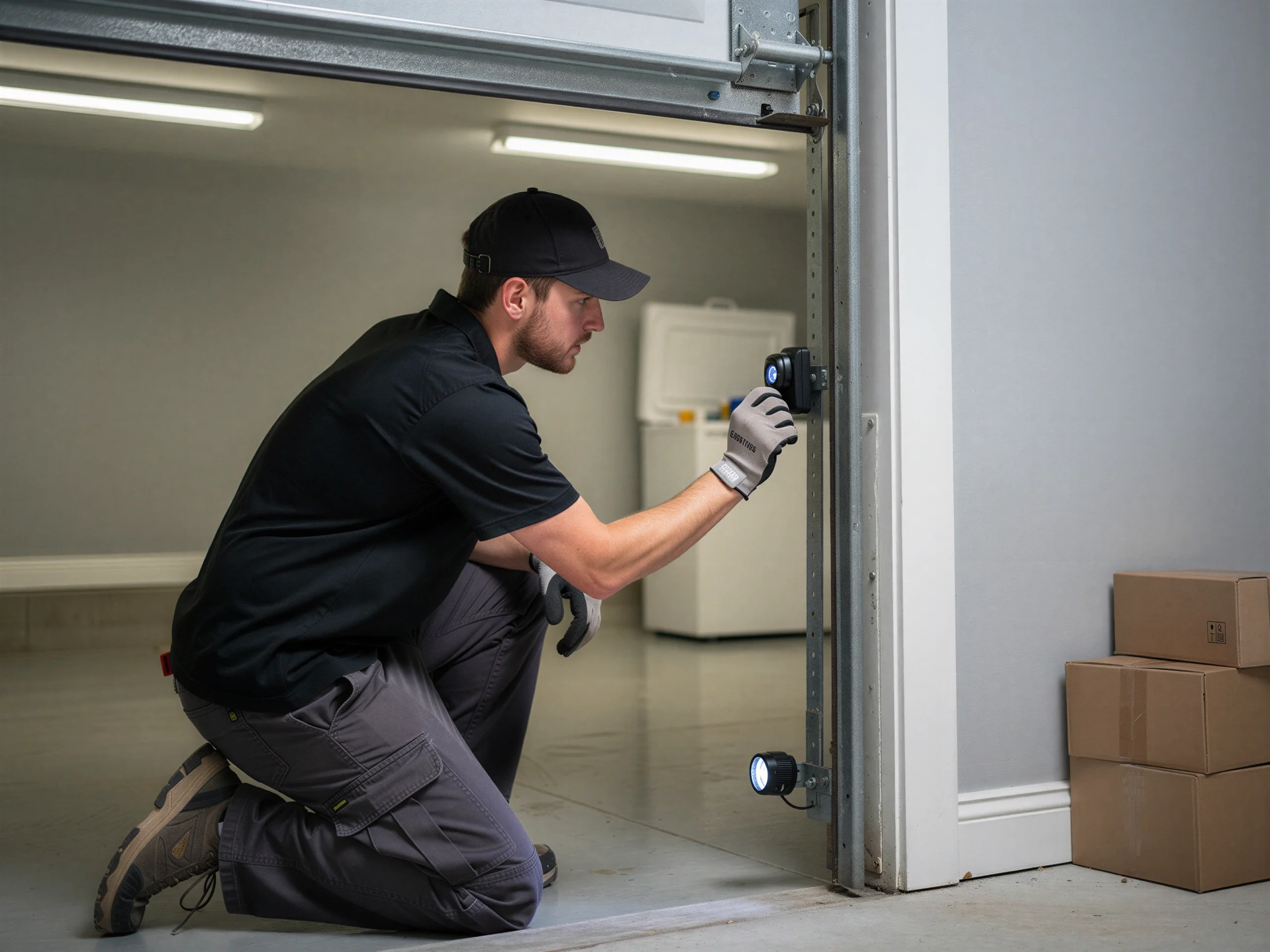
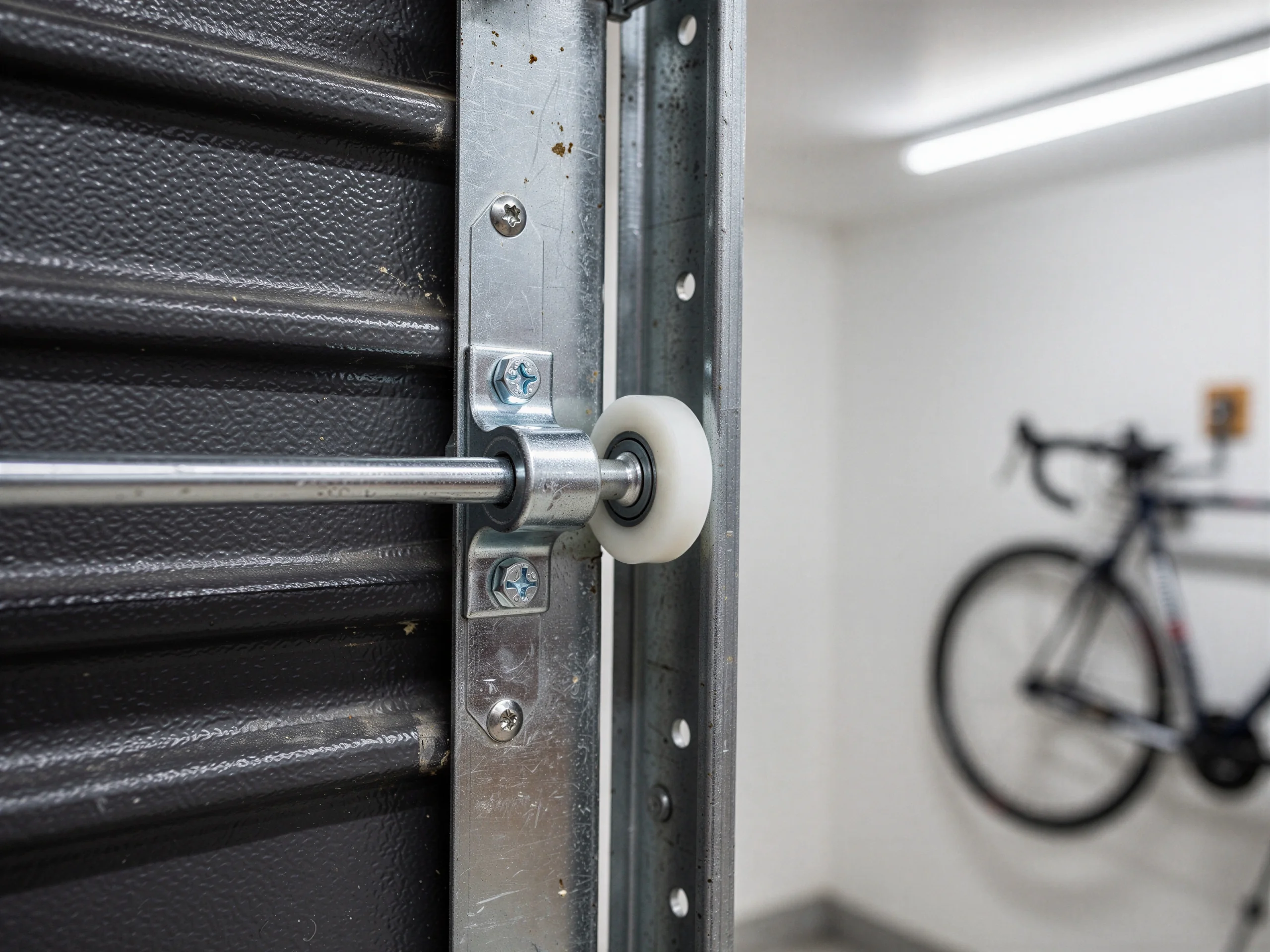
We check the hinges and rollers touching the damaged panel - on a door built around 1976, if one panel's gone soft from rust, the hinges bolted to it are usually stressed too, and we'll flag that before we close the job out rather than after.
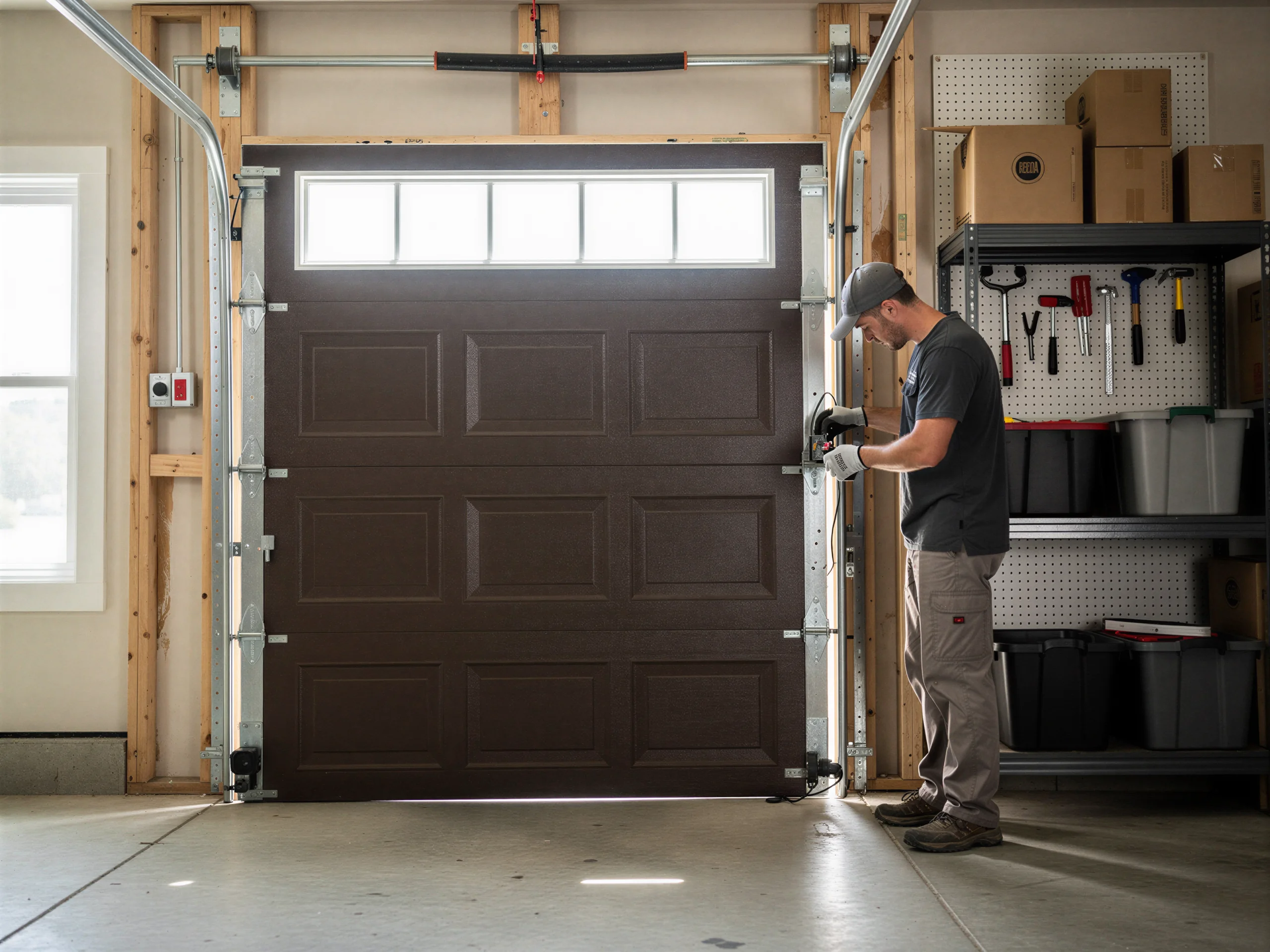
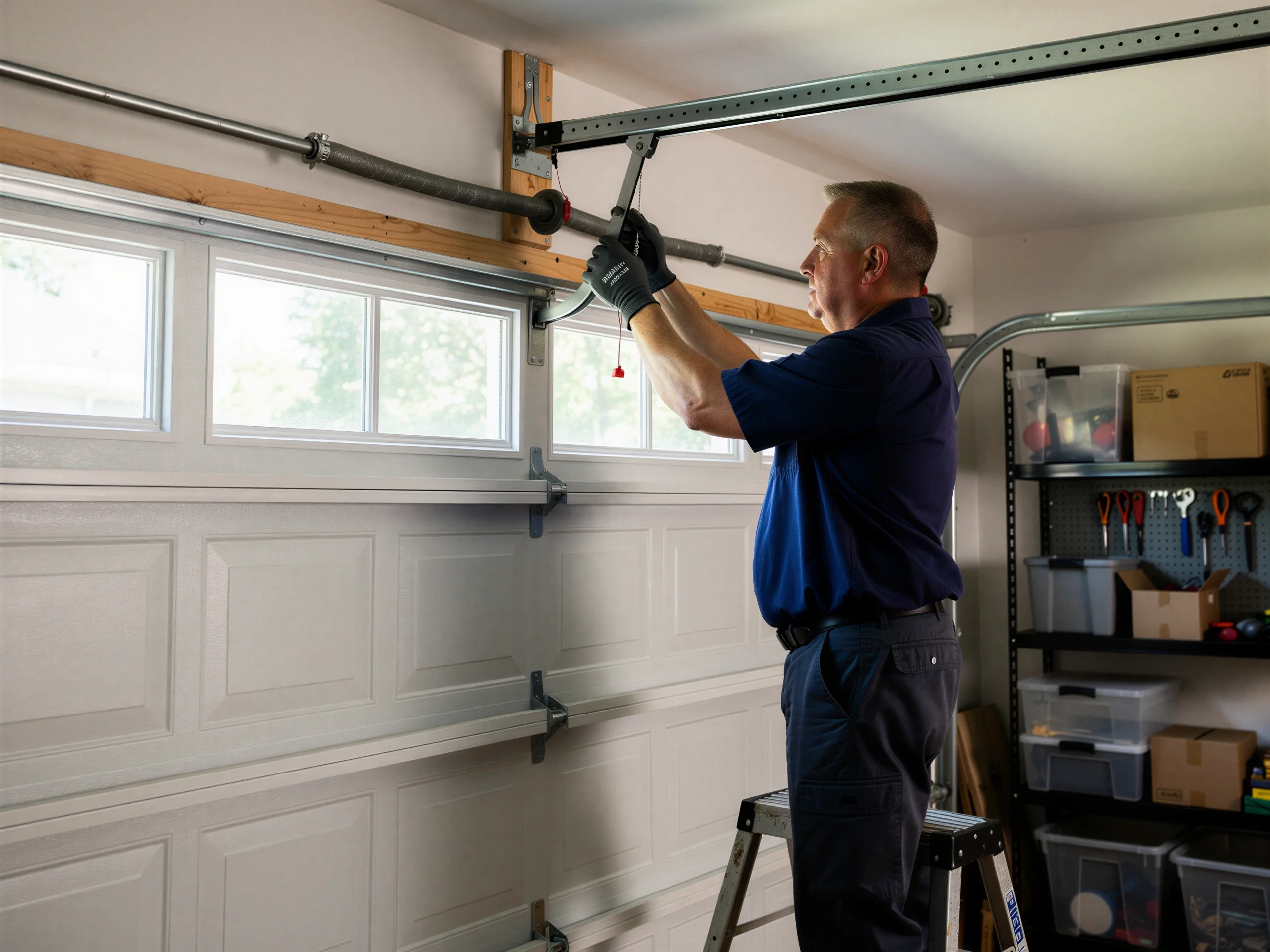
Once the new or matched panel is set, we re-square the door in the track and check balance against the springs, since a swapped panel can shift the door's weight distribution slightly even when the section itself is the right size.
We don't repaint the whole door to blend an older panel in - if that matters to you, we'll say so up front rather than let you assume it's included.
On the truck
We stock common panel sizes for current steel sectional doors, standard hinges, end caps, and the fasteners that go with them, straight off the truck. What we don't keep on hand is the specific panel profile for doors built in the mid-1970s wave that's common across this part of the service area - those get special-ordered once we've measured and photographed your door, because guessing at an obsolete profile wastes your money if it doesn't fit.
That's the honest limitation here: a same-visit panel swap works fine on a newer door, but on an original-era Oatfield door, expect a measure-and-order step before the install happens. We'd rather tell you that now than have you waiting on a truck that was never going to show up with the right part.
Questions
If your door dates to the mid-1970s building wave common in Oatfield, the panel profile and finish likely aren't something we carry on the truck. We measure and photograph the door first, then order a matching panel, which usually means a short wait before the install rather than a same-visit fix.
Sometimes, especially if the door is original to a 1970s-era house and multiple panels show rust or delamination. We'll look at the whole door's condition, not just the damaged section, and tell you honestly if patching one panel is throwing money at a door that's near the end of its run.
We cover Oatfield from Happy Valley, about four miles out. We don't keep a branch or crew stationed in Oatfield itself, but the distance is short enough that it doesn't change how we schedule or quote the job.
Explore more
Ready when you are
Happy Valley Garage Door Pros repairs and installs garage doors, springs and openers in Happy Valley, OR and the surrounding area.