Short drive, no surcharge
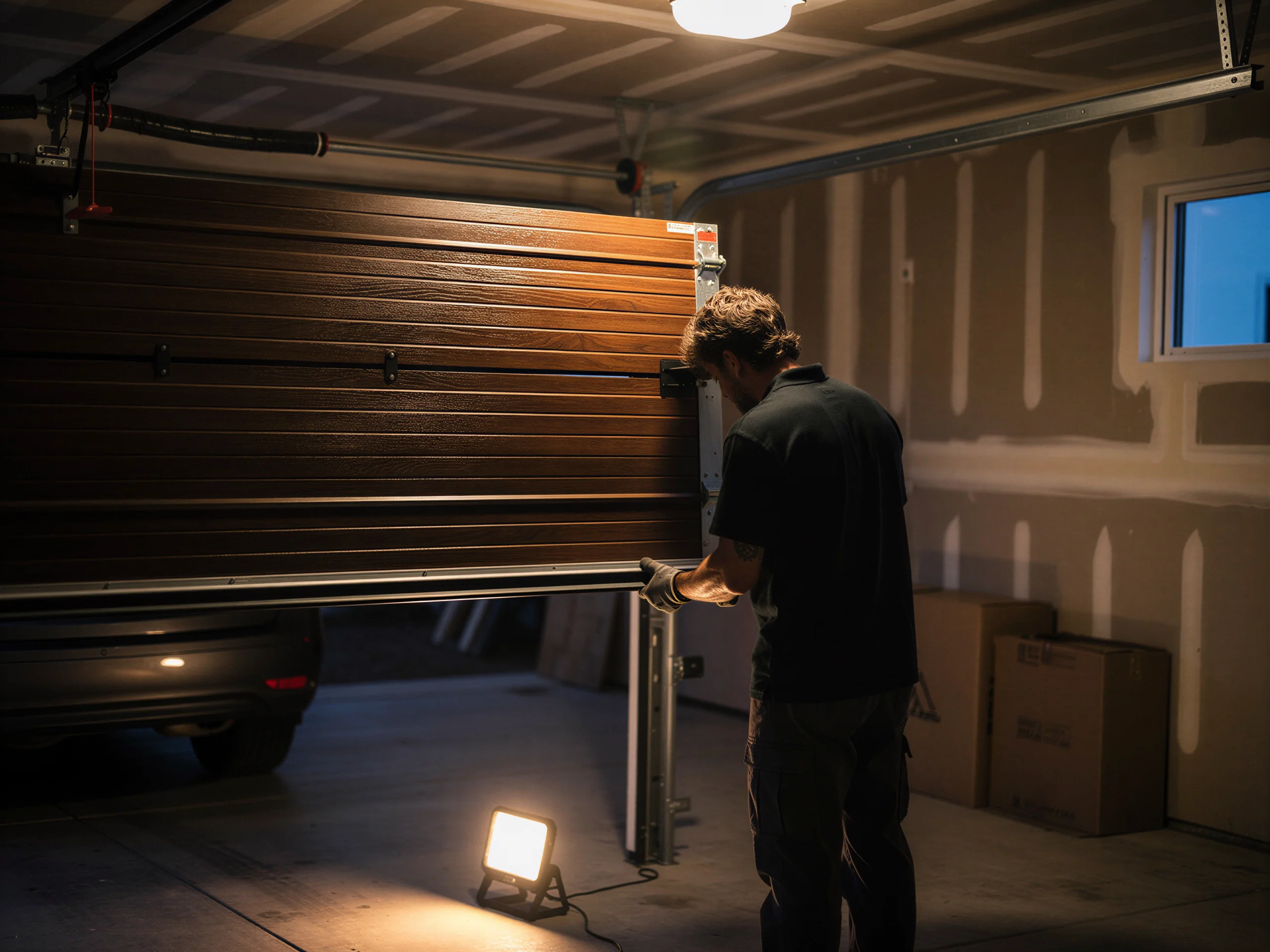
What we can tell you is that Oatfield is a small call for us - about 4 miles from our Happy Valley shop - so you're not paying extra in travel to get someone out.
Oatfield, Happy Valley
Oatfield's 4,782 households sit 4 miles from our Happy Valley shop. We know the 1976-era doors and torsion hardware common on this stretch and carry the parts for them.
Pricing
We don't post a flat number here because what breaks on a 1976-built house in Oatfield isn't what breaks on a newer build. A torsion spring job costs less than a full opener swap, and a bent track on a steel panel door is a different bill than a cracked wood panel from the same era.
What we can tell you is that Oatfield is a small call for us - about 4 miles from our Happy Valley shop - so you're not paying extra in travel to get someone out.
When we quote a job, it's based on what we find at your door, not a guess over the phone. If you want a real number, tell us the symptom: won't open, won't close, loud bang, door off track. That narrows it fast. One honest limit: we don't do cosmetic estimates sight unseen.
If your door is original to a 1970s build and the spring just went, that's usually a straightforward fix. If the opener, track, and springs are all original and all failing at once, replacement starts looking cheaper than three separate repairs, and we'll tell you that instead of running up a repair tab.
Warning signs
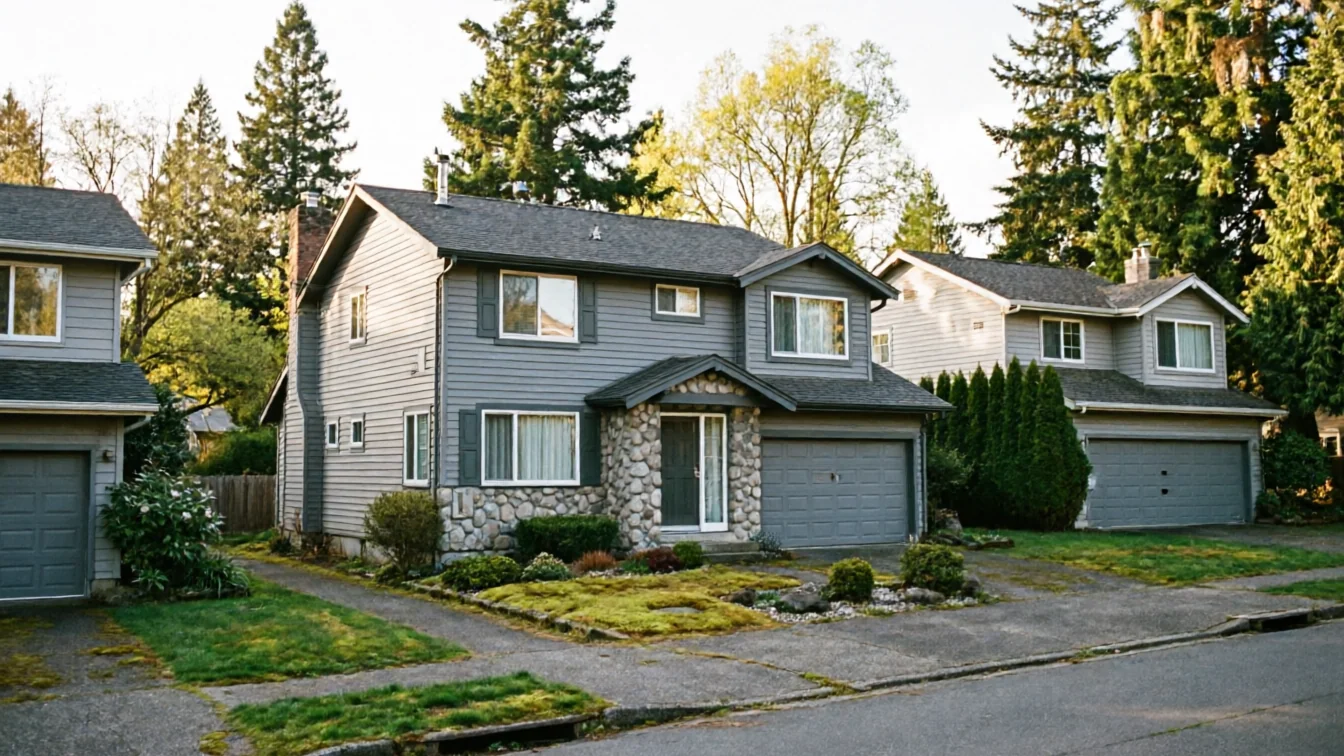
Oatfield's housing sits inside a service area where most stock dates from 1964 to 2003, median year built 1978, and this particular stretch runs close to that, with homes typically going up around 1976.
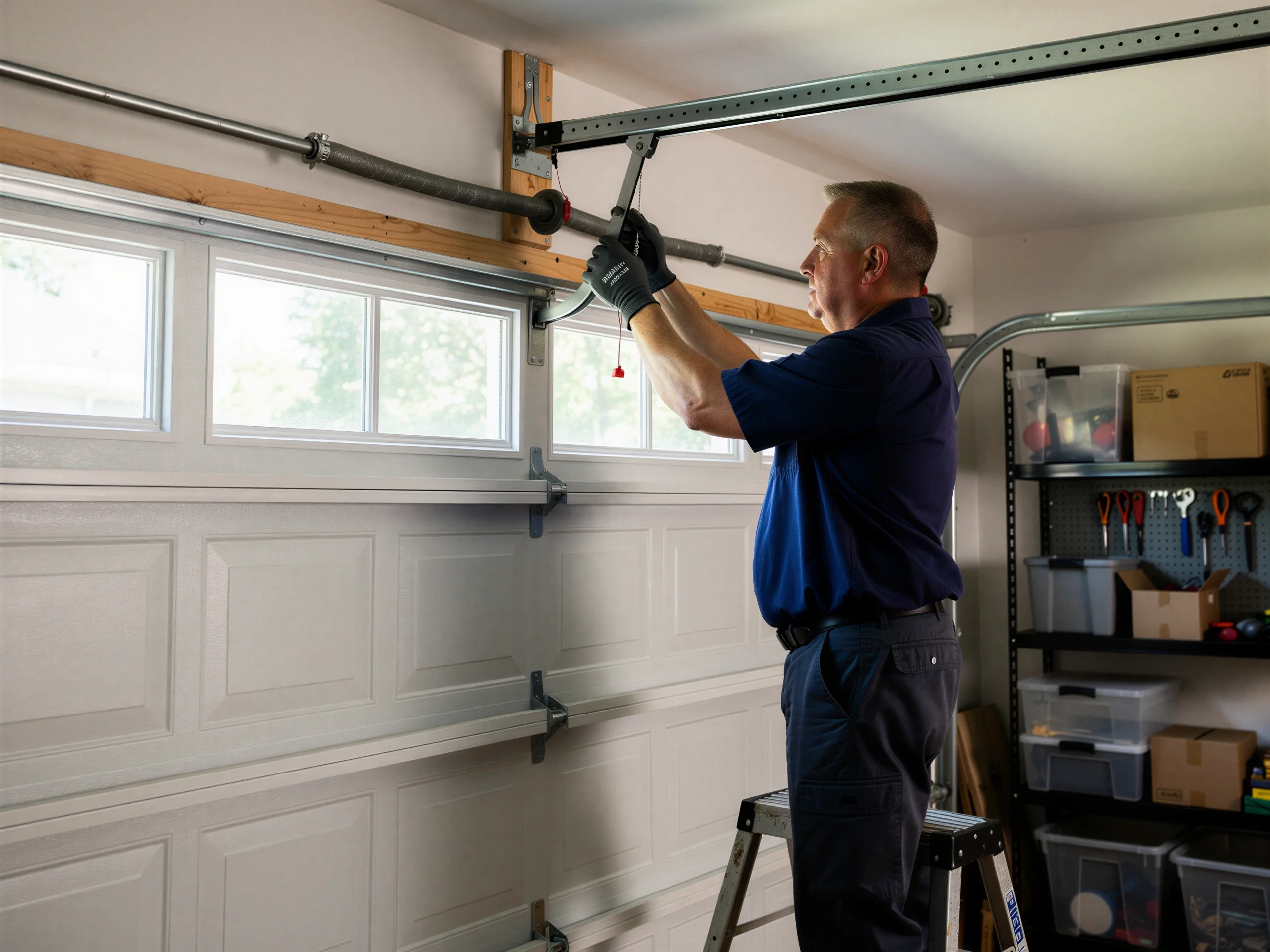
That means a lot of original torsion springs, steel tracks, and first- or second-generation chain-drive openers that are now coming up on fifty years of cycles. The common failure here isn't exotic: a torsion spring that's done its last few thousand cycles and snaps, usually with a bang loud enough that neighbors notice.
The climate here is mild with occasional freeze, which isn't brutal on hardware the way a harsh winter is, but it does mean metal fatigue from decades of use matters more than weather damage.
If your door is sagging on one side, binding halfway up, or the opener strains and reverses before it closes, that's consistent with original hardware finally giving out rather than storm damage. We don't guess at what's wrong before we see it, but the pattern on houses this age is consistent enough to know what we're likely walking into.
Timing
A snapped torsion spring on a standard double door is usually a same-visit fix once we're on-site - an hour or so of work. Cable replacement runs similar. Where it stretches out is parts: if your opener is an original unit from the 1976-1978 window and a specific gear or circuit board has failed, that part may not be sitting on the truck, and we may need a day or two to source it rather than force a mismatched replacement.
We'd rather tell you that up front than hand you a patched fix that fails again in a month. Being 4 miles out from Happy Valley means we're not losing a job to drive time - the clock on your repair is set by the part, not the trip.
The repair
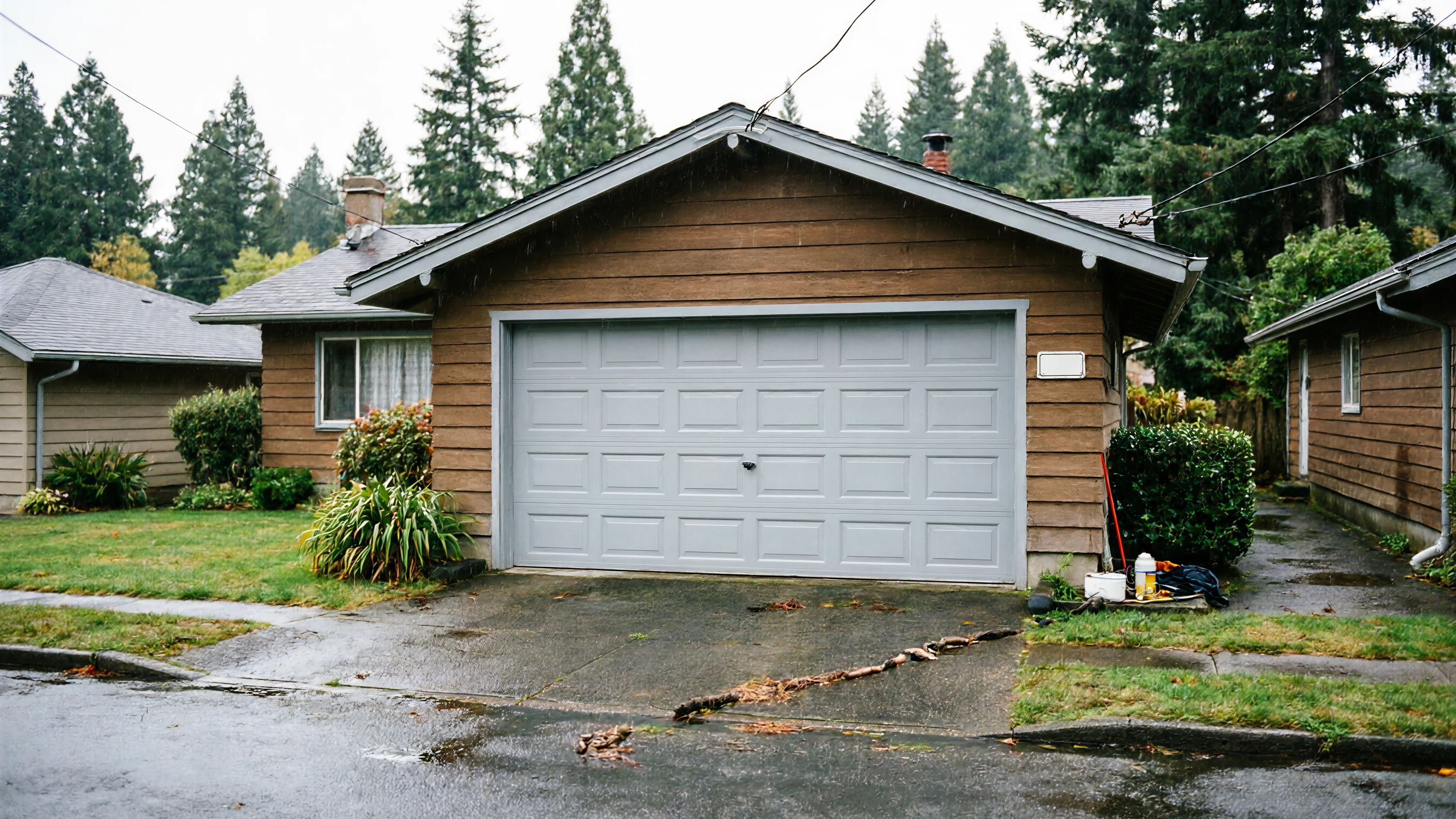
For a broken torsion spring, the job is: secure the door, release tension on the old spring safely, pull it, match the new spring to your door's weight and drum size, wind it to the correct turns, and test the balance by hand before we touch the opener again.
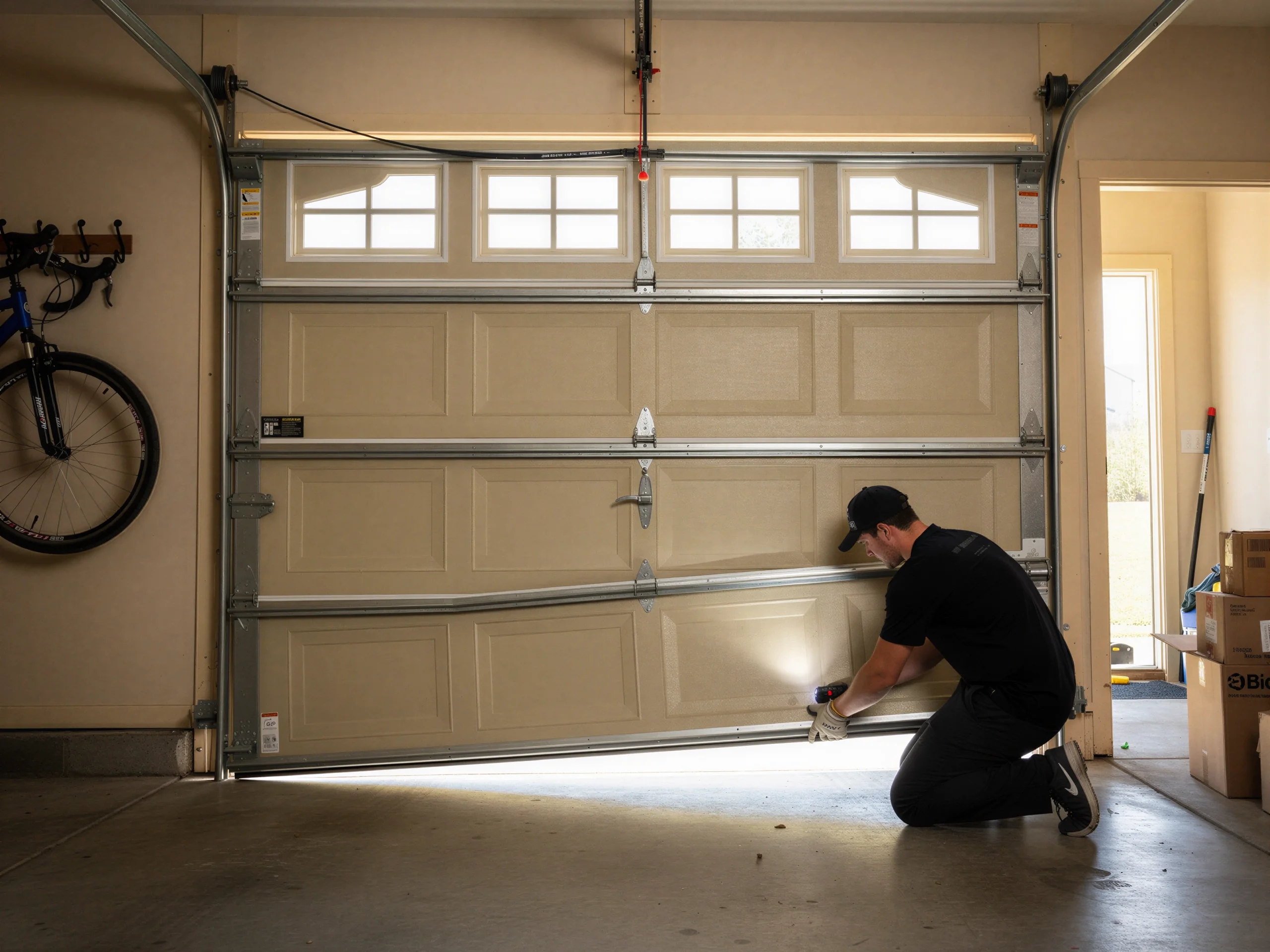
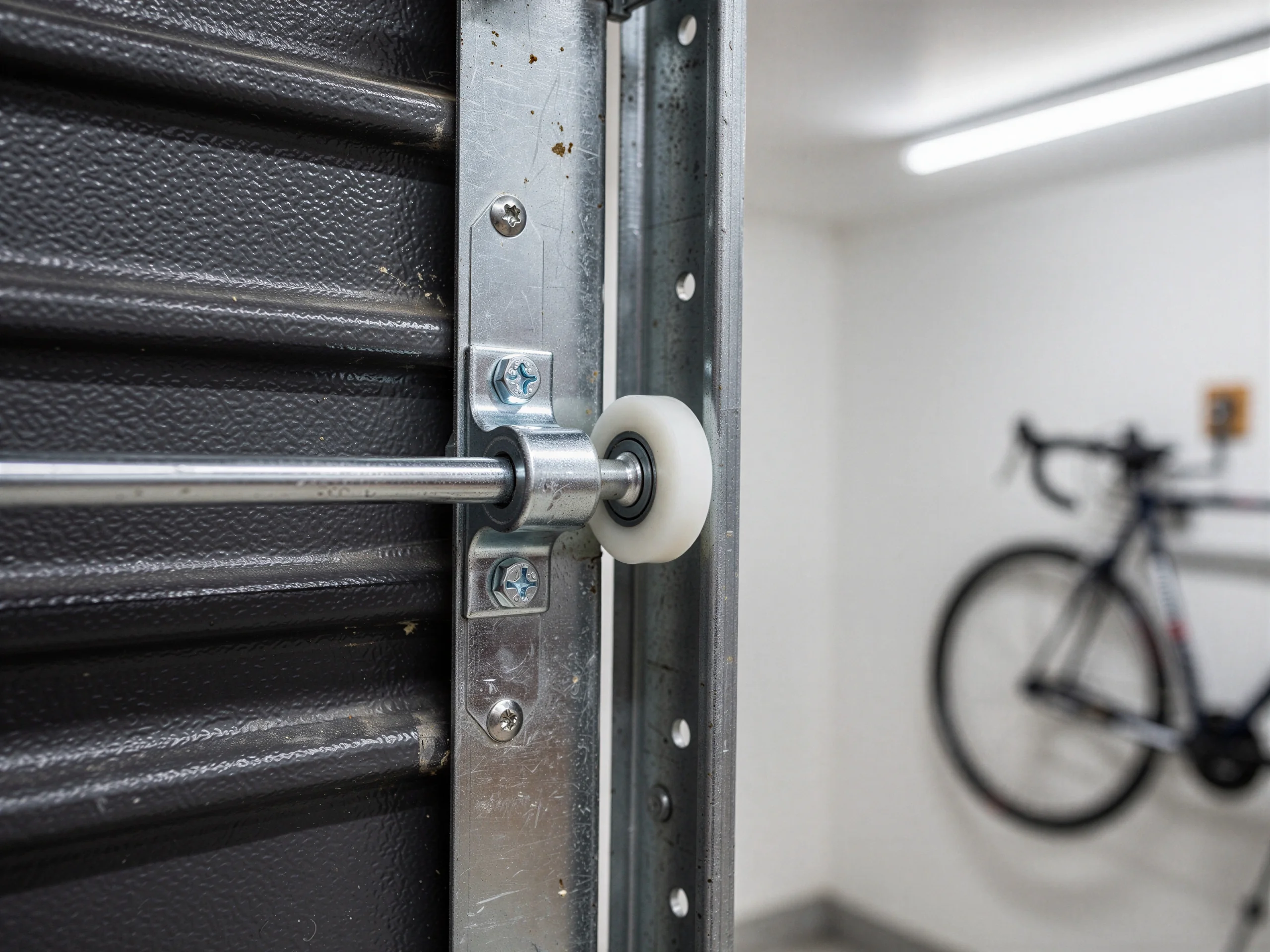
On a house built in the 1970s, that spring is almost always a standard size we carry, not a custom order. For track or roller issues, we check the whole run first - a bent section near the bottom is sometimes a symptom of a roller that failed higher up and let the door drop unevenly. We fix the cause, not just the dent.
If the opener itself is the problem and it's an original unit from that era, we'll walk you through whether a repair makes sense or whether the motor's age means a new opener is the better money. We don't push replacement by default - plenty of these old chain-drives still run fine once a bad capacitor or limit switch is swapped.
On the truck
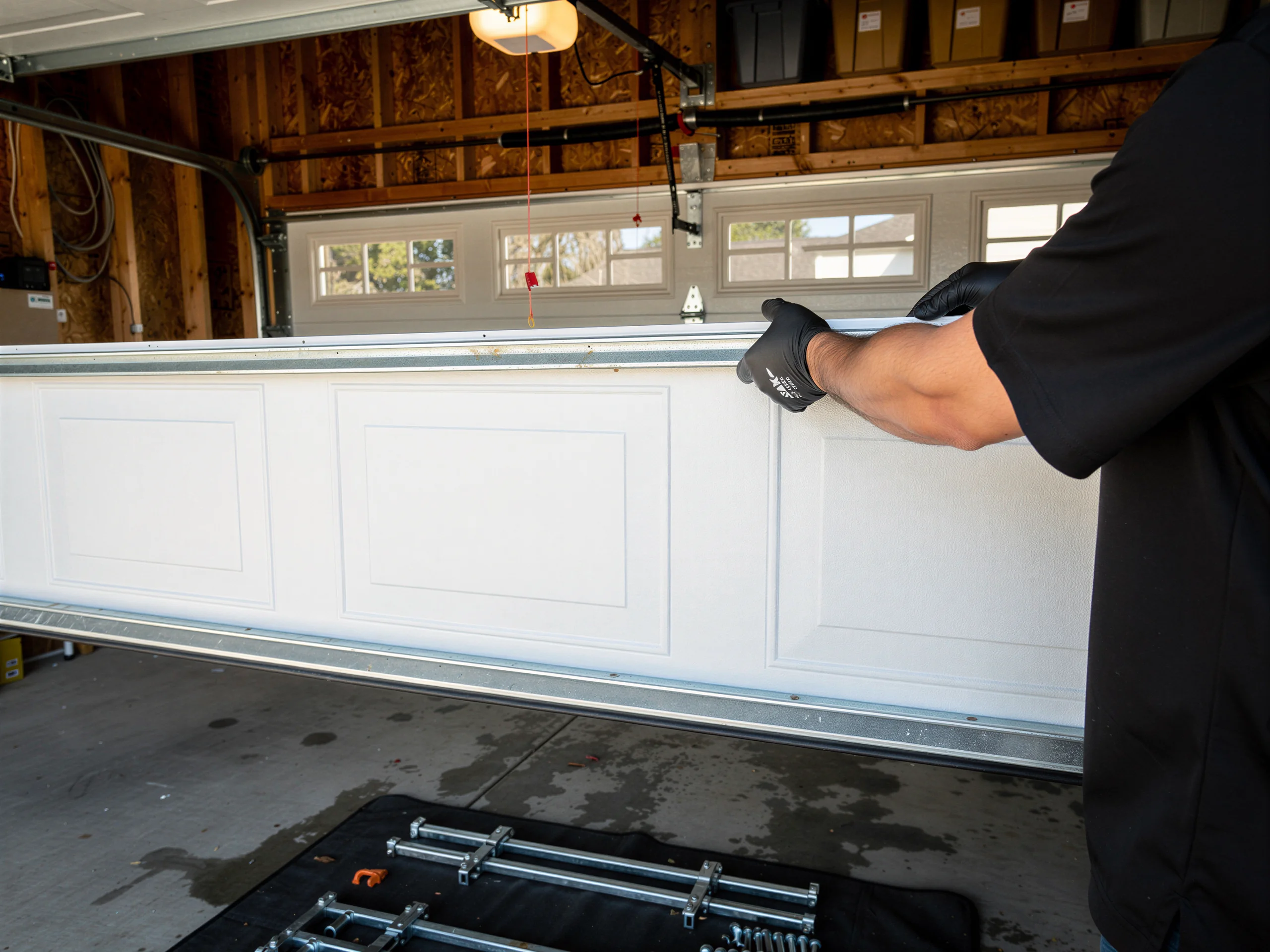
We stock standard torsion springs, extension springs, cables, rollers, and hinges sized for the double and single doors common on houses built through the 1970s and 80s, which covers the bulk of what's out there in this part of the service area. We also carry universal opener boards and logic kits that fit most chain and belt-drive openers installed since the 1980s.
What we don't carry on the truck: obsolete one-piece door hardware from houses built before the 1960s, and proprietary parts for a handful of opener brands that stopped making replacement boards years ago. If your house falls into either category, we'll tell you straight whether we can source the part or whether replacement is the realistic path. For more on how we cover this stretch, see our Oatfield service area page, and for the full emergency repair service, see the Happy Valley page.
Questions
About 4 miles. It's a short run for us, so you're not paying extra in drive time to get a truck out for a spring, opener, or track problem.
Torsion springs fail by cycle count, not by age alone. A spring on a house built in the mid-1970s has usually gone through tens of thousands of open-close cycles, and it lets go suddenly rather than wearing out gradually. That's normal for hardware this old.
Depends on the part. We carry universal boards for most chain and belt-drive openers from the 1980s onward. Original units from the mid-1970s sometimes need a sourced part, and if that part's gone obsolete, replacement is usually the better money than chasing it down.
Not on the truck. One-piece doors with side-mounted torsion hardware from before the 1960s use parts that have mostly gone out of production. If you have one, tell us up front so we can check availability before we quote the job.
Explore more
Ready when you are
Happy Valley Garage Door Pros repairs and installs garage doors, springs and openers in Happy Valley, OR and the surrounding area.