Single spring, contained job
A broken spring on one of these is a more contained job than on a wider, heavier door - less steel to lift, one spring to size instead of two. Openers are the other cost driver.
Oatfield, Happy Valley
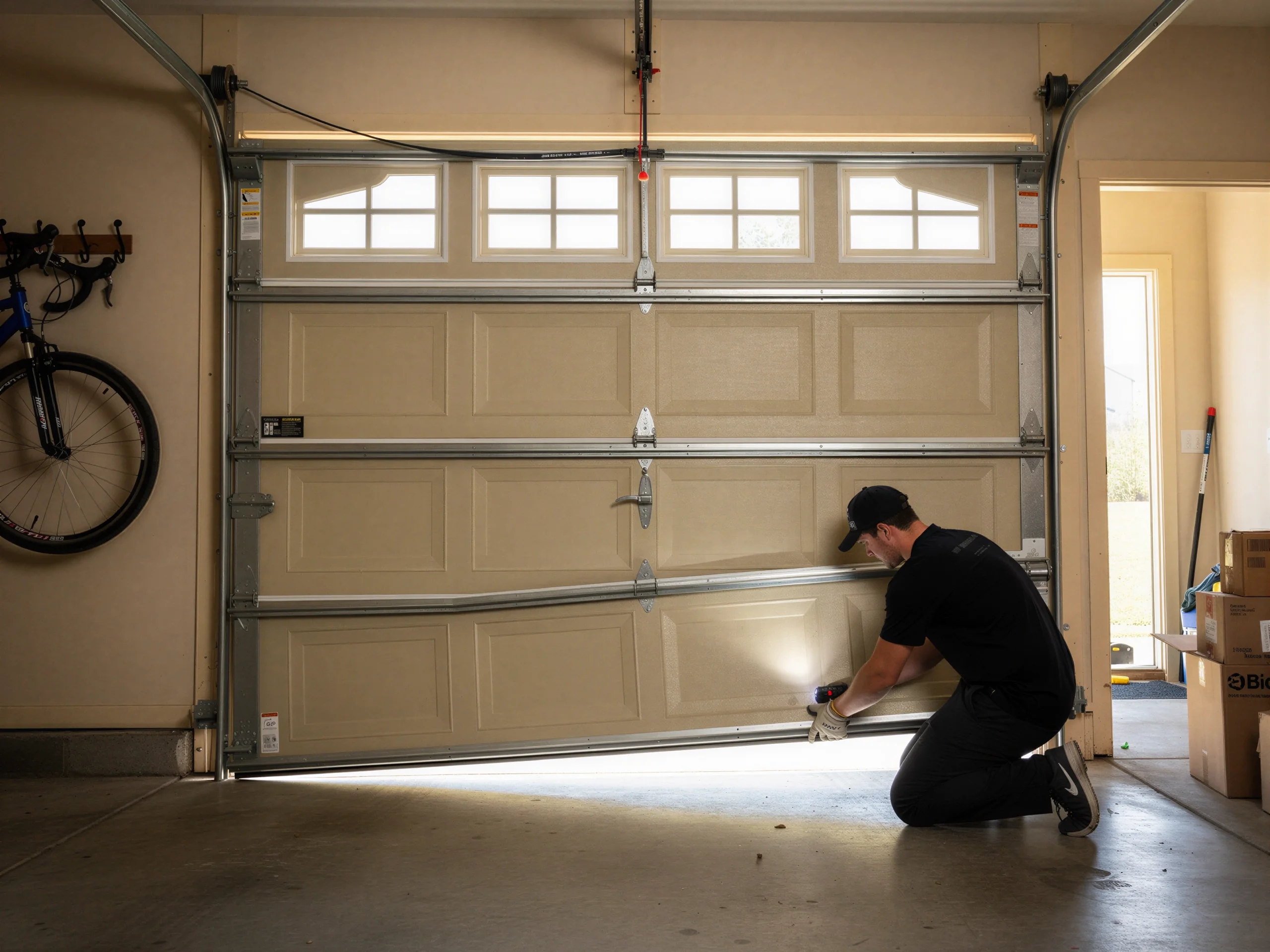
Oatfield homes built around 1976 run original steel sectional doors on single torsion springs. We drive out from Happy Valley, 4 miles away, to fix what that era breaks.
Pricing
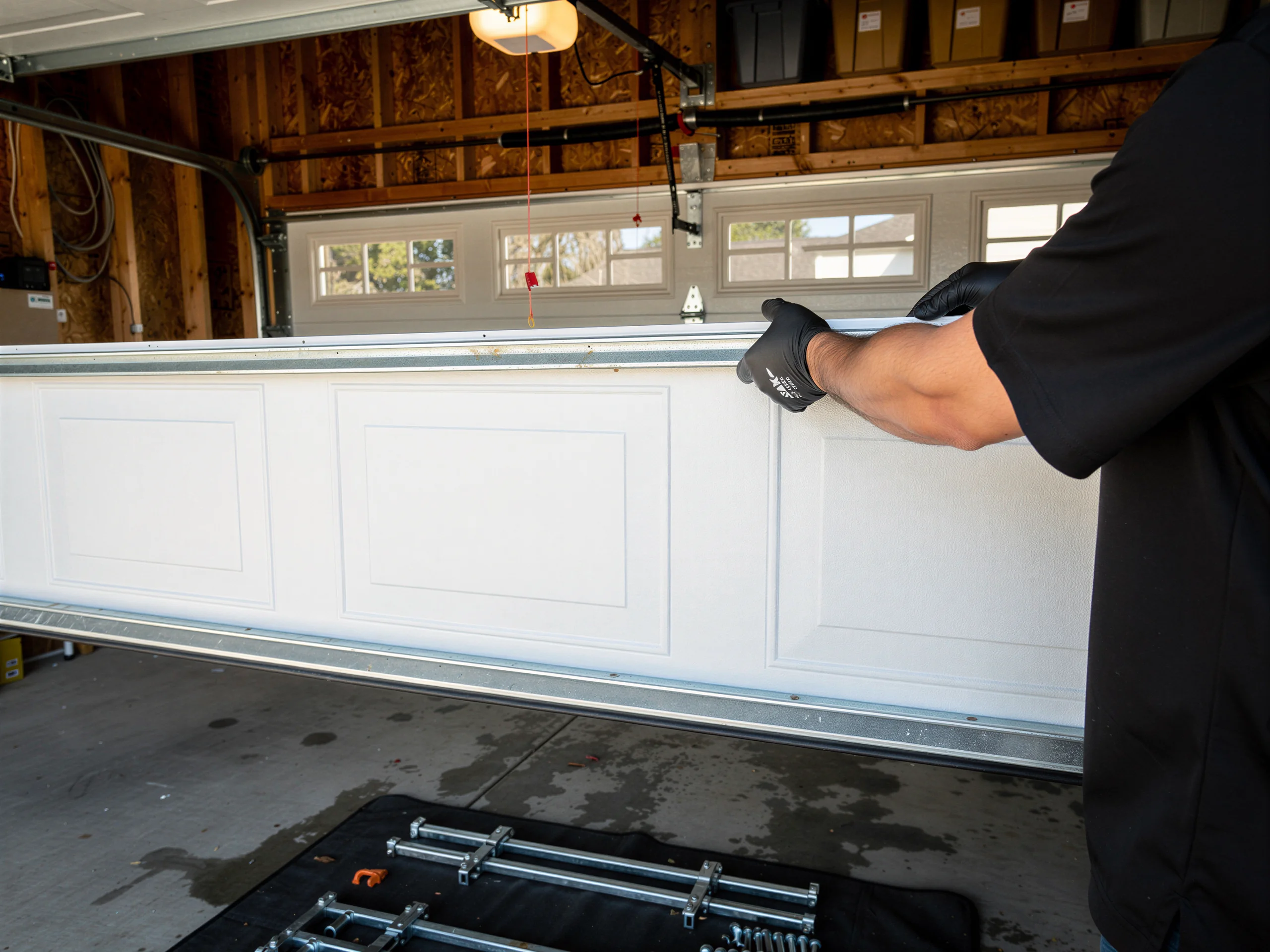
What a repair runs here comes down to what's actually on the house. Oatfield's median year built is 1976, which puts most garages in the same bracket: steel sectional doors, often the narrower single-car width common on houses from that decade, hung on a single torsion spring rather than the dual-spring setups you'll find on newer two-car doors elsewhere in the service area.
A broken spring on one of these is a more contained job than on a wider, heavier door - less steel to lift, one spring to size instead of two. Openers are the other cost driver.
A house built in 1976 has had at least one, often two, opener replacements by now, so you're as likely to find a chain-drive unit from the 2000s as anything original.
We price the job after we see the door and the hardware, not off a phone guess, because a worn roller set and a seized torsion spring don't cost the same to put right. We don't install smart openers with full home-automation tie-ins - if that's what you're after, we'll tell you so up front rather than take the job and improvise.
Warning signs
If your door is dragging, binding partway up, or the opener strains and reverses, the usual cause in a house this age is a torsion spring that's lost tension or a cable that's starting to fray at the drum.
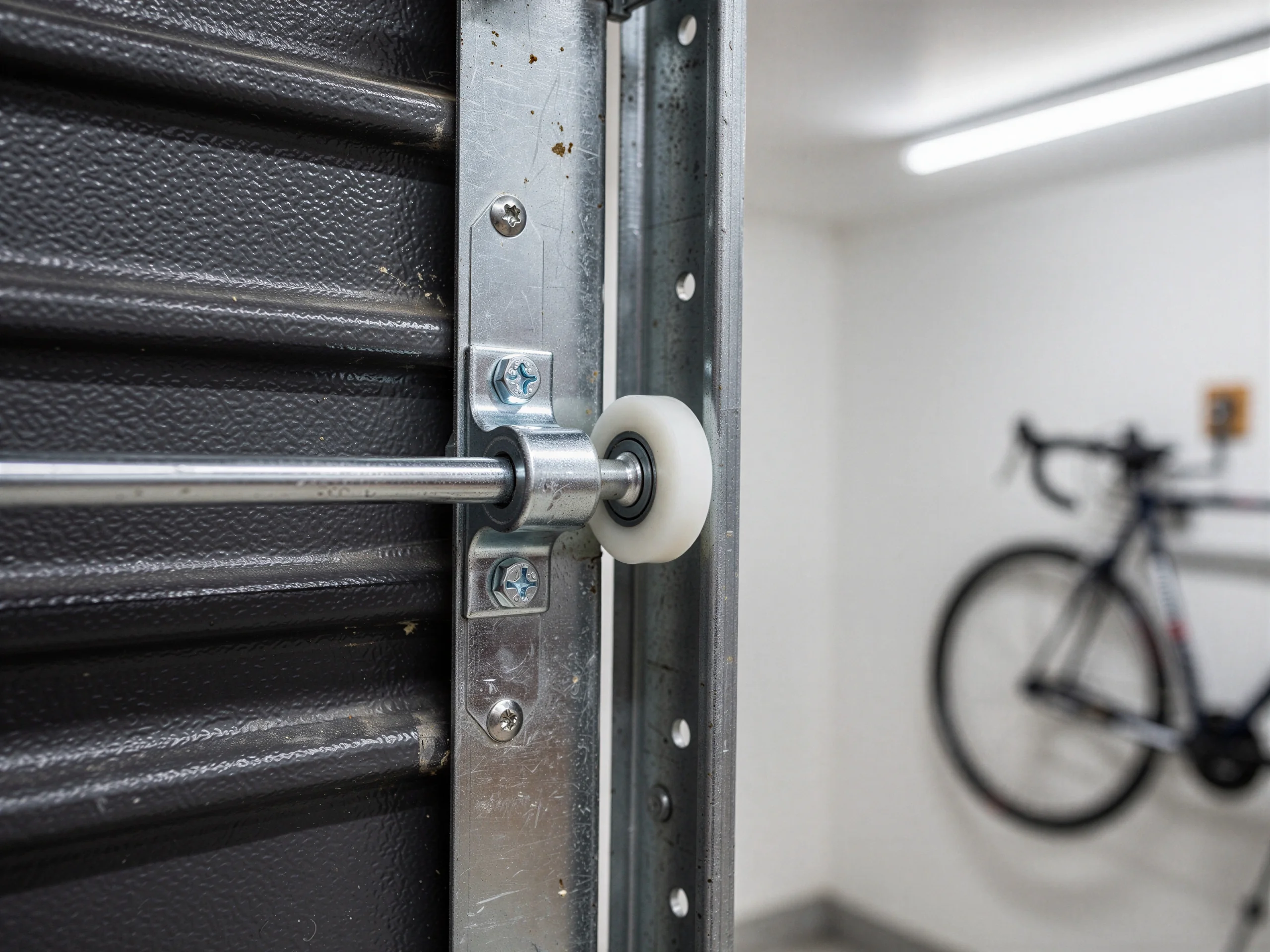
These houses mostly kept their original tracks, which were galvanized steel but not the heavier-gauge stuff used after 2000 - over close to fifty years, track brackets loosen and the door walks sideways instead of running straight.
A loud bang followed by the door refusing to open at all is almost always the spring letting go, not the opener. If the door reverses right at the floor every time, check the sensor eyes first; wiring from that era sits low near the slab and corrodes.
None of this is Oatfield-specific weather damage - the climate here is mild with occasional freeze, not the kind of swing that cracks panels - it's just age catching up with hardware that's done its job for decades.
Timing
A single torsion spring replacement on one of these 1970s-era single-car doors is usually a half-day job once we're on site, including pulling the old spring safely and resetting cable tension.
Two-car doors with dual springs, more common on the newer builds mixed into the 24 named areas around the service area, take a bit longer simply because there's more to balance. Track realignment on an older house runs quick if the brackets just need re-tightening, longer if the track itself is bent and needs swapping in sections.
We travel the 4 miles out from Happy Valley for the job, so figure that drive into when we can get there, not into how long we're on site once we arrive.
We don't carry every part on the truck for every call - if your door takes an odd-size spring or a discontinued track bracket, we may need a day to source it before we finish the repair.
The repair
On a 1976-era single-car door, the fix usually starts with unwinding and removing the old torsion spring, checking the shaft and bearing plates for wear, then winding in a correctly sized replacement spring matched to the door's actual weight - not a generic one-size part.
If the cables show fraying near the drum, we replace both as a pair even if only one looks bad, since they age at the same rate. Track work means checking plumb at the brackets first; most sag in these older garages is the wood jamb settling, not the steel track failing.
For openers, if the unit is original or close to it, we'll often recommend replacement outright rather than patching a motor that's outlived its gearing - a repair that buys six more months isn't worth billing for.
Every fix gets tested through a full open-close cycle with the auto-reverse checked, since that's the one safety item we won't skip regardless of the age of the door.
On the truck
We stock common torsion spring sizes, standard-gauge cable, and rollers in both nylon and steel, which covers most single-car doors from Oatfield's 1976 median build year. Track sections and brackets we carry in the sizes that fit standard residential openings; anything custom-cut for an unusual garage gets ordered rather than guessed at. We carry a limited range of chain and belt-drive openers for straight swaps, but we don't stock parts for discontinued opener brands from the 1970s and 80s - if your original unit is one of those, replacement is usually the faster and cheaper route anyway. Panels are the one item we almost never have on the truck; a dented steel section from this era is often a non-standard size, and sourcing a match can take longer than the rest of the job combined.
Questions
Door weight and width set spring size, and houses in Oatfield mix the original narrower single-car doors from the 1976 median build era with wider two-car doors added later. A spring sized for one will either under-lift or over-stress the other, so we measure and size per door rather than assume.
No. We're based in Happy Valley and drive the roughly 4 miles out to Oatfield for calls. There's no local branch or drop-off counter here, just a truck that comes to your driveway.
If it's close to original and failing, replacement is usually the better call financially - we don't stock parts for the older discontinued opener brands common in houses from this era, and chasing a part for a motor that's near the end of its life rarely pays off.
We don't quote a fixed response time here since we're dispatching from Happy Valley rather than a local base. Call and we'll tell you where the truck is in its day and when we can realistically get to your door.
Explore more
Ready when you are
Happy Valley Garage Door Pros repairs and installs garage doors, springs and openers in Happy Valley, OR and the surrounding area.