Gradual spring tension loss
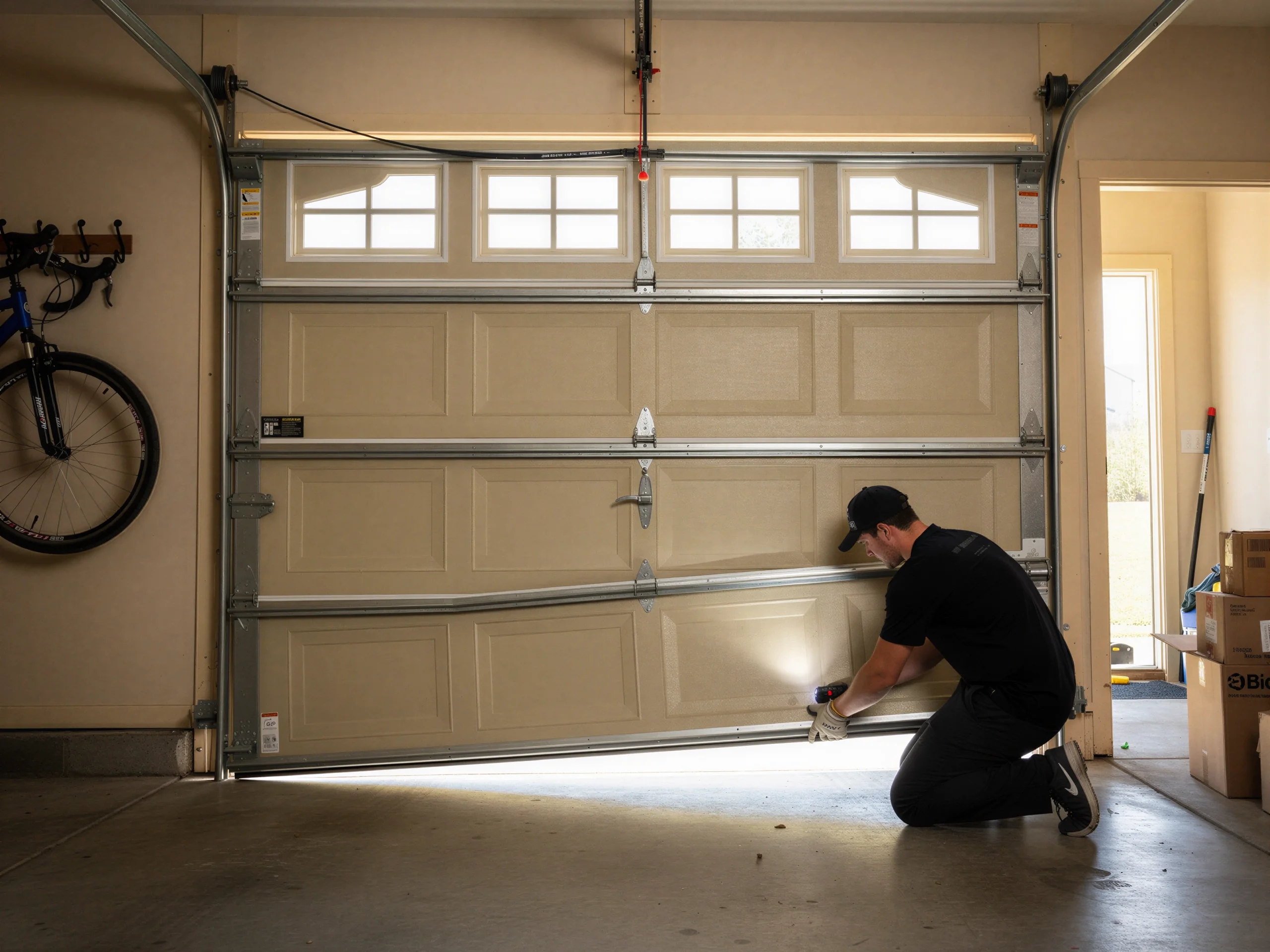
The opener runs but the door barely moves, or reverses partway up - that's usually a spring that's lost tension gradually rather than snapped outright, which happens slower here than in harsher climates but still happens.
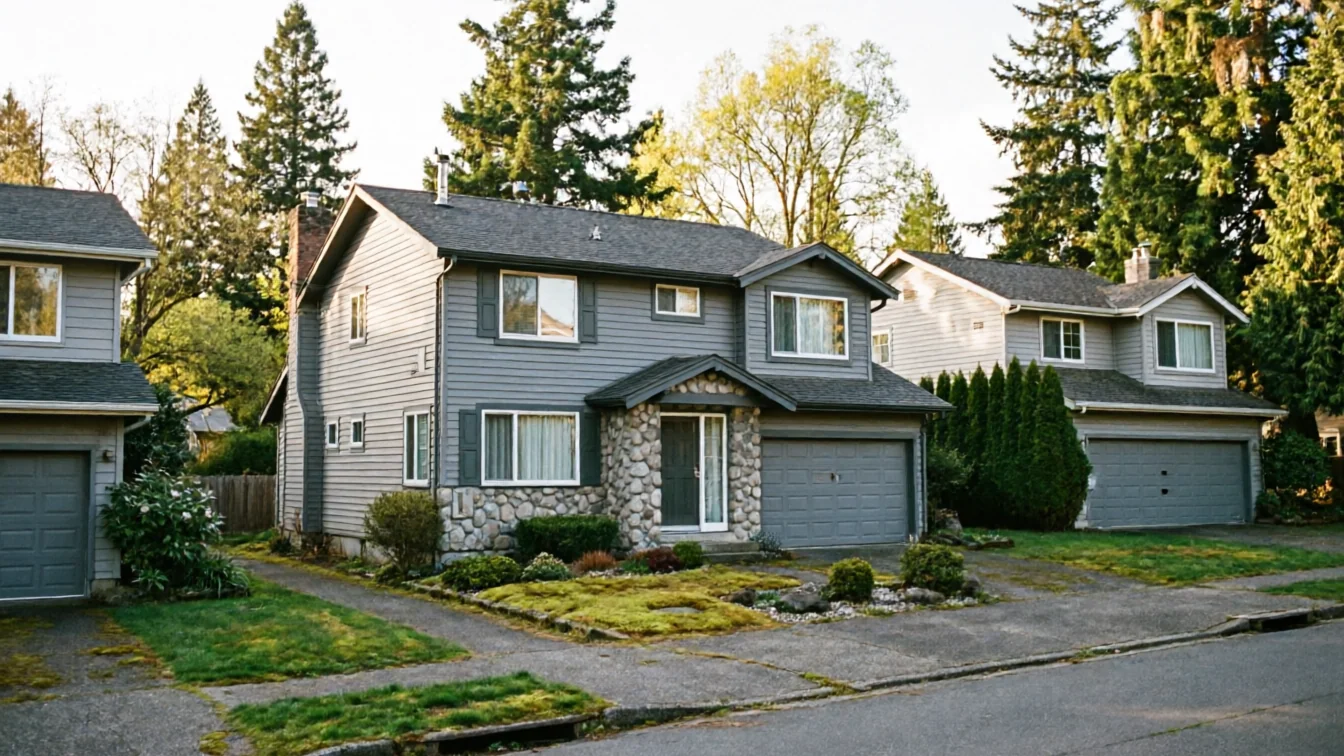
Happy Valley, OR
Garage door repair for Happy Valley, OR homes built 1964-2003. We diagnose springs, cables, openers, and tracks sized for the original hardware in this housing stock.
The repair
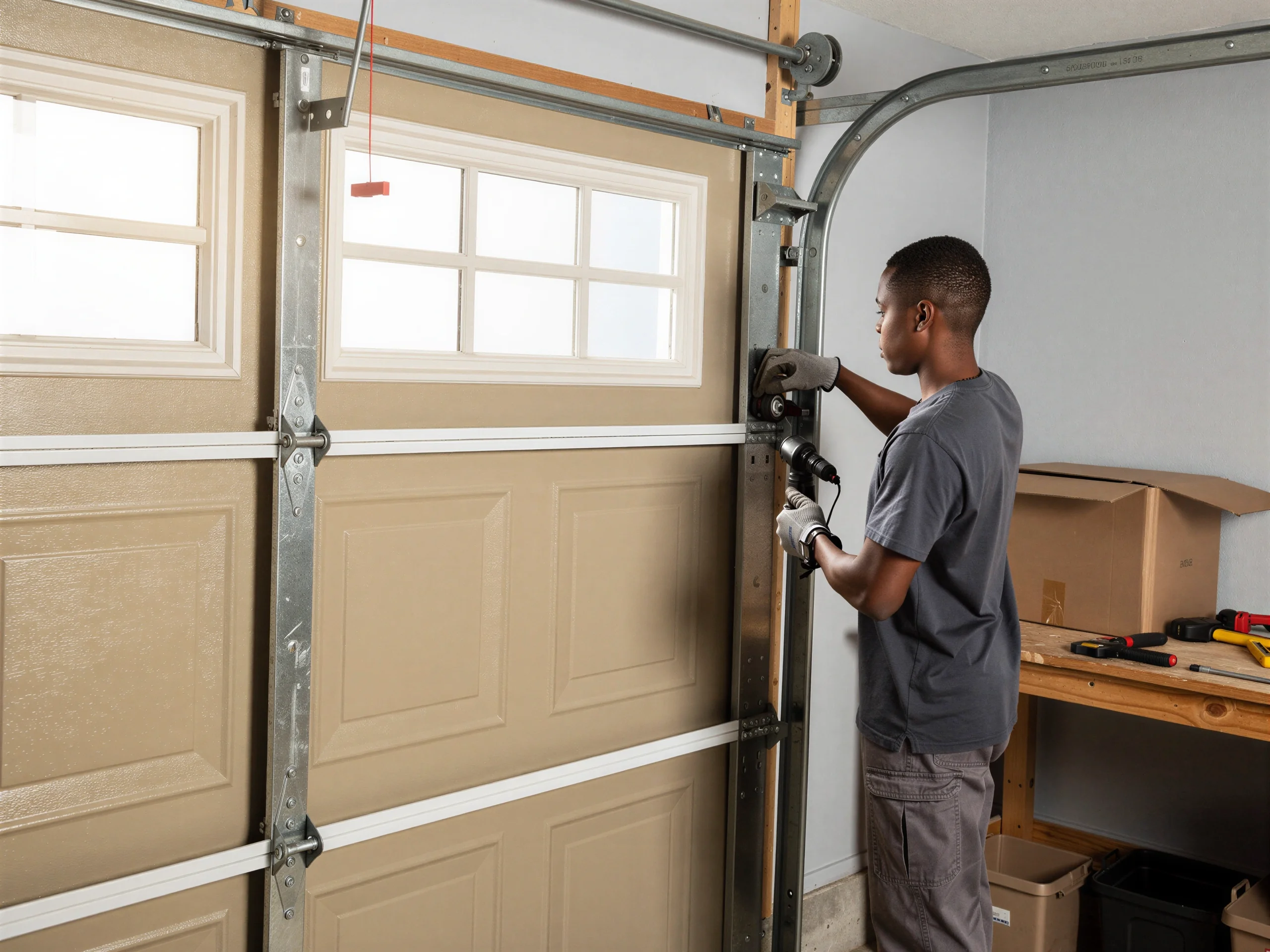
A repair call starts with the door itself, not the opener. We check spring tension first, because a weak or broken torsion spring is what makes an opener strain and eventually burn out - and in a town where most houses went up between 1964 and 2003, with the median sitting around 1978, that spring is often the original.
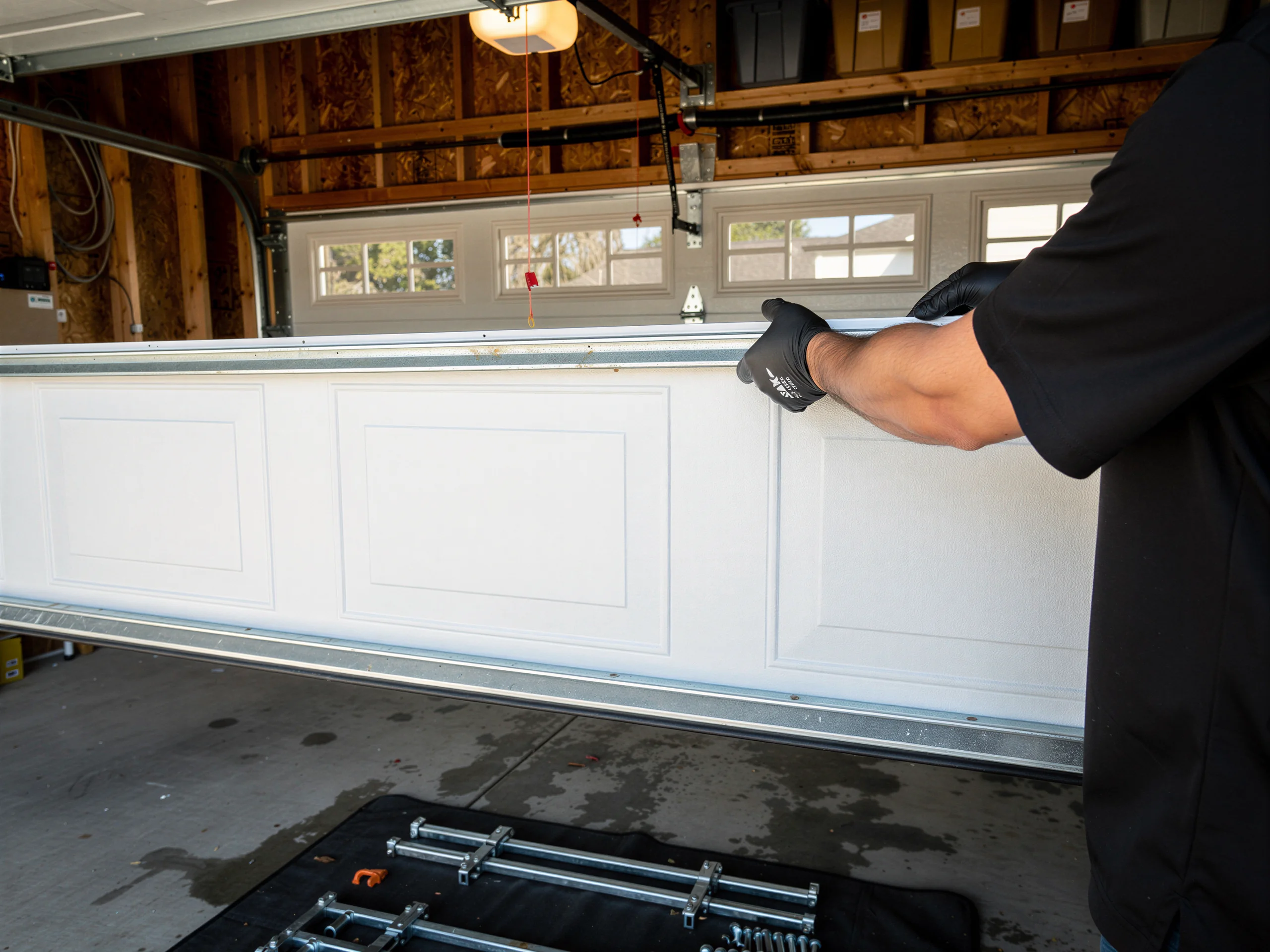
We pull the door by hand with the opener disconnected, watch for binding at the rollers, and check whether the track is still square to the jamb. If the door was installed before double-wall steel panels became standard, we also check panel seams for rust-through before we touch anything electrical.
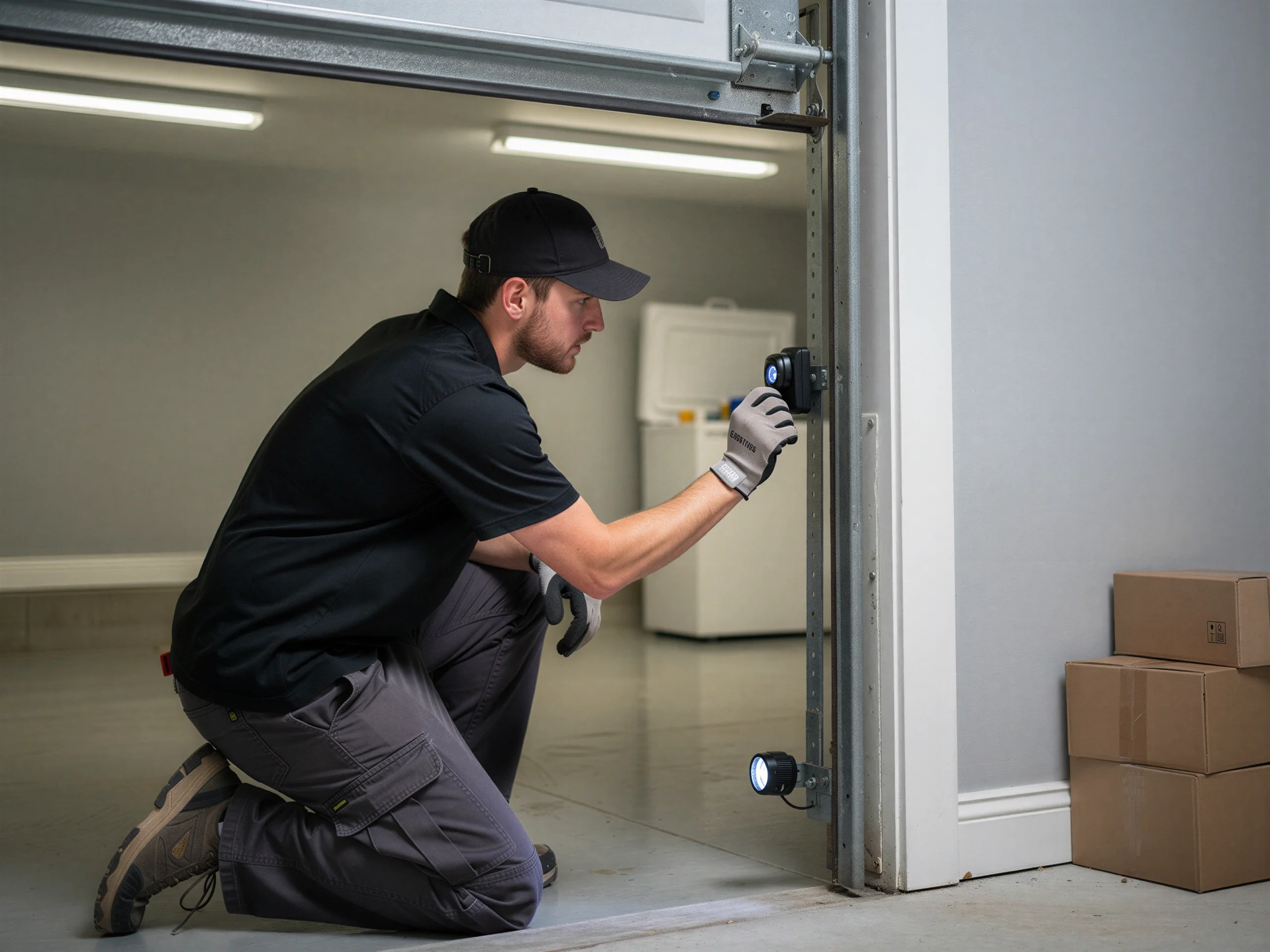
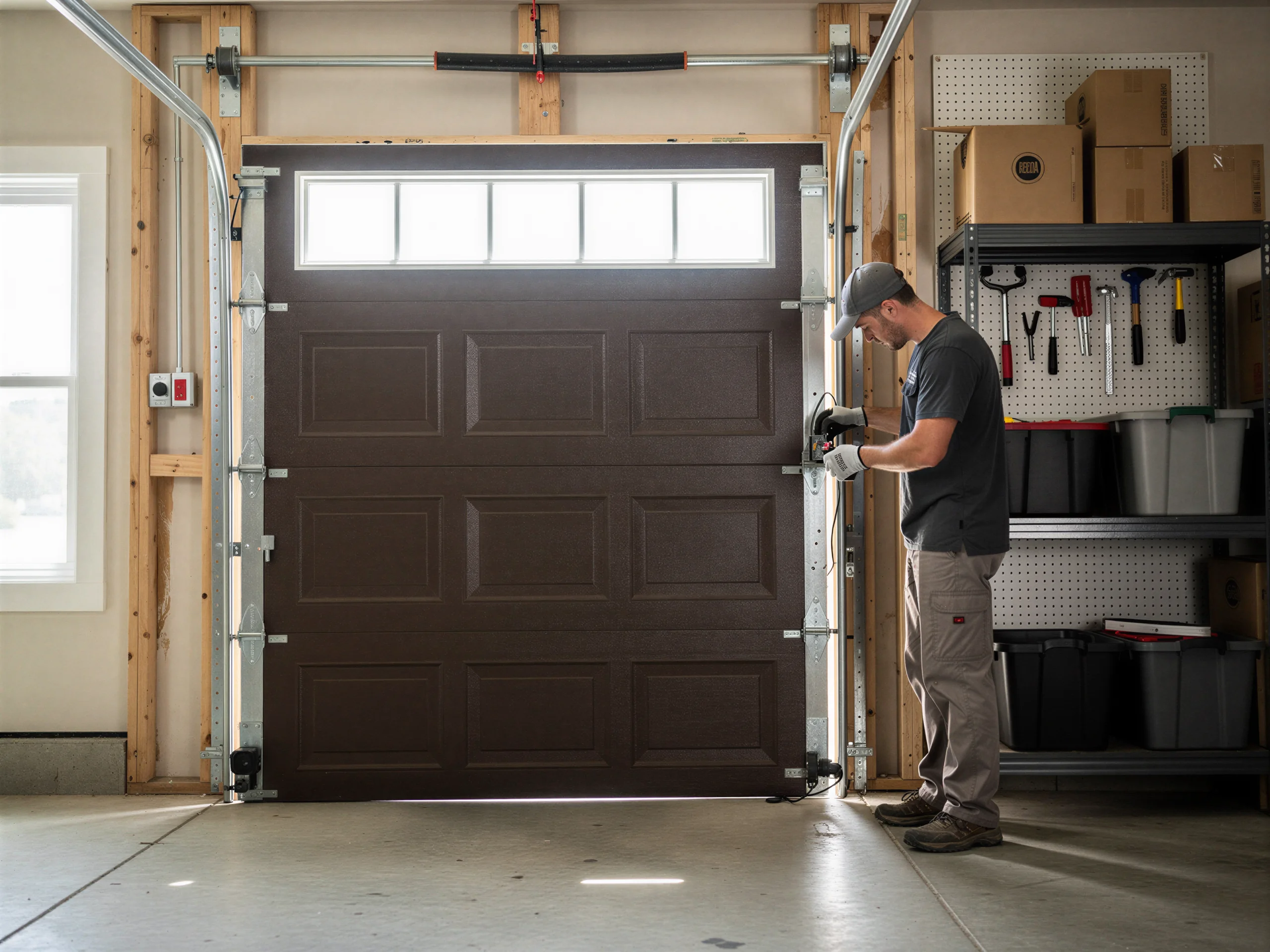
Once the mechanical side is sound, we move to the opener: travel limits, force settings, and the safety reversal sensors. We don't replace a part because it's old; we replace it because it's measurably worn or because leaving it means a callback in six months.
On a typical job that's a spring swap, a cable replacement, or a track realignment - not all three. If the door is original to a 1970s build and the drum, spring, and track are all failing at once, we'll tell you straight that repair is throwing money at a door that needs replacing.
Warning signs
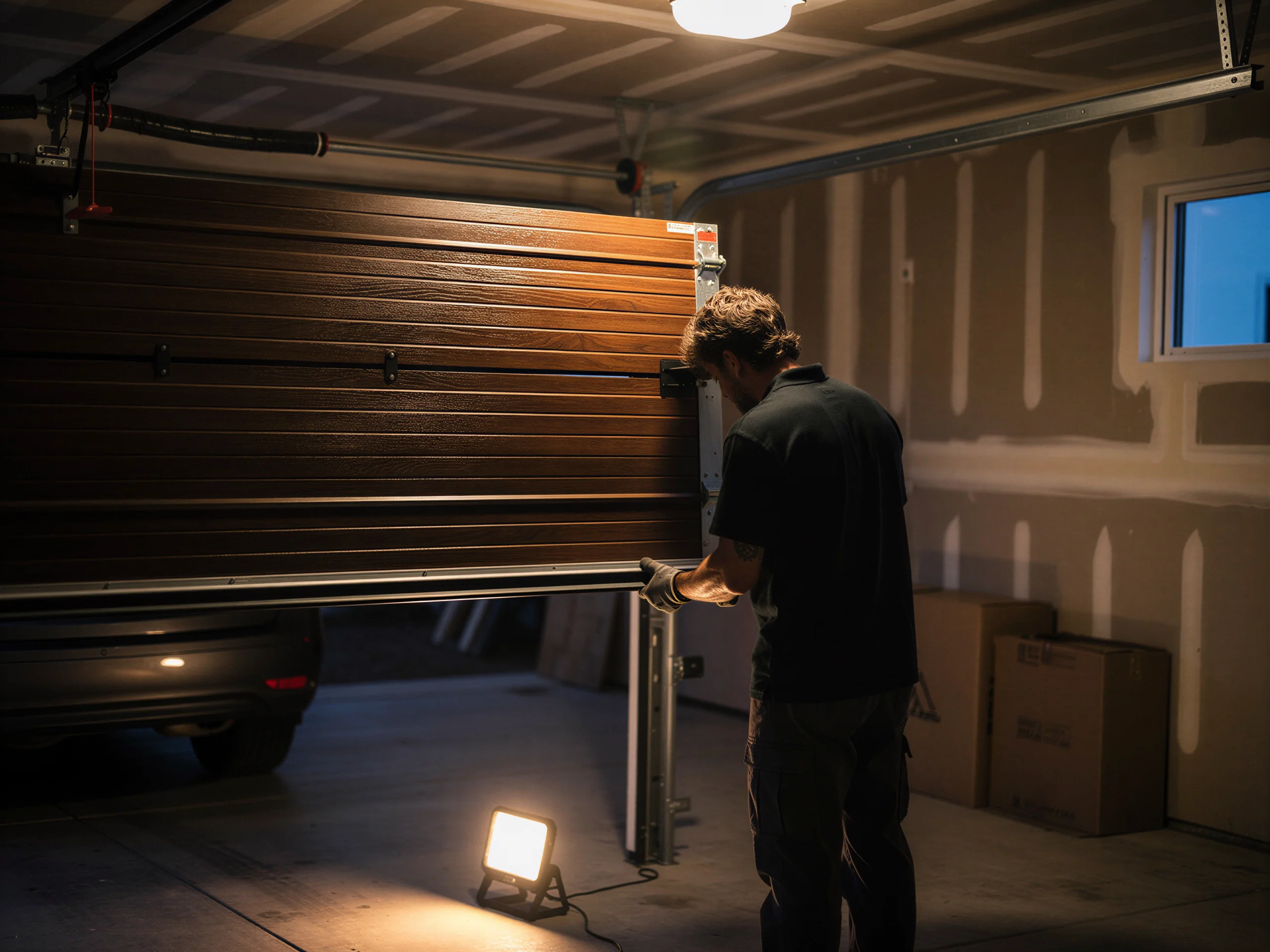
Most calls start with one of a few patterns. The door won't budge and there's a loud bang from the garage - that's a torsion spring letting go, common on doors original to houses built in the 1960s and 70s that make up most of this area's stock.
The opener runs but the door barely moves, or reverses partway up - that's usually a spring that's lost tension gradually rather than snapped outright, which happens slower here than in harsher climates but still happens.
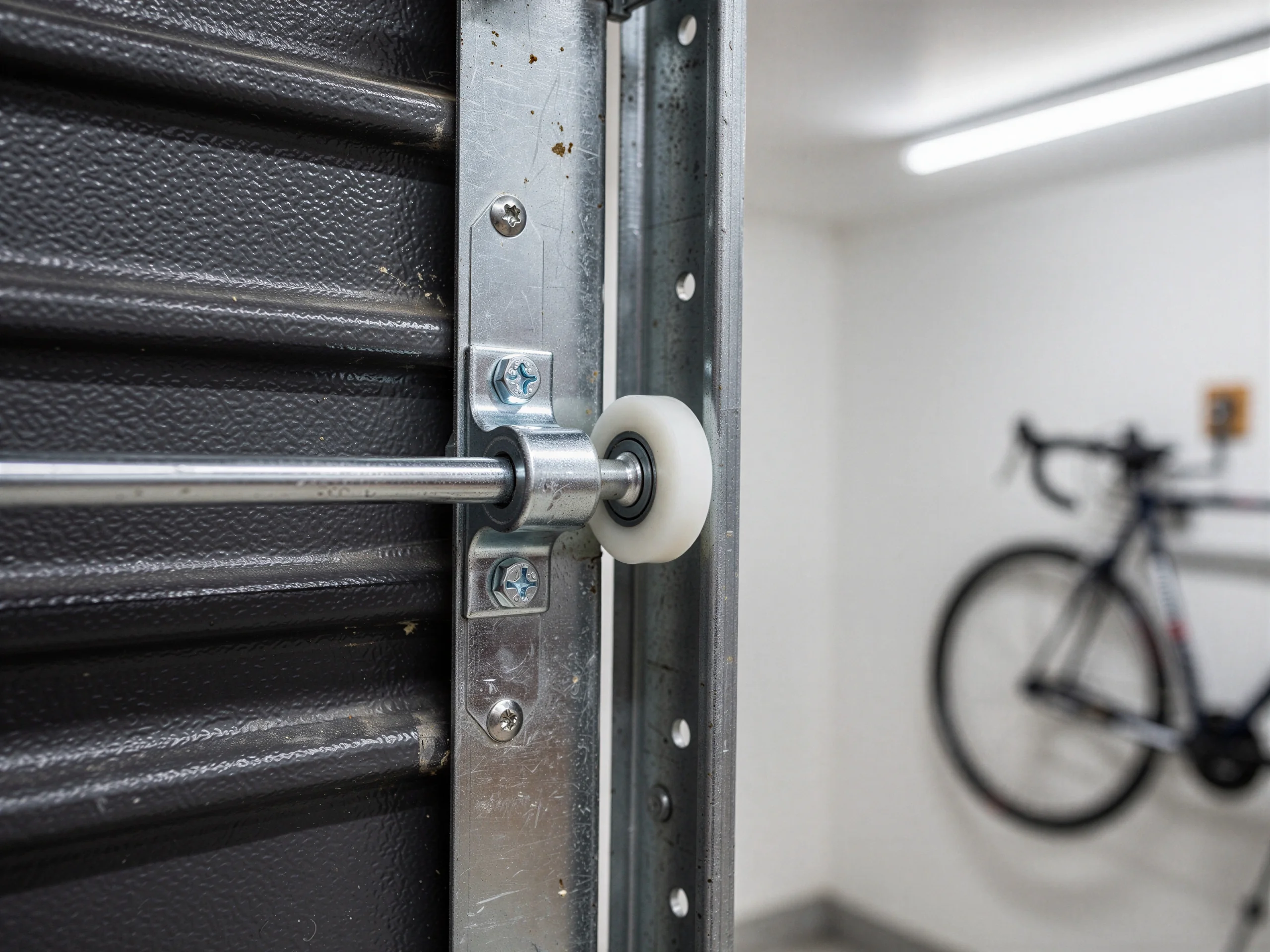
Grinding or popping as the door travels points to a roller or hinge that's worn past spec, often on original hardware that's never been swapped. A door that's heavy to lift by hand with the opener disconnected means the spring is carrying less weight than it should.
If you're hearing a scrape right where the track bolts to the jamb, that's usually a bracket that's worked loose over decades of use, not a new problem - just one that's been building slowly on a house built before 2003.
On the truck
Serving Happy Valley, OR
We stock torsion springs and extension springs sized for the systems that went into houses built across Happy Valley's 1964-2003 build window, along with the galvanized cable and roller sizes that match that era's track widths. Hardware here doesn't rust fast - the climate stays mild with only occasional freeze nights - but galvanized coating still matters, because repeated freeze-thaw cycles on bare steel cable strands are what cause fraying at the drum, even if it's only a handful of nights a winter. We carry standard travel-limit and safety-sensor kits for openers common to this housing stock, plus replacement rollers in nylon and steel. What we don't keep on the truck is parts for openers that were discontinued decades ago with proprietary drive systems - those sometimes mean a short special-order wait, and we'll tell you up front if that's the case rather than guess at a fit.
Local causes
Happy Valley's housing is concentrated in a narrow build window, 1964 through 2003, with a median around 1978 - and that matters because torsion springs are rated for a fixed number of open-close cycles, typically good for a decade or two of daily use, not forty years. Across the 24 named areas that make up this stretch of homes, the pattern repeats: original hardware, original spring, original track, all aging together. The climate here is mild with only occasional freeze, which is gentler on steel than a harsher winter would be, but it's not zero - the handful of freeze nights each year still stiffen grease in bearings and shrink metal just enough that an already-worn part finally gives. With 44,493 owner-occupied houses across this service area, a large share of them sitting past the midpoint of their original spring's rated life, spring failure isn't a random event here - it's a predictable one tied directly to when the neighborhood was built.
Questions
Torsion springs fail by cycle count, not by age alone. A lot of Happy Valley houses were built between 1964 and 2003 with springs that are still original, and those springs have simply used up their rated number of open-close cycles. The break often looks sudden because the spring was already near the end of its life.
We stock springs, cables, and rollers sized for the hardware common in homes built here between 1964 and 2003. Some discontinued opener models with proprietary parts need a special order, and we'll tell you that up front rather than force a fit that won't hold.
This area stays mild with only occasional freeze, so it's not the deep-cold strain you'd see elsewhere. But a few freeze nights a year is enough to stiffen hardware grease and finish off a roller or spring that was already worn, which is why sticking often shows up right after a cold snap.
Explore more
Ready when you are
Happy Valley Garage Door Pros repairs and installs garage doors, springs and openers in Happy Valley, OR and the surrounding area.