
What Your Garage Door Needs, Based on When Happy Valley Was Built
Happy Valley homes mostly date 1964-2003.
Read moreBlogHappy Valley, OR · 4 min read
Most Happy Valley homes went up between 1964 and 2003. Here's what that building era and our mild-with-freeze climate mean for your garage door and spring.
Local detail
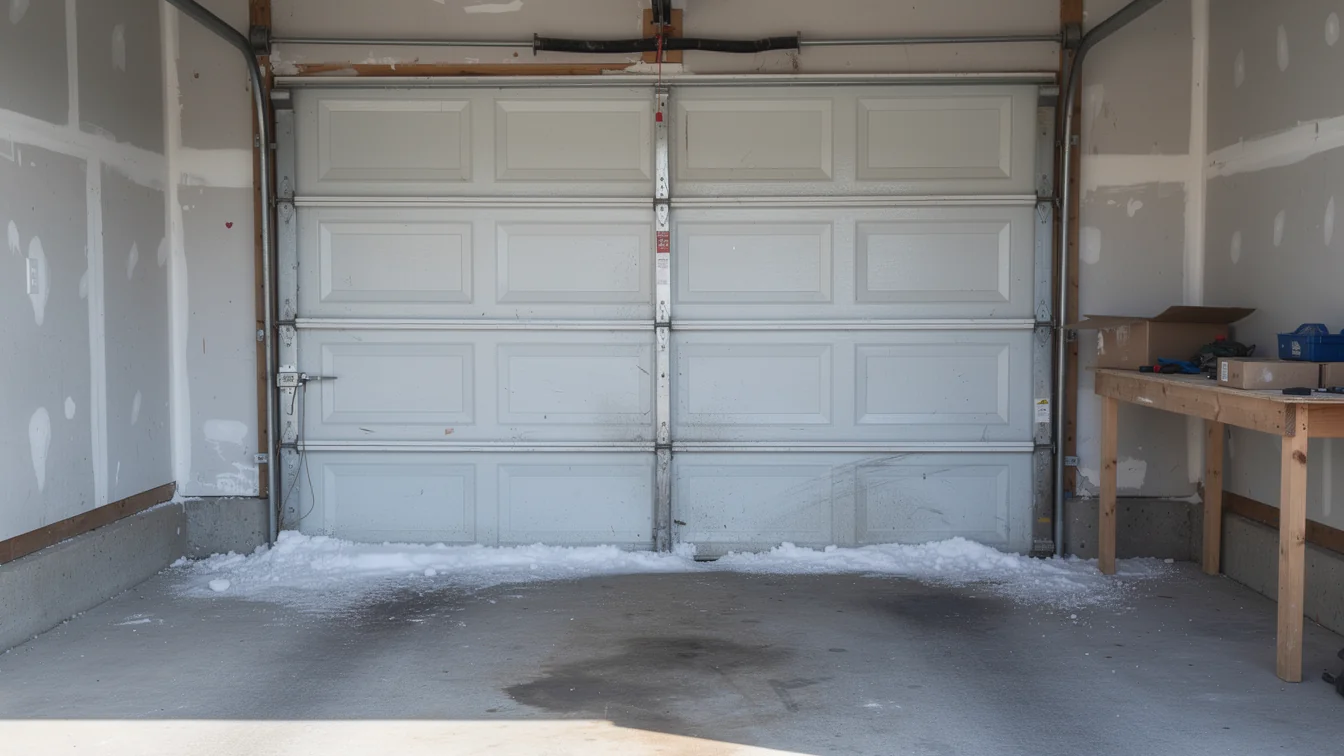
Happy Valley's housing stock runs mostly 1964 to 2003, with the median build landing around 1978. That's a wide window, but it matters for the door in front of you. A house from the late 60s or early 70s likely still has its original torsion spring setup or a replacement from decades back, often sized for a lighter wood panel door that's since been swapped for a heavier steel or insulated model. If your door feels harder to lift than it used to, or the opener strains and reverses on the way down, that mismatch between an old spring and a newer door is usually the first thing to check.
Newer builds in the later part of that range, closer to 2000, tend to have factory torsion systems sized correctly for the door installed, so the issues there are more often worn rollers or a cable starting to fray than a spring picked for the wrong door. Either way, start at the spring and the cable drum before you assume the opener is the problem. Across the 24 named areas that make up this part of the county, the mix of decades means no two streets have quite the same hardware history, so don't assume your neighbor's fix matches yours.
The area
This area sits in a mild climate band with occasional freeze, not the deep-freeze cycles you'd plan hardware around, but enough cold mornings that grease thickens and metal contracts. On a door with original 1970s-era hardware, that shows up as a spring that sounds tight and squeaky on cold mornings and loosens up by afternoon. It's not damage, but it's a sign the lubrication is past due, and on an older torsion spring it's worth having someone look at wear rather than just oiling the squeak away.
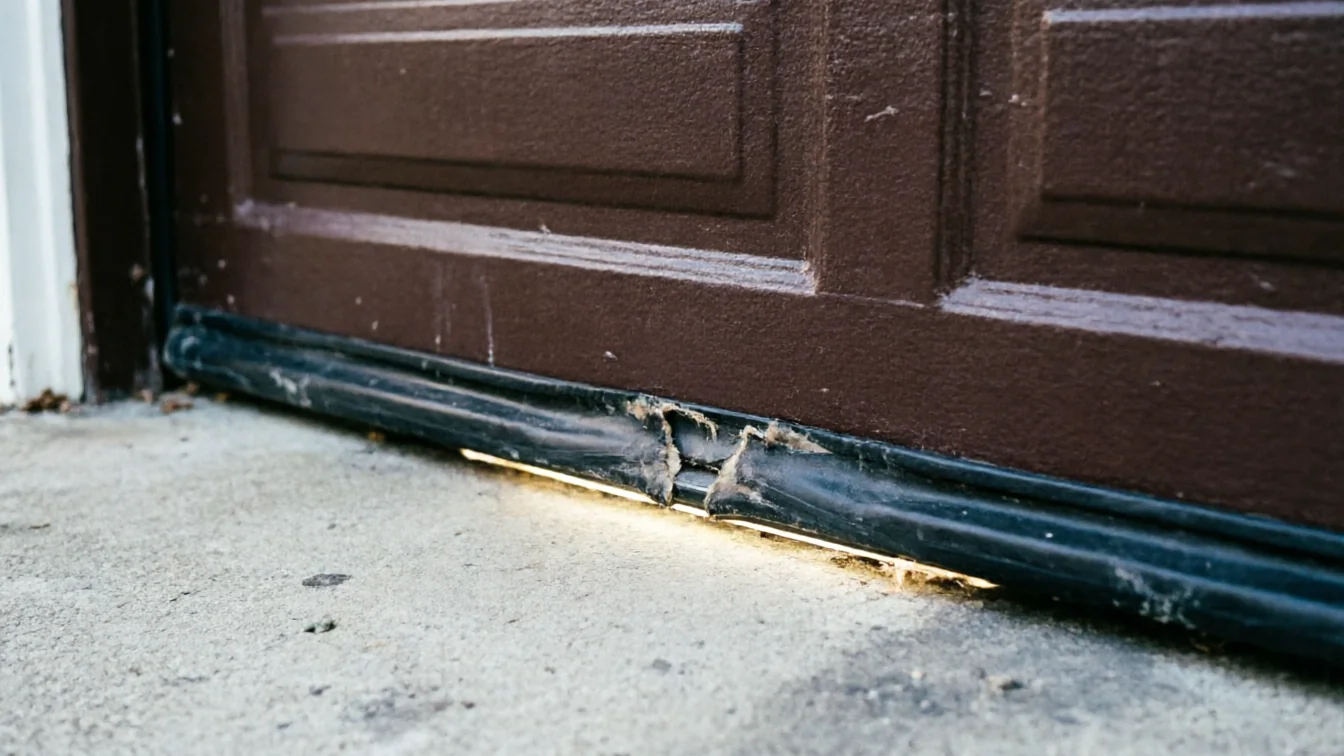
Because freezes here are occasional rather than constant, a lot of doors were never fitted with cold-rated seals or heavier bottom weatherstripping, since for most of the year it isn't needed. The gap shows up on the handful of nights a year when temps drop hard enough to shrink the rubber seal and let a draft or thin ice line form along the bottom panel. That's a seasonal annoyance here, not a structural one, and replacing a bottom seal is a small job, not a sign your door is failing.
What we find
The mistake I see most in this area is treating 'mild climate' as 'no maintenance needed.' Because hard freezes are occasional rather than routine, people skip the yearly lubrication and hardware check that keeps an older spring and cable system working the way it should. On a door that's been in place since the 1970s or 80s, that neglect catches up fast - a spring that's gone quiet under light surface rust can still snap, and when it does on a door this old, it often takes the cable drum or a track bracket with it.
The other common mix-up: assuming a door built when the median home here went up, around 1978, still matches current opener safety standards. It doesn't. Auto-reverse sensors and manual disconnect features on openers from that era are often missing or outdated, and that's a safety gap worth fixing even if the door itself still opens and closes fine.
How we work
This part of the county has roughly 87,301 households and about 44,493 owner-occupied houses, with a median household income near $103,015. That's a market where people tend to pay for a proper repair rather than a patch, and it shows in what gets asked for: full spring replacement sized correctly for the current door, not a stopgap. Within a few miles you've got Damascus, Oatfield, Gladstone, and Jennings Lodge, all built out in roughly the same decades with the same hardware quirks, so the patterns here aren't unique to one street.
One honest limit: if your door and opener both date back to the earlier end of that 1964 build window, sometimes the math doesn't favor a repair. Parts for some of that original hardware are on long lead times or no longer made, and at that point a full door and opener swap costs about the same as chasing parts for a system that's going to need the next thing fixed in a year anyway. I'll tell you when that's the case instead of running up a repair bill on a door that's better off replaced.
Questions
Not special, but age-appropriate. A 1970s door likely runs on original or older-replacement torsion hardware sized for a lighter panel than what's probably on it now. Have the spring tension checked against the actual door weight rather than assuming the original setup still matches.
Not usually. This area sits in a mild band with only occasional freeze, so heavy cold-rated weatherstripping isn't standard. A basic bottom seal in good shape handles the handful of cold nights a year fine - just replace it when it's cracked, not before.
Sometimes, sometimes not. If the opener and spring hardware both date to the early end of the local build range, parts can be hard to source and slow to arrive. At that point a full replacement often costs about the same as chasing down old parts and lasts a lot longer.
If your home falls near the median build year here, around 1978, check whether the opener has auto-reverse and a visible manual disconnect. Many openers from that era lack both, which is a real safety gap even if the door still opens and closes without trouble.
Recommendation
More garage door guides for Happy Valley homeowners.
Happy Valley homes mostly date 1964-2003.
Read more
In Happy Valley homes built mostly between 1964 and 2003, deciding whether to repair or replace a garage door depends on the hardware era and the mild, damp Pacific Northwest climate here.
Read more
Happy Valley homes mostly date from 1964 to 2003, so garage door hardware ages on the same timeline.
Read moreReady when you are
Happy Valley Garage Door Pros repairs and installs garage doors, springs and openers in Happy Valley, OR and the surrounding area.