
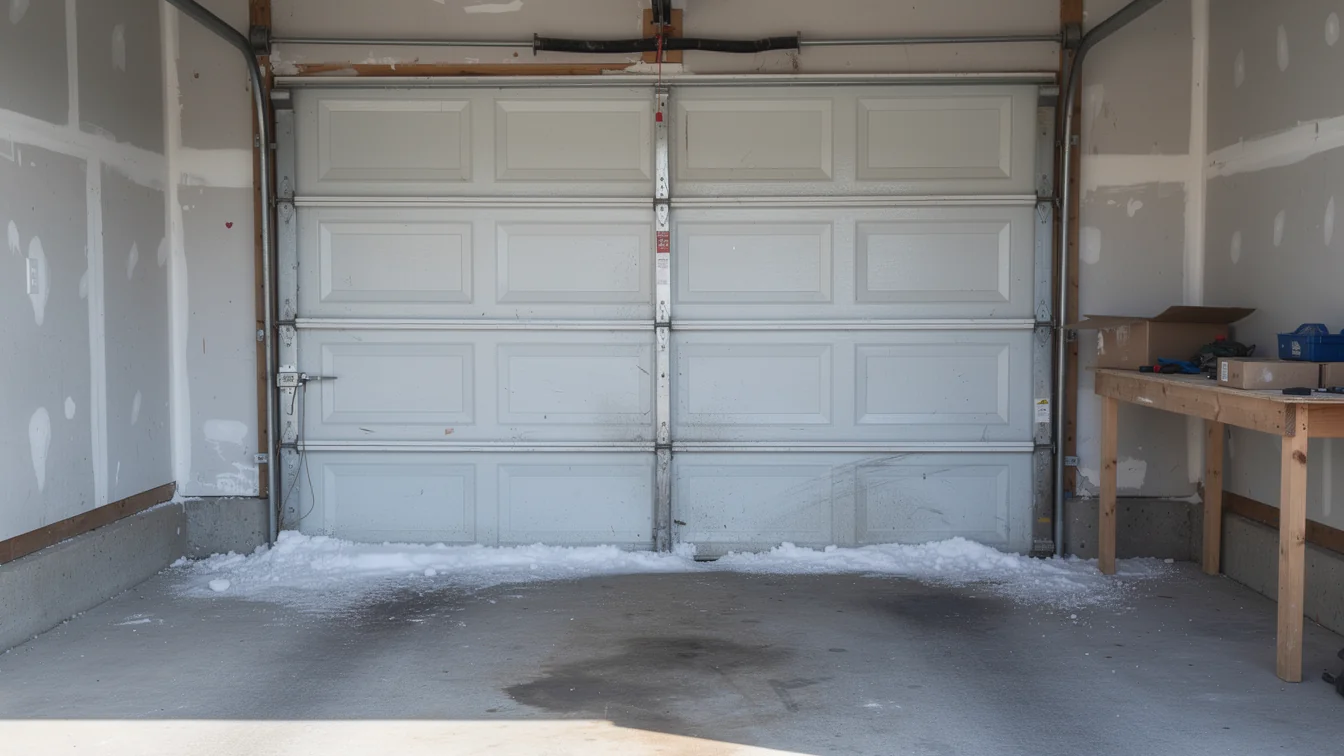
What a 1978-median build year means for your garage door
Most Happy Valley homes went up between 1964 and 2003.
Read moreBlogHappy Valley, OR · 4 min read
Happy Valley homes mostly date 1964-2003. Here's what that building era and our mild, occasional-freeze climate mean for your garage door, spring, and opener.
Local detail
Most houses in this part of Clackamas County went up between 1964 and 2003, with the median landing around 1978. That spread matters because it covers three very different eras of garage door hardware. If your place is on the older end, near 1964-1975, you're likely looking at a door with a single torsion spring on a center bracket, or possibly extension springs along the horizontal track - both designs that are decades past their expected cycle count by now. Homes built closer to the 1990s or 2000s usually got dual torsion springs and steel rollers as standard, which hold up better but still wear out the nylon bushings and the end bearing plates over time.
Start by looking at the spring itself - torsion springs sit on a shaft above the door, extension springs run along the tracks. If you see a visible gap in the coils, that's a spring that's failed or about to. Next check the cables for fraying near the bottom bracket. These two items cause most of the emergency calls we see, and which one you have depends almost entirely on when the house was framed.
The area
Happy Valley sits in a mild climate band with occasional freeze - not the deep freeze-thaw cycles that crack concrete aprons in colder states, but enough cold snaps to matter for anything with moving metal parts. Lubricant that's fine in August can stiffen up on a 28-degree morning, and that stiffness is what makes an aging spring snap instead of just creaking. It's not dramatic weather, just enough swing to catch a door that hasn't been serviced.
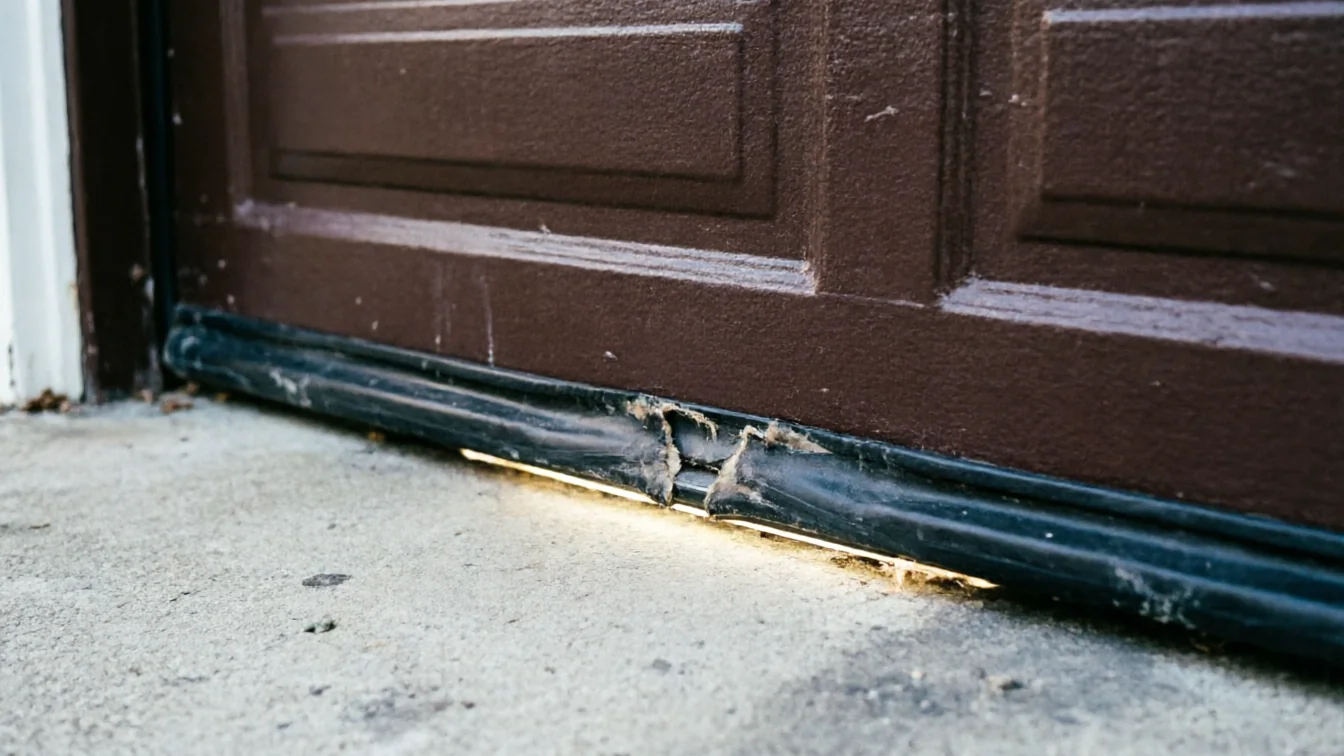
Homes from the 1964-1978 range often have steel panels with minimal weatherstripping by today's standard, and over 50-plus years the bottom seal hardens and shrinks. That's not really a freeze problem on its own, but it compounds one: a stiff seal plus a cold-stiffened spring means the opener motor works harder every single cycle, which shortens the life of the drive gear. None of this requires insulated doors or anything exotic - it just means the door needs to move freely, and freely is the first thing that goes when parts age past 20 or 30 years.
What we find
The most common mistake we see across the 24 named areas around here, from Damascus to Oak Grove to Gladstone, is treating a slow or noisy door as an opener problem when it's actually a spring or hardware issue tied to the home's age. People replace the opener, the door still drags, and now they've spent money without fixing anything.
The second mistake is assuming newer construction means newer hardware. A house built in 1998 still has 25-plus-year-old springs if nobody's touched them, and torsion springs are rated in cycles, not years - a well-used door can burn through that rating faster than people expect. With median household income in the service area around $103,015 and roughly half of the 87,301 households owning their home, a lot of folks here are maintaining a house they bought used, with hardware history nobody can verify. That's worth checking before assuming anything about age from the exterior siding alone.
How we work
Here's the honest part: we don't carry every spring size for every garage door made between 1964 and now. Some of the older extension-spring setups use parts that aren't stocked anywhere nearby, and if your door falls into that category, a repair can mean a short wait on a special order rather than a same-day fix. We'll tell you that up front rather than pretend otherwise.
For most homes in this area - the bulk of the stock from the 1970s through the 1990s - standard torsion spring sizes and roller types cover the job without delay. If you're not sure which category your door falls into, the easiest way to find out is to have someone look at the spring and track hardware directly rather than guessing from the age of the house alone. We work throughout this part of Clackamas County, including nearby Damascus, Oatfield, and Gladstone.
Questions
It depends more on cycle count than age, but for a house built in the 1960s-70s range common here, if nobody's replaced the spring, it's likely original and well past a safe lifespan. We'd want to look at the coil spacing and shaft wear before saying more.
We're in a mild band with occasional freezes, not heavy freeze-thaw cycles. The main effect is lubricant stiffening on cold mornings, which stresses an already-worn spring or cable. It's rarely the sole cause of a failure, but it speeds up problems that are already there.
Yes. A 1990s build still means springs that are 25-30-plus years old if they haven't been swapped, and torsion springs wear by cycle count, not by how new the house looks. Original hardware from that era is common and due for inspection.
For most doors from the common 1970s-1990s stock in this area, yes, standard sizes are available without delay. Some older extension-spring setups use parts we don't keep on the truck, and those can mean a short wait on a special order.
Recommendation
More garage door guides for Happy Valley homeowners.
Most Happy Valley homes went up between 1964 and 2003.
Read more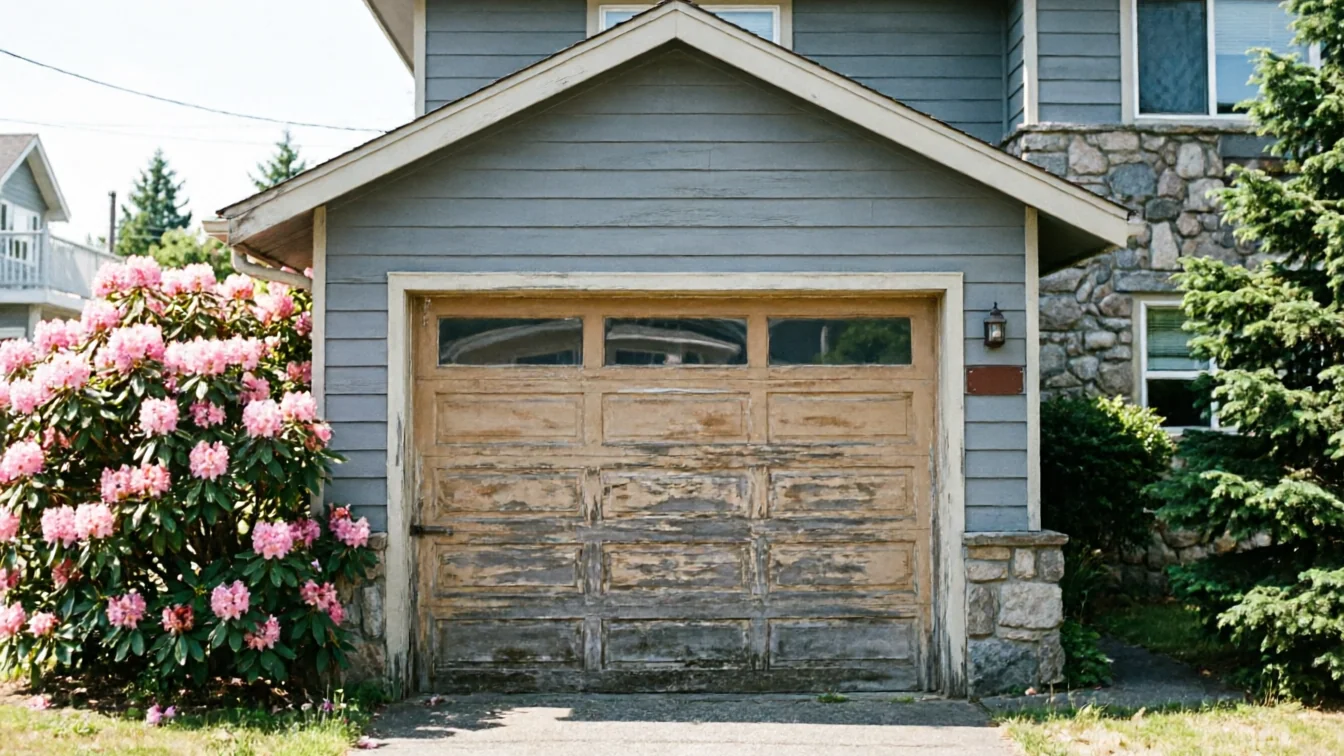
In Happy Valley homes built mostly between 1964 and 2003, deciding whether to repair or replace a garage door depends on the hardware era and the mild, damp Pacific Northwest climate here.
Read more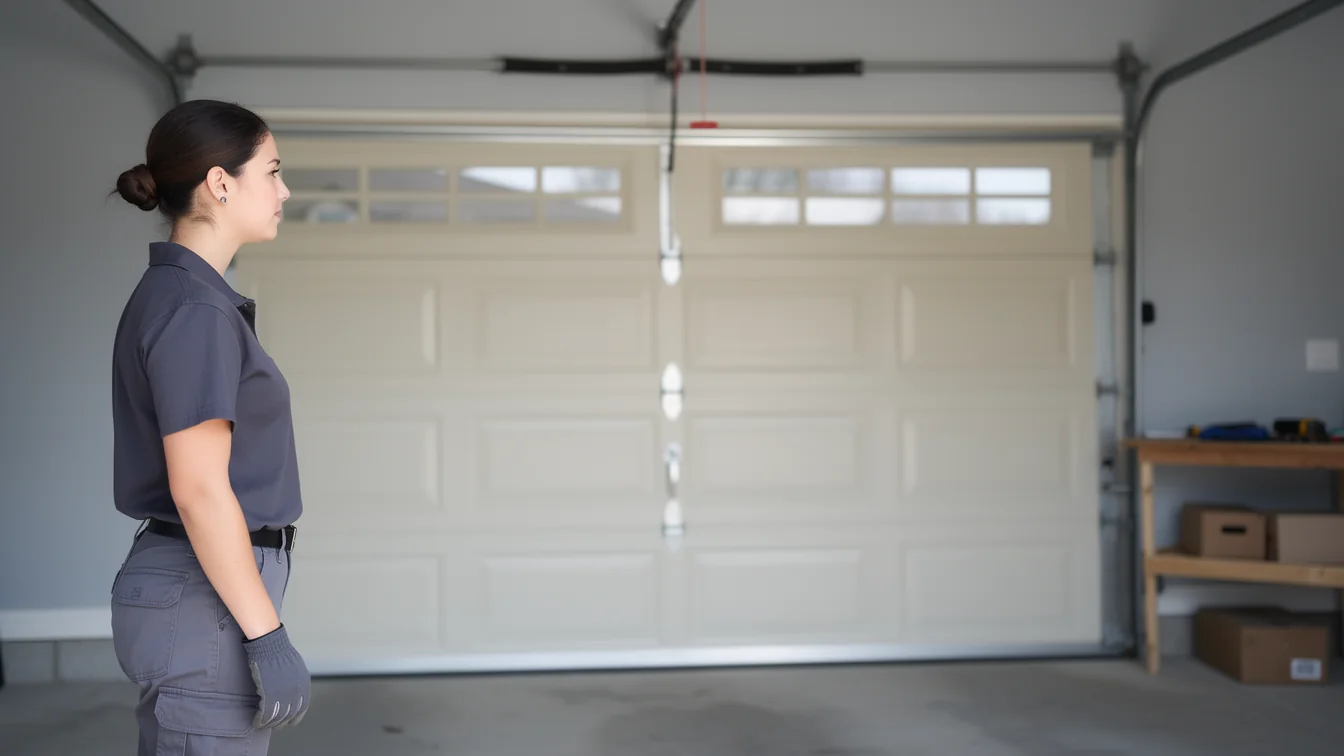
Happy Valley homes mostly date from 1964 to 2003, so garage door hardware ages on the same timeline.
Read moreReady when you are
Happy Valley Garage Door Pros repairs and installs garage doors, springs and openers in Happy Valley, OR and the surrounding area.