Happy Valley, ORSame-day service/Free estimates/Licensed & insured(503) 389-4712
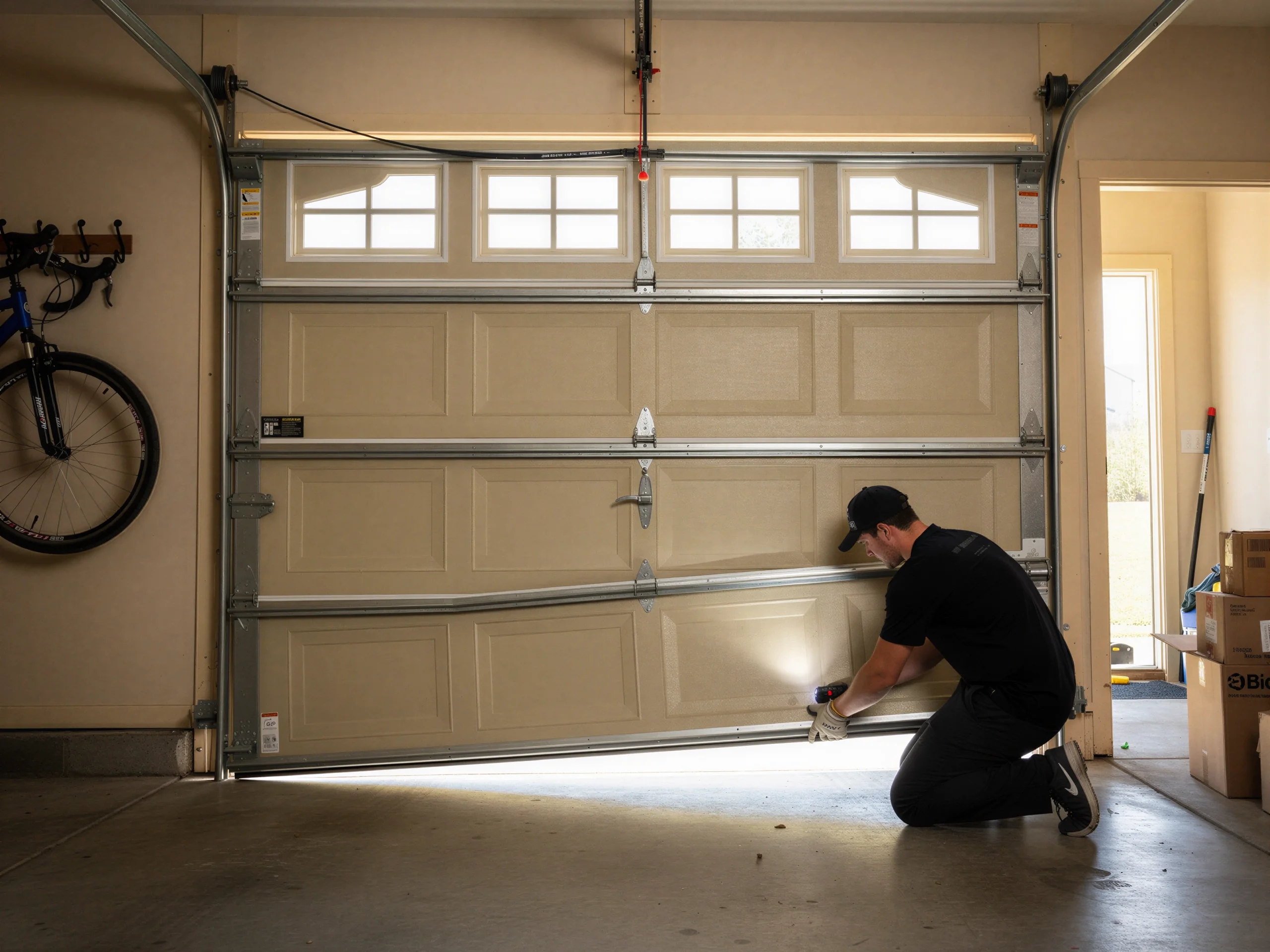
A technician kneels, inspecting a damaged beige garage door with a flashlight.

Sherwood, Happy Valley

Garage Door Repair for Sherwood's Late-90s Housing Stock

Sherwood homes mostly date to 1997, newer than the rest of our service area. We repair the torsion springs, openers, and tracks that fail in these newer builds.

Serving Happy Valley, ORBackground-checked techsHonest, upfront pricingFast local response

Local causes

Why This Fails Locally

Serving Happy Valley, OR

Sherwood's houses run newer than most of what we cover from Happy Valley. The median build year here is 1997, a good two decades past the service area's overall median of 1978. That gap matters more than it sounds like it should. A door and opener installed when a house goes up in the late 90s is now old enough to be failing on schedule, not from abuse or weather.

What that means in practice: the torsion spring on a factory-installed steel door is rated for a set number of open-close cycles, and a spring from 1997 has usually burned through that count by now. You get a door that feels heavier every month, then one morning it doesn't lift at all. It's not a fluke - it's the spring reaching the end of a life span that was always going to end somewhere in this decade.

Compare that to a 1960s house with original hardware that's already been replaced once or twice. Sherwood skipped that first replacement cycle because the houses are younger. Now a lot of them are hitting it at once.

On the truck

Parts We Carry

For a house from this era we're usually looking at a standard torsion spring sized to a builder-grade steel door, extension cables, and nylon or steel rollers that have worn their bores oval after twenty-some years of use.

Common springs and cables stocked

We carry common spring sizes and cable lengths on the truck so a straightforward spring job doesn't turn into a second trip. Opener parts are a different story. If your house still has its original chain-drive opener from the late 90s, the logic board or the safety sensor wiring is the likely failure point, and we carry sensor pairs and standard wiring harnesses.

Discontinued boards not stocked

What we don't carry is every discontinued circuit board for every opener brand sold that decade - some of those parts simply aren't made anymore, and when that's the case, replacing the opener costs less than hunting for the part and waiting on it.

Trim kits need ordering

We travel the 17 miles from Happy Valley with a stocked truck, but we're not a parts counter. If your specific trim kit or a cosmetic panel insert needs ordering, that's a lead time we'll tell you about up front rather than promise around.

DIY or pro

Can You Do This Yourself

Swapping rollers or tightening loose hinge bolts is reasonable weekend work if you're comfortable on a ladder and the door is already down and off its springs.

Torsion spring is risky

That part of this is not a trap. The torsion spring is. A spring sized for a standard steel door holds a lot of stored tension, and the winding bars and clamps used to work on it safely aren't something most garages have lying around.

Injury from releasing tension

People get hurt on this specific job more than any other part of a garage door, and it's almost always the same mistake - releasing tension without the right bars or without securing the shaft first.

Sensor checks suit DIY

Sensor and wiring issues on an opener are a better DIY candidate: check the sensor eyes for alignment and dust first, since that explains a surprising share of 'the door won't close' calls. If you're into the logic board or the wiring harness on an older unit, call us before you start pulling panels off.

If that's not it and you're into the logic board or the wiring harness, that's where we'd rather you call before you start pulling panels off a twenty-five-year-old unit with parts you can't easily source back.

Warning signs

What You Are Seeing

The door is heavy to lift by hand, or the opener strains and groans before it moves it at all - that's a spring losing its tension, not a motor problem, even though it sounds like the motor is the thing struggling.

Reversing door, check eyes

The door reverses partway up or won't close and backs off - on an opener from this era, check the sensor eyes near the bottom of the tracks first.

Dust and spider web

Dust, a spider web, or a knock out of alignment will do this, and it's the cheapest possible explanation before anything mechanical. A grinding or popping noise from the spring area, especially if it's gotten louder over a few weeks, usually means the spring is close to going.

Loud bangs mean stop

Loud bangs are worse - that's often a cable or a spring that's already failed, and the door is being held by less than it should be. If you hear that, leave the door down and don't force the opener to run it.

The repair

What the Fix Involves

A spring replacement on a standard steel door is a controlled job: release the old spring's tension safely, pull it, size and install the replacement, and balance the door so it holds position at waist height without the opener fighting it.

  1. Single spring typical

    On a house from this era that's usually a single torsion spring, sometimes a pair on a wider double door. For opener issues, we start with the sensors because they're the cheapest fix and the most common cause.

  2. Logic board or motor next

    If the sensors check out, we're into the logic board or the motor itself, and at that point we talk through whether a twenty-five-plus-year-old unit is worth repairing versus replacing outright.

  3. Balance and test everything

    We balance and test the whole system after any spring or cable work, not just the part that broke, because a door that's out of balance on one side will wear out whatever we just replaced faster than it should.

Watch-outs

The Complications

Houses built in the same stretch of years don't all get the same hardware. Builders in the late 90s used a handful of different door and opener brands depending on who was supplying the subdivision, so two houses a block apart in Sherwood can need different spring sizes or different sensor harnesses. We size on site rather than guess from the build year alone.

Sherwood sits in the same mild, occasional-freeze climate band as the rest of the area we cover, so you're not dealing with hard winter cold snapping springs the way colder regions see. What you do get, over two decades, is slow corrosion on cable ends and roller bores from condensation cycling through an unheated garage - less dramatic than a cold-weather snap, but it adds up the same.

One more thing worth saying plainly: if an opener's circuit board is discontinued and the part can't be sourced in a reasonable window, we'll tell you to replace rather than wait. Chasing a part that doesn't exist anymore isn't a service to you, it's a delay.
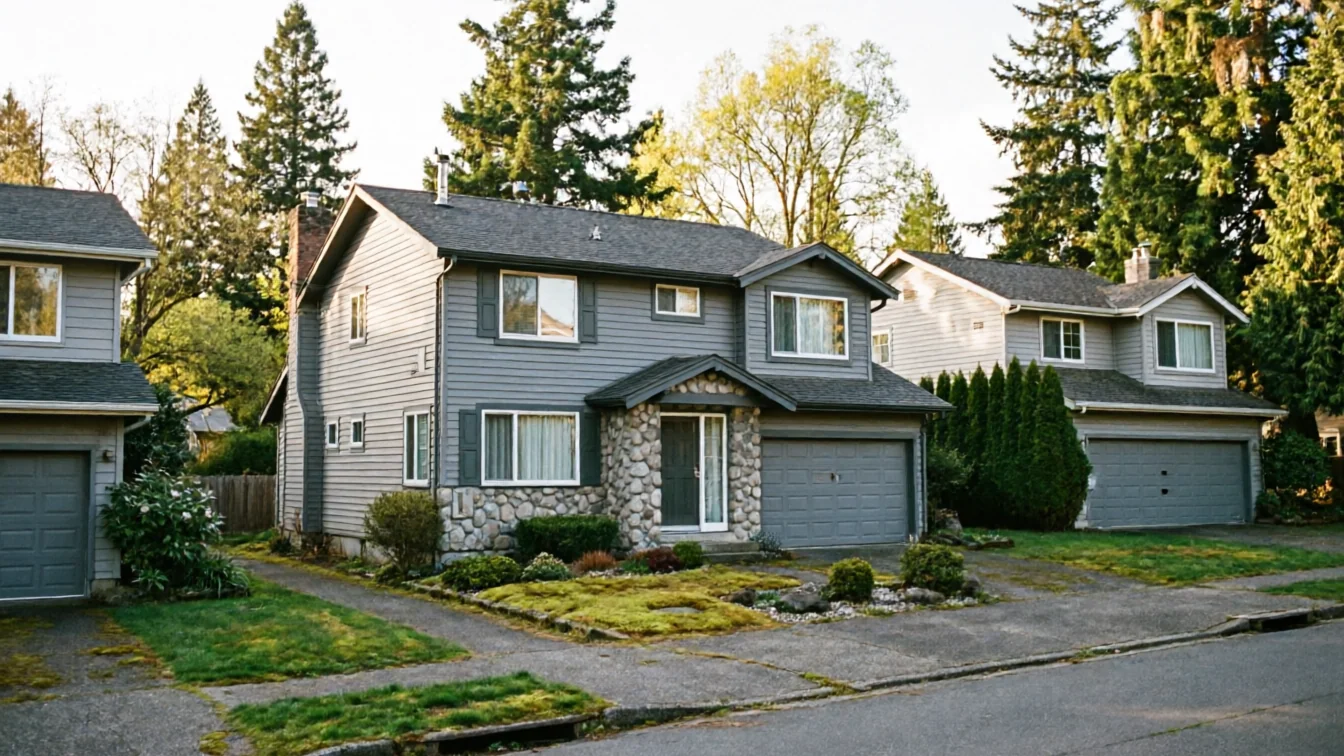
Three gray houses with gray garage doors line a street.

Questions

Common questions

Why does my spring keep breaking when the house isn't that old?

A spring is rated for a cycle count, not a calendar age, and most Sherwood houses are now old enough - median build year 1997 - that factory springs installed at construction are hitting that count. It's not a sign something's wrong with your door, it's the spring reaching the end of a life span set decades ago.

Do you have a shop in Sherwood?

No. We're based in Happy Valley and drive out to Sherwood, about 17 miles each way, with a stocked truck. We don't keep a branch or depot here, so we size and carry common parts on the vehicle rather than promising same-day on anything that needs special ordering.

Is it worth fixing my opener or should I replace it?

If the sensors or wiring are the issue, repair usually makes sense. If the logic board has failed on an opener from the late 90s and the part is discontinued, replacement is often the more practical call, especially given how long some of those boards have been out of production.

Will cold weather snap my spring here?

Sherwood is in a mild climate band with only occasional freezing, so hard cold snapping a spring outright isn't the typical failure here the way it is in harsher climates. The slower issue is condensation corroding cable ends and roller bores over many years of use.

Explore more

More Services in Sherwood

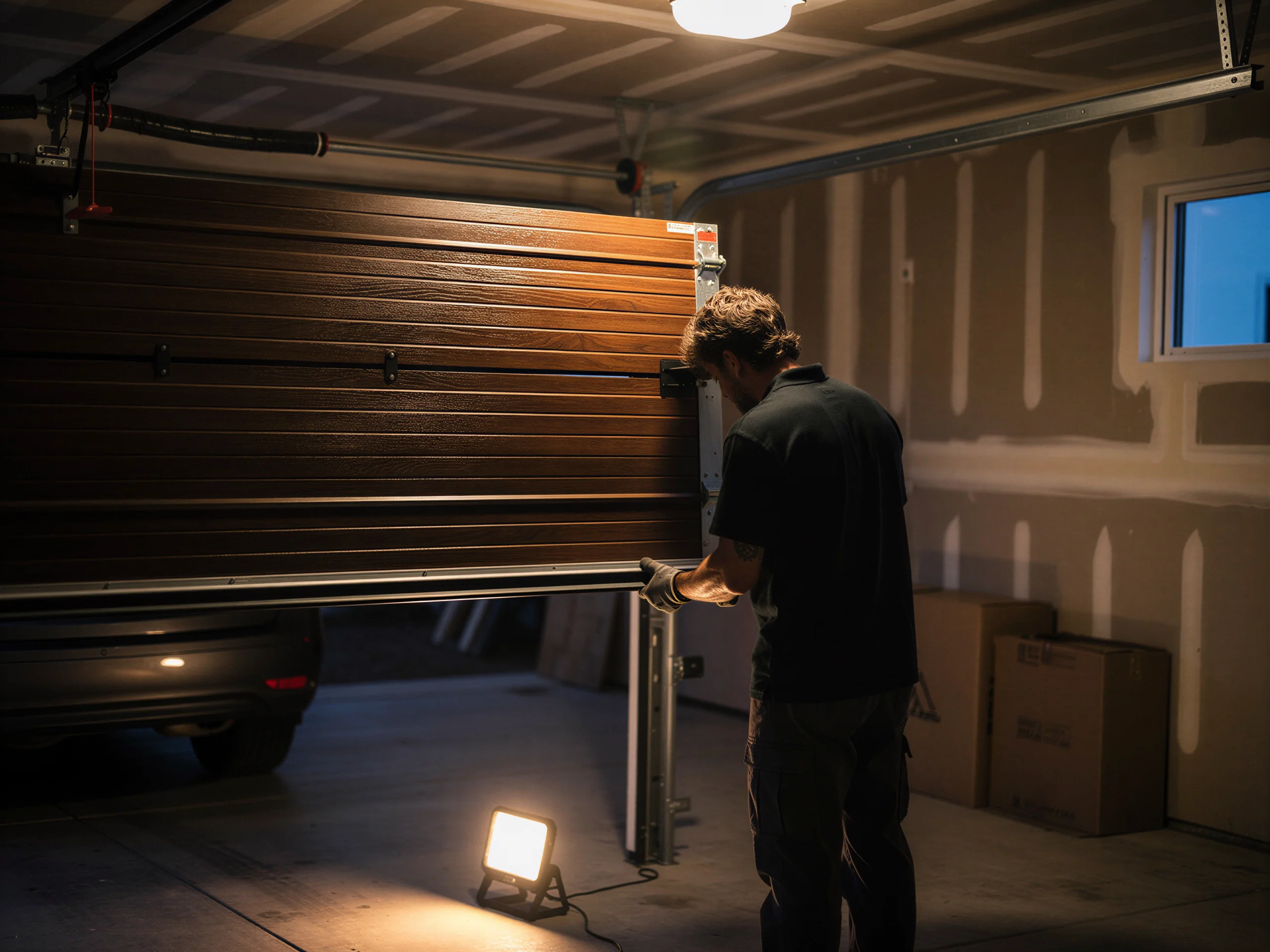
A technician works on a brown garage door in a garage with a car.

Emergency Garage Door

Sherwood's garage doors mostly date to the late 1990s, not the 1960s stock common nearby. Learn more →
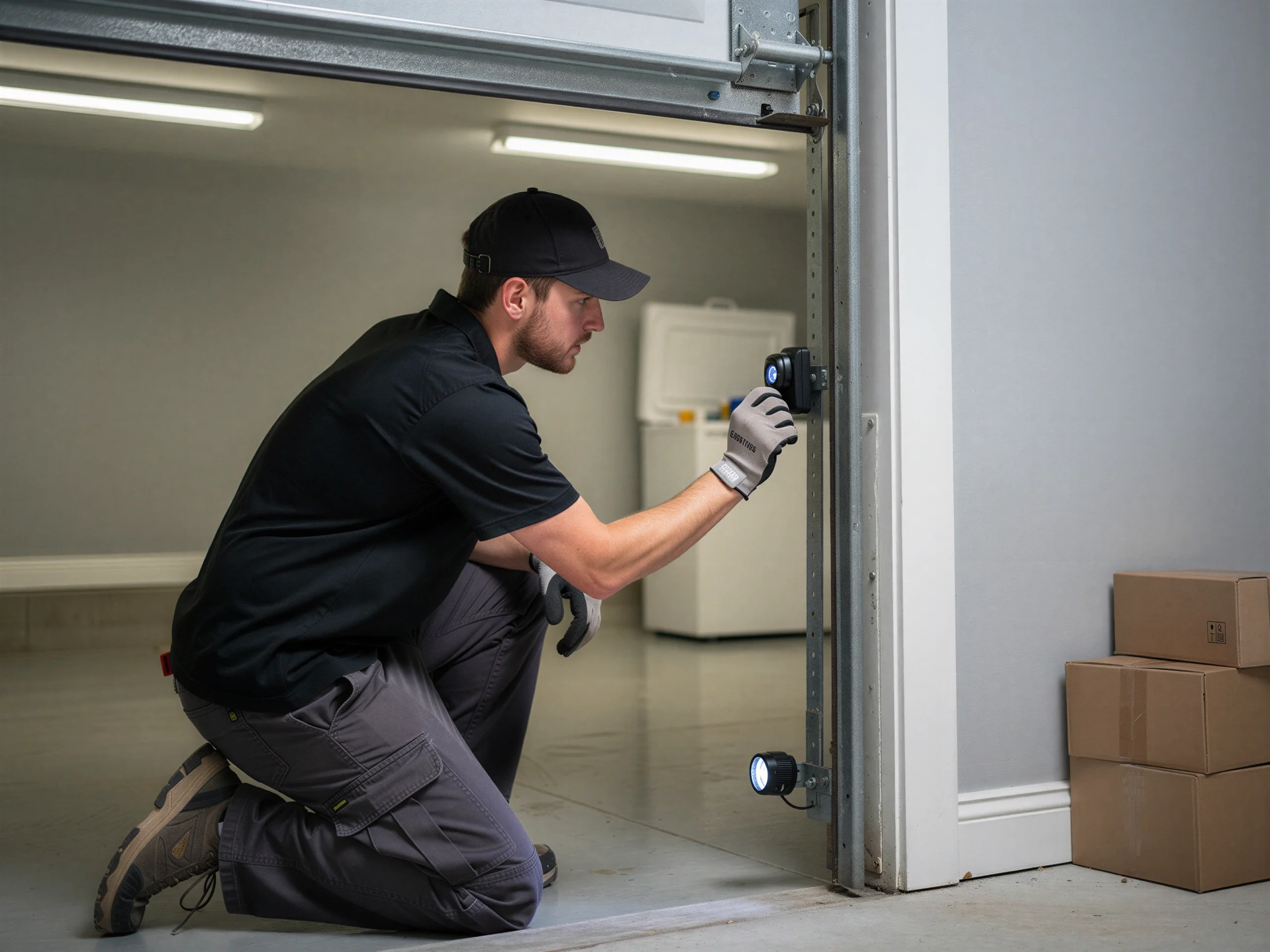
A technician kneels, inspecting the garage door safety sensors with a flashlight.

Garage Door Service

Garage door repair for Sherwood's 1990s-era homes, covered from Happy Valley. Learn more →
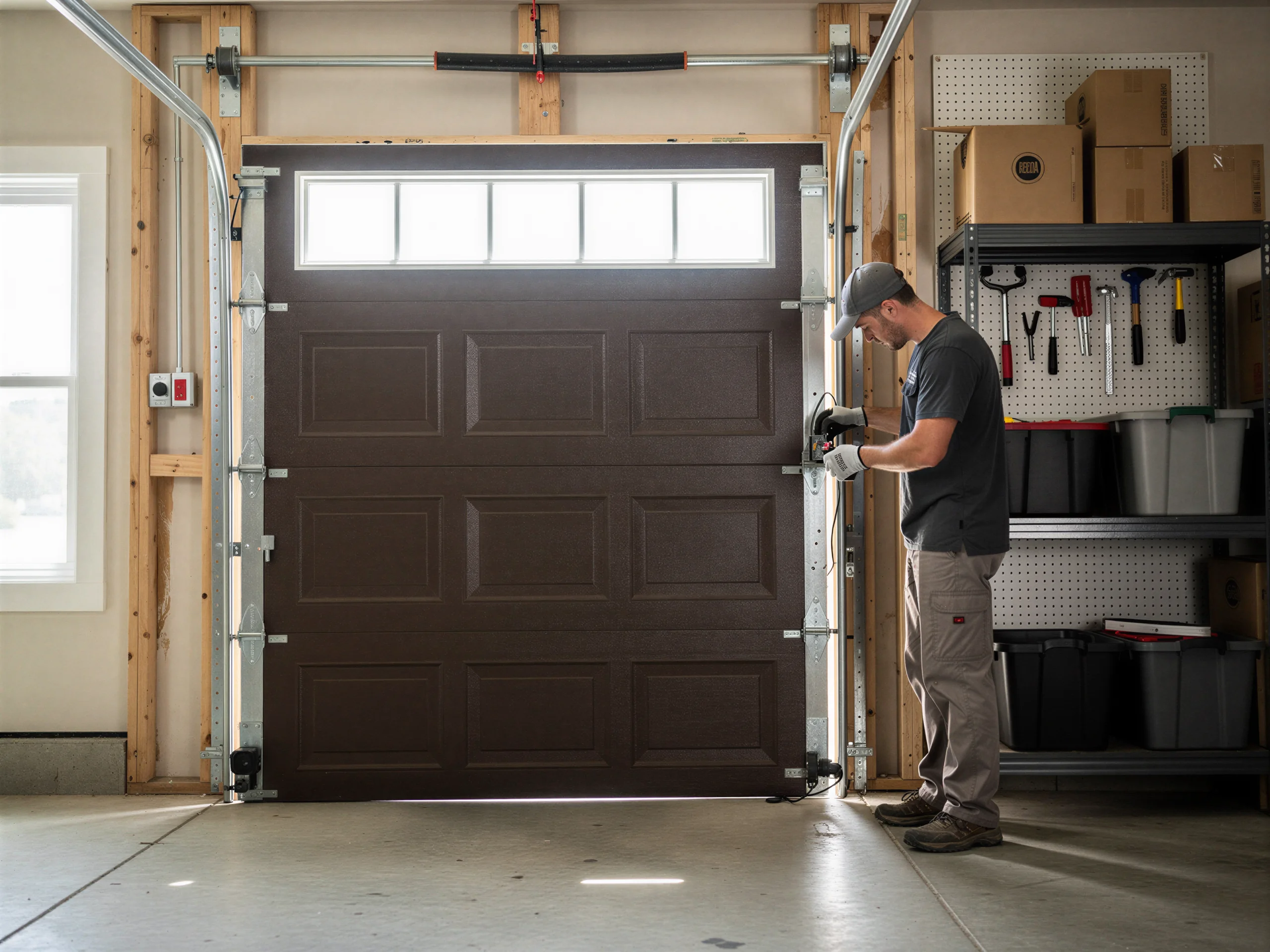
A technician works on a brown garage door with windows in a garage.

New Door Installation

Sherwood homes built mostly in the late 1990s need taller, wider doors than the service area average. Learn more →
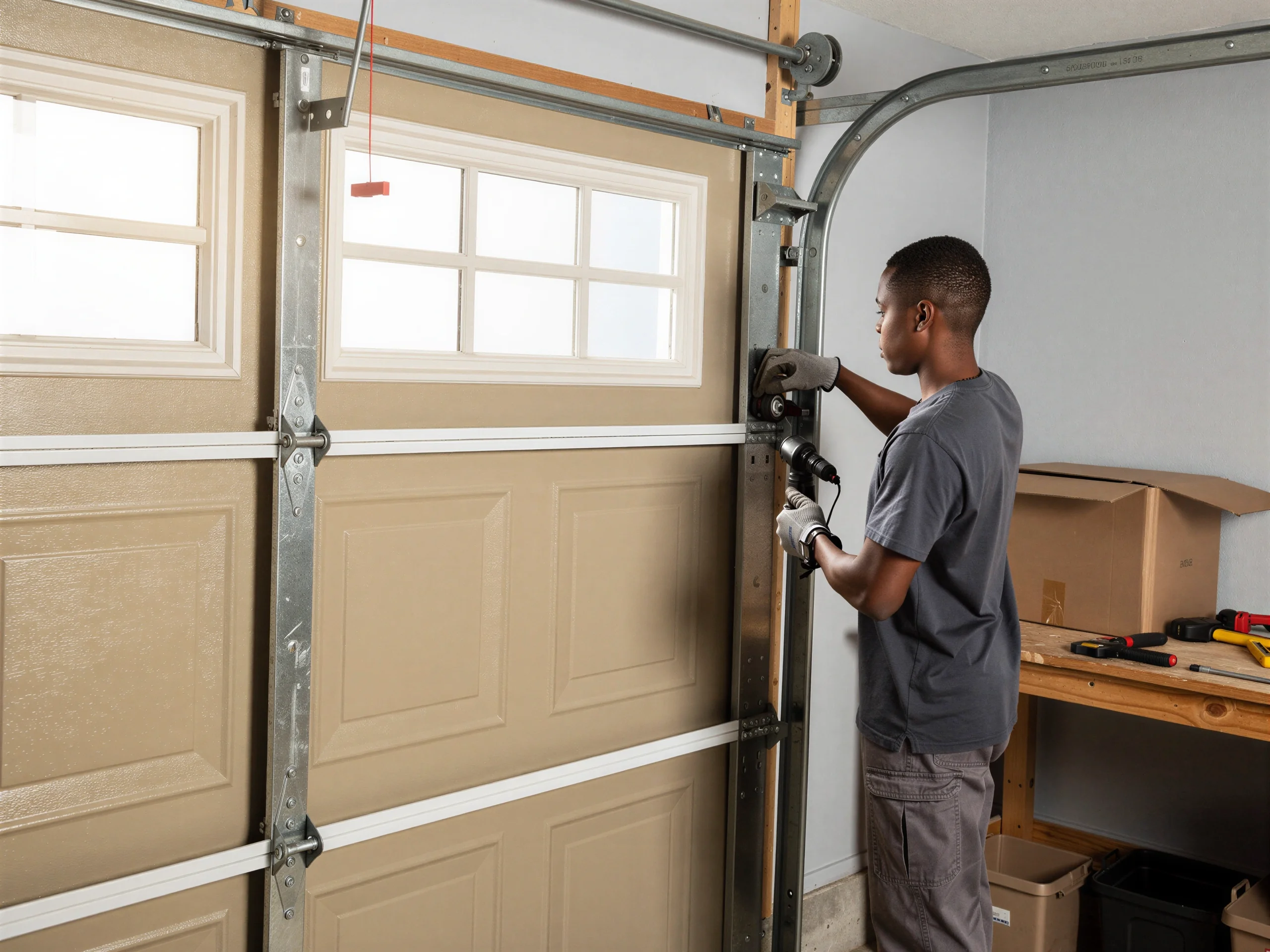
A technician works on a tan garage door with windows and metal tracks.

Off Track Repair

Sherwood sits 17 miles out, so a same-day off-track call here means the truck is already routed before it rolls. Learn more →
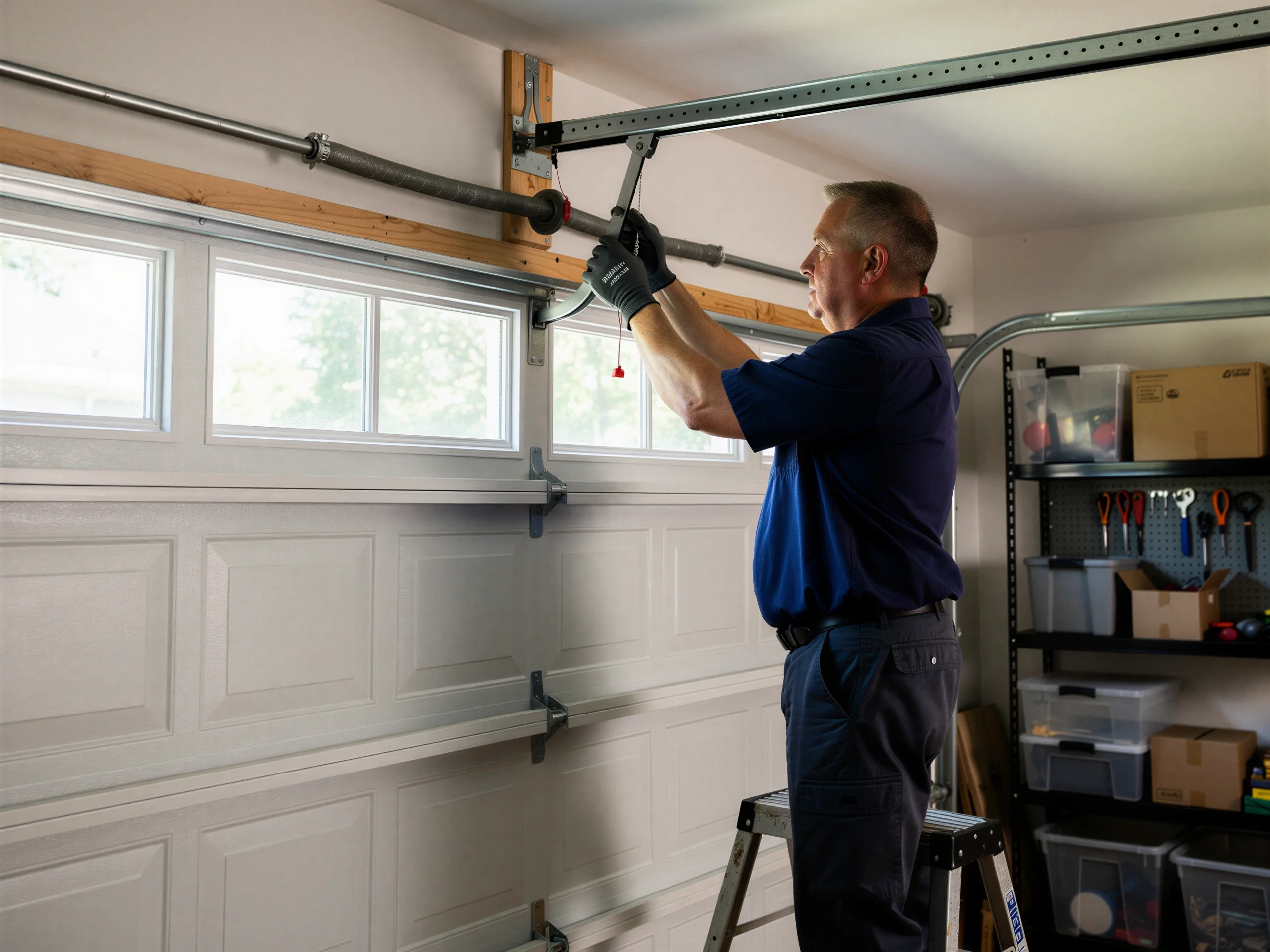
A technician on a ladder adjusts the torsion spring above a white garage door.

Opener Installation

Sherwood's homes mostly went up in the late 1990s, so most openers here are original builder units nearing 25-30 years old. Learn more →
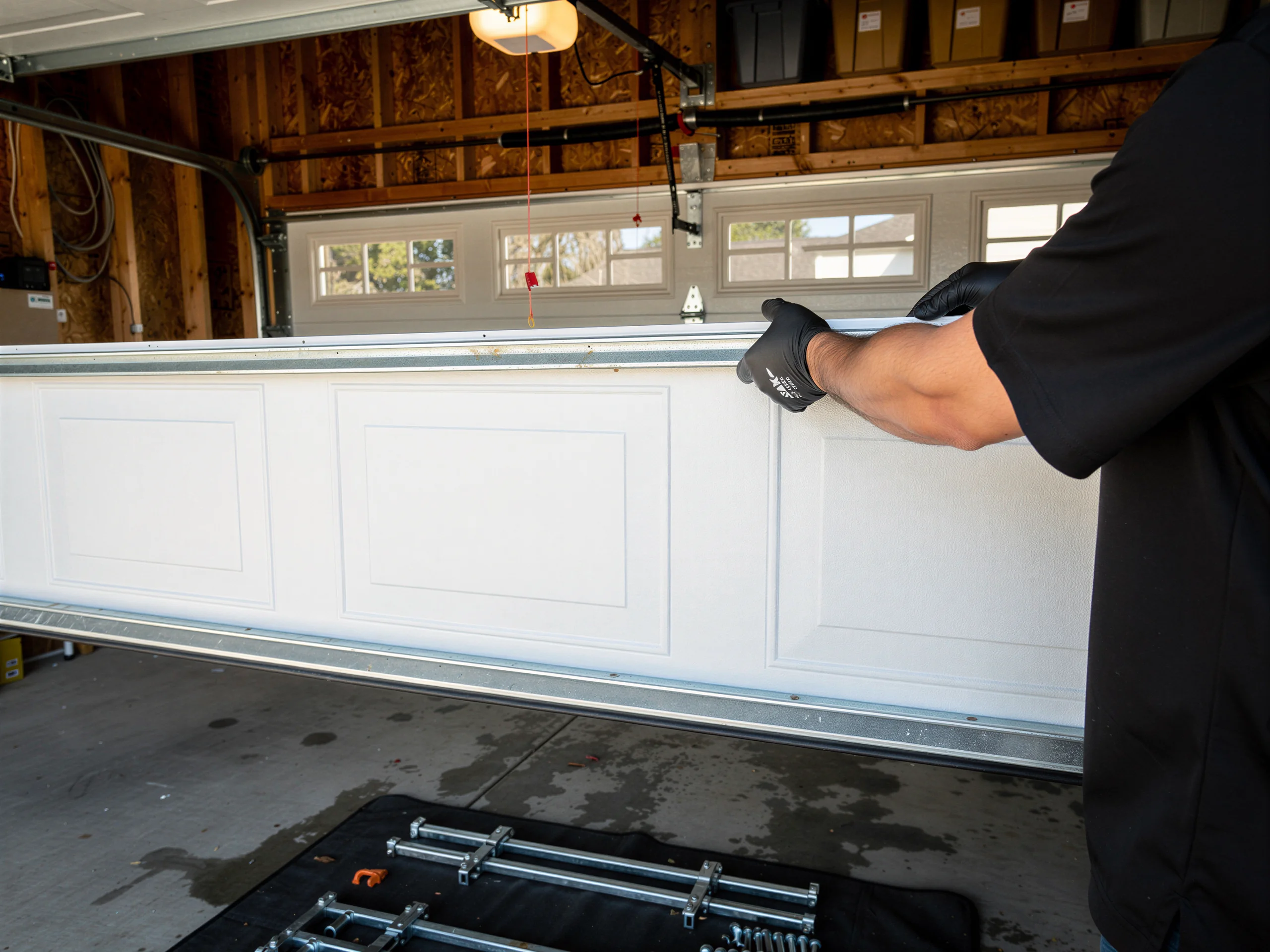
A technician in black gloves installs a white garage door panel.

Panel Replacement

Sherwood's median household income sits above $110,000, and most garage doors here date to the late 1990s. Learn more →
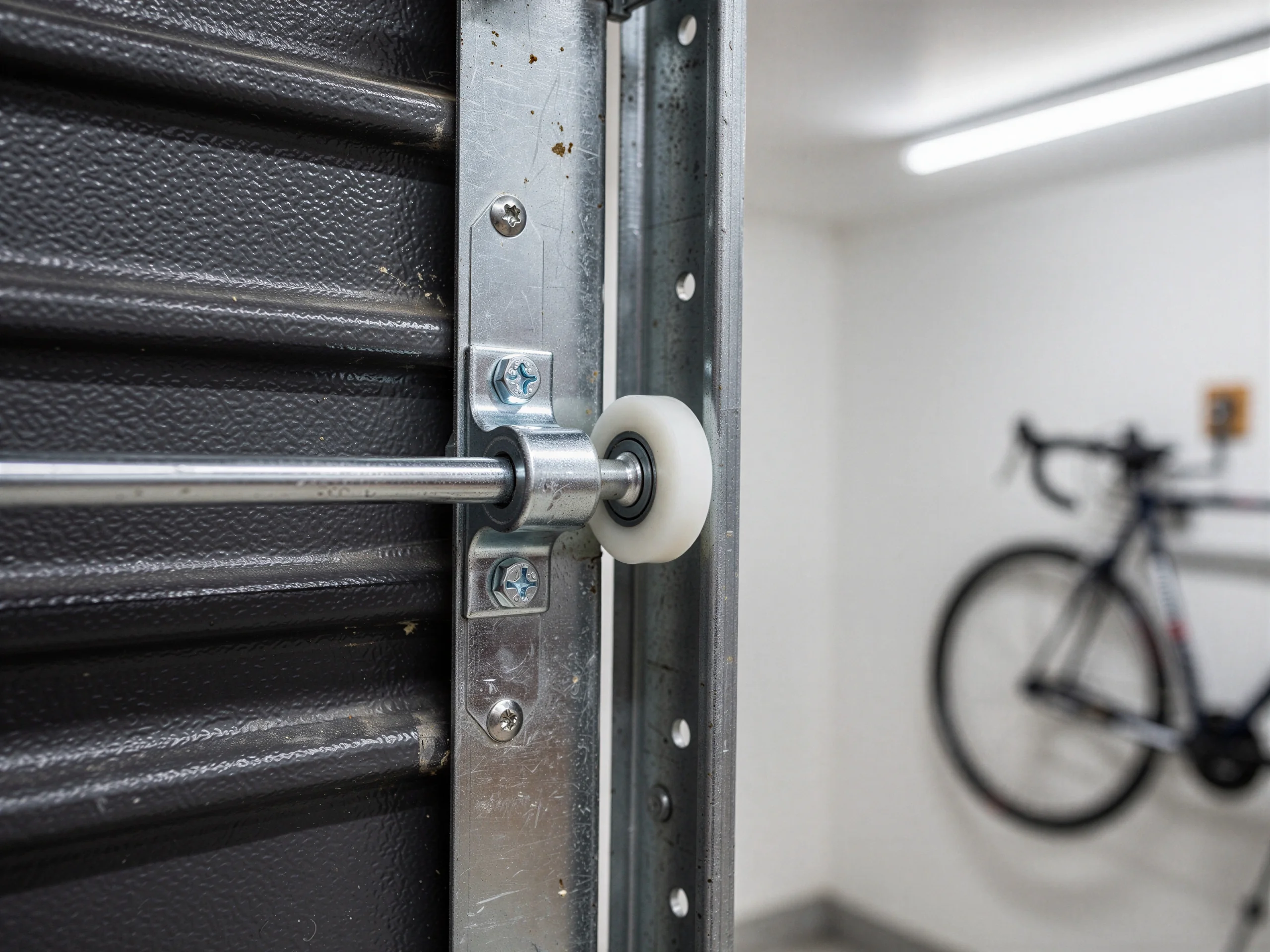
A garage door roller is visible on a metal track, with a bicycle in the background.

Roller Replacement

Sherwood homes mostly date to the late 1990s, later than the broader Happy Valley area median of 1978. Learn more →

Ready when you are

Garage door trouble in Sherwood?

Happy Valley Garage Door Pros repairs and installs garage doors, springs and openers in Happy Valley, OR and the surrounding area.

Call Now(503) 389-4712