Repair time unchanged by suburb
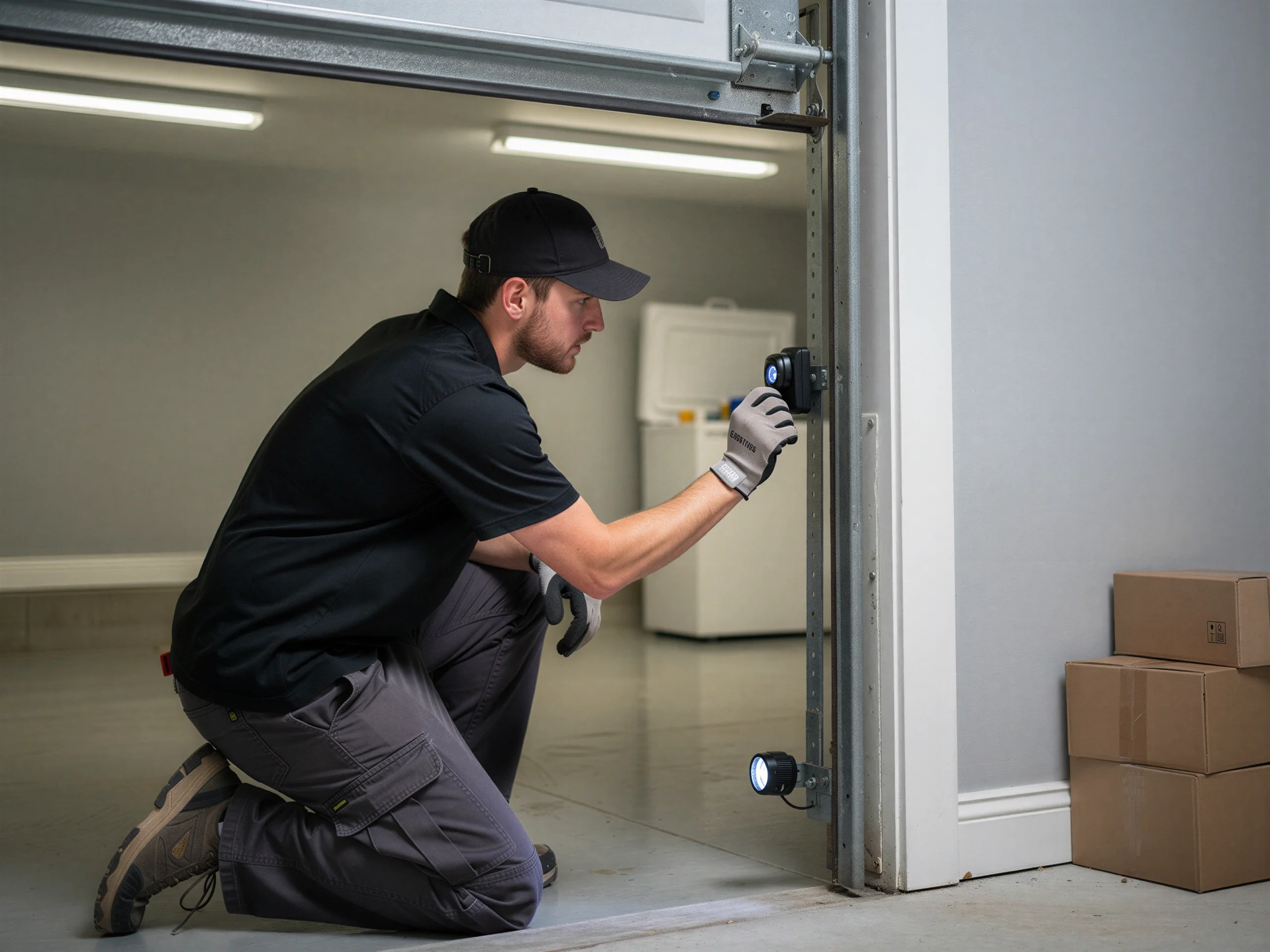
That distance doesn't change what the repair itself takes once a tech is on-site; a spring swap or opener board replacement runs the same regardless of which suburb it's in.
Fairview, Happy Valley
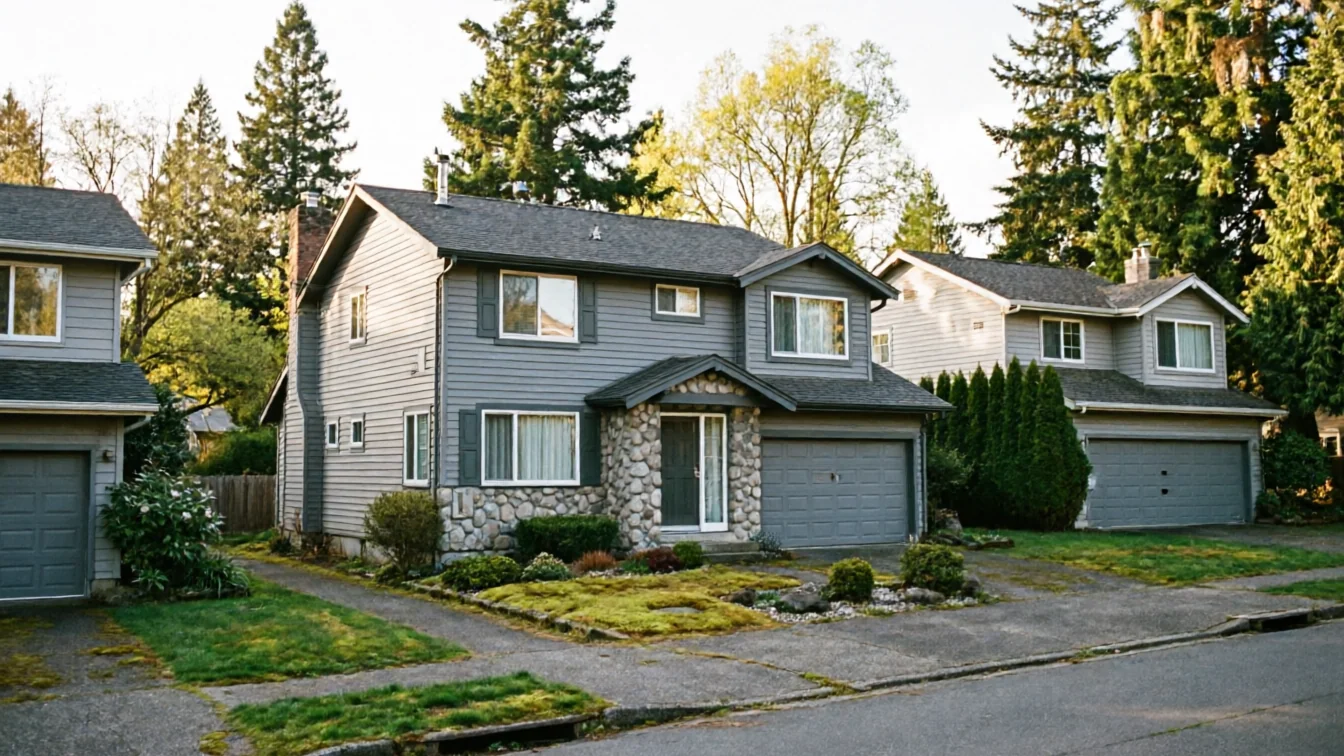
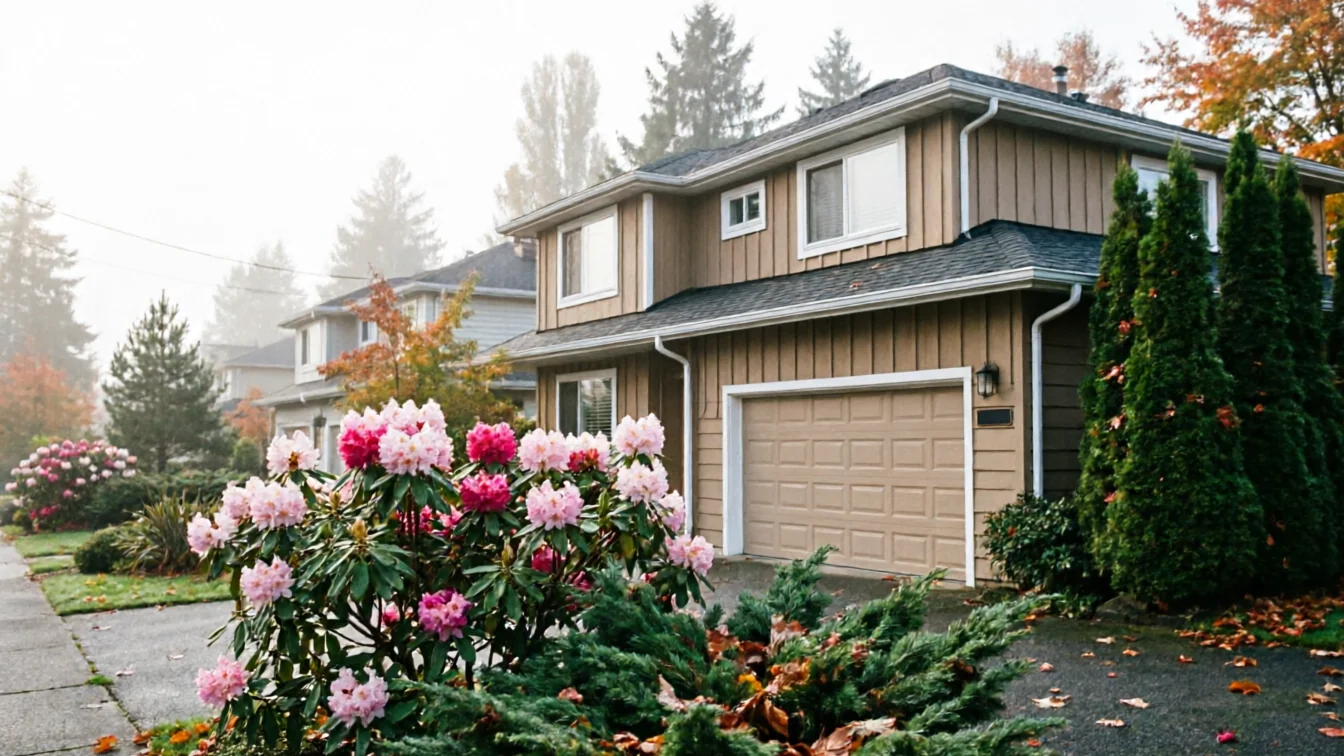
Fairview homes mostly went up after 1995, newer than the rest of our service area. We cover the openers and torsion springs that era actually uses.
The repair
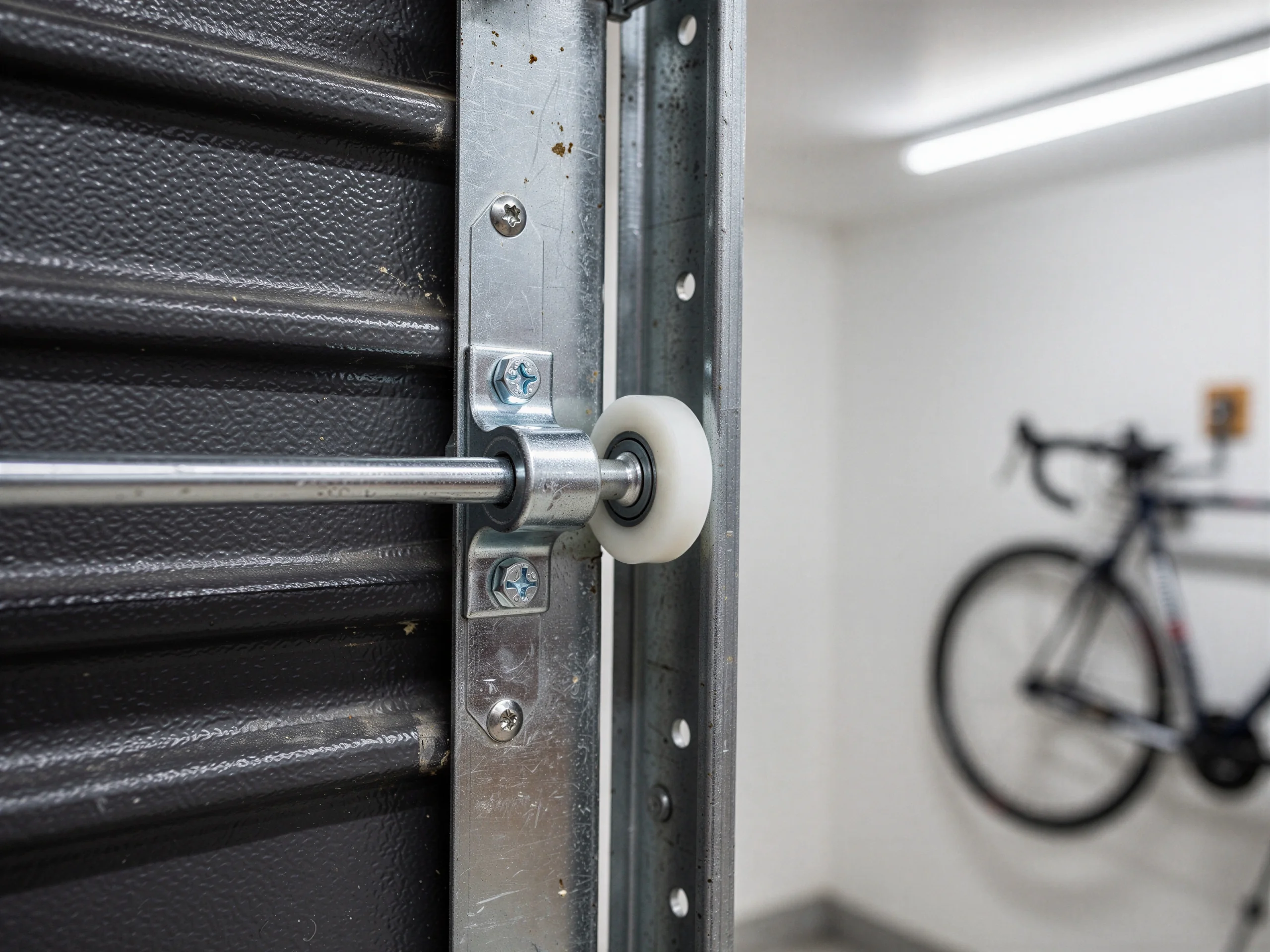
Fairview is a newer build pocket inside our coverage area. The broader territory we work runs on housing from 1964 through 2003, with a median build year of 1978, which means a lot of what we touch day to day is older torsion hardware, worn extension springs, and first-generation chain-drive openers. Fairview skews younger than that median - most of its houses went up well after 1995, closer to two decades newer than the typical house we see on the Happy Valley side of the territory. That changes what the job actually is. We're less likely to be freeing a rusted-shut track or replacing a one-piece door nobody makes parts for anymore, and more likely dealing with a belt-drive or screw-drive opener board that's failed, a safety sensor that's drifted out of alignment, or a steel sectional door with worn rollers on nylon guides that was never built to the same spec as the 70s-era doors a few miles over. The fix starts with figuring out which generation of hardware you've actually got before anything gets ordered.
Local causes
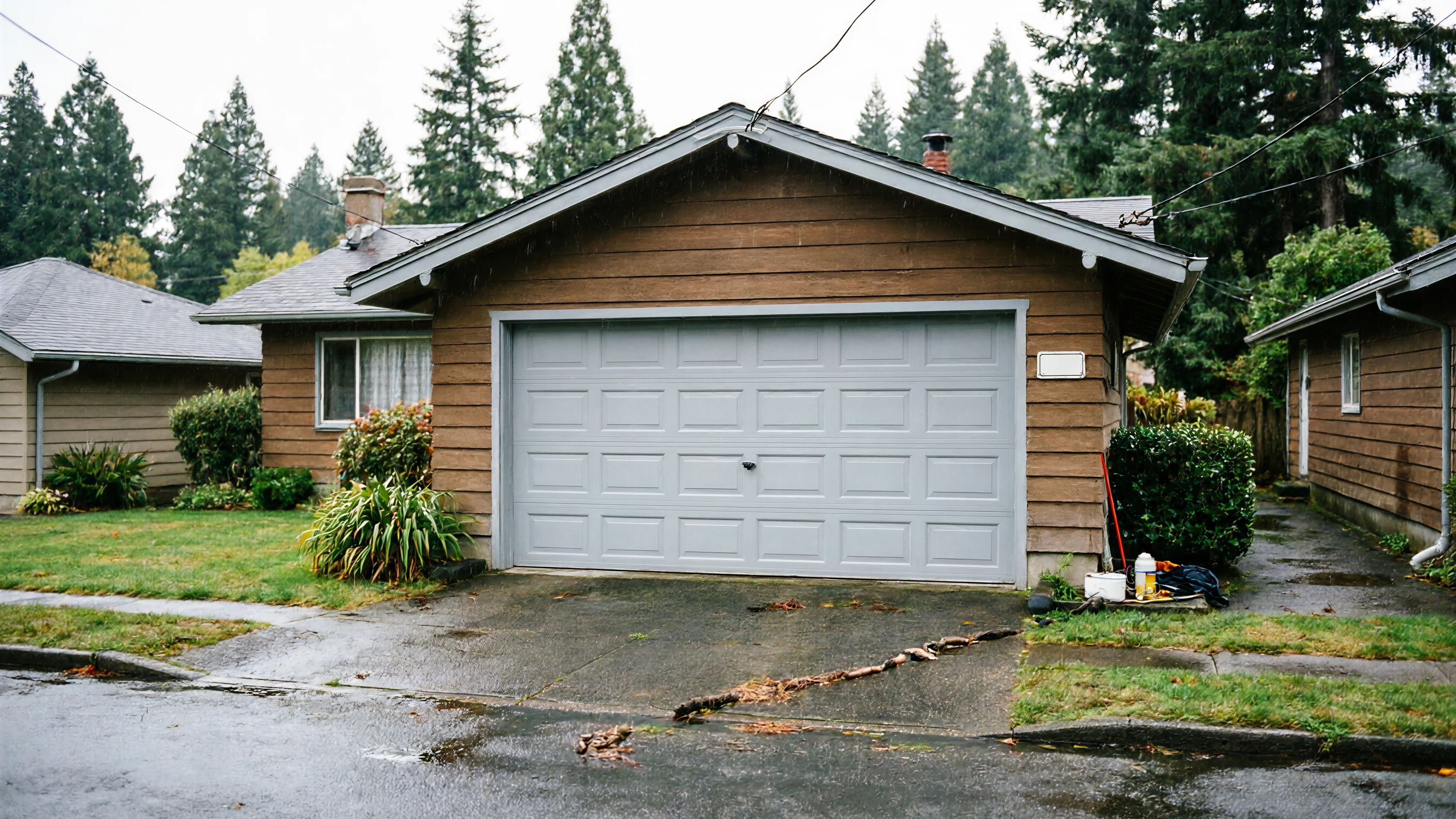
A door built to 1995-and-later code assumptions fails differently than one built in the 1970s. Newer door sections are lighter steel with foam insulation sandwiched in, which means the torsion spring sizing and the opener's lift capacity were matched to a lighter panel than what you'd find on an older heavier wood or single-layer steel door elsewhere in the area. When a spring on a Fairview-era door gets replaced with the wrong weight, or when a universal opener is bolted on without checking the door's actual lift requirement, the door either struggles to open smoothly or slams down faster than it should on the way back. We also see more circuit-board and sensor failures here than the straight mechanical wear-and-tear we handle on older doors nearby - electronics in that generation of opener weren't built to last the 25-plus years some of them have now been running.
Timing
We don't carry a Fairview branch or crew stationed in town - every job here is a drive from Happy Valley, about 8 miles out.
That distance doesn't change what the repair itself takes once a tech is on-site; a spring swap or opener board replacement runs the same regardless of which suburb it's in.
What it does mean is that same-day availability depends on the truck's route that day rather than a local dispatch sitting around the corner. If you need a rough window, ask when you call - we're not going to promise a number we don't have.
Warning signs
If your opener is newer - a belt or screw-drive unit rather than an old chain-drive - the common complaints are a door that reverses right after it starts closing, a remote that works intermittently, or a motor that hums but doesn't lift. Those point to a misaligned photo-eye sensor or a failing logic board, not a spring problem. If you're hearing a grinding or popping noise on a lighter insulated steel door, that's usually worn nylon rollers riding a track that's slightly out of plumb, since the lighter panel puts less forgiving pressure on bent track than an older heavy door would. A door that won't budge at all, with the opener straining, is still worth checking the spring on even newer builds - some were under-sprung from the factory.
DIY or pro
Swapping a remote battery or resetting the opener's travel limits is fine to do yourself, and most owners manage it without a call.
Replacing a torsion spring is not - the spring on even a lighter insulated door still stores enough force to break a wrist or worse if the winding bars slip, and we'd rather you call than end up explaining a trip to the ER.
Realigning a photo-eye sensor is usually a five-minute job you can do with a level and a screwdriver if you're comfortable climbing a short ladder; if the bracket itself is bent or cracked, that's a part swap, not an alignment fix.
On the truck
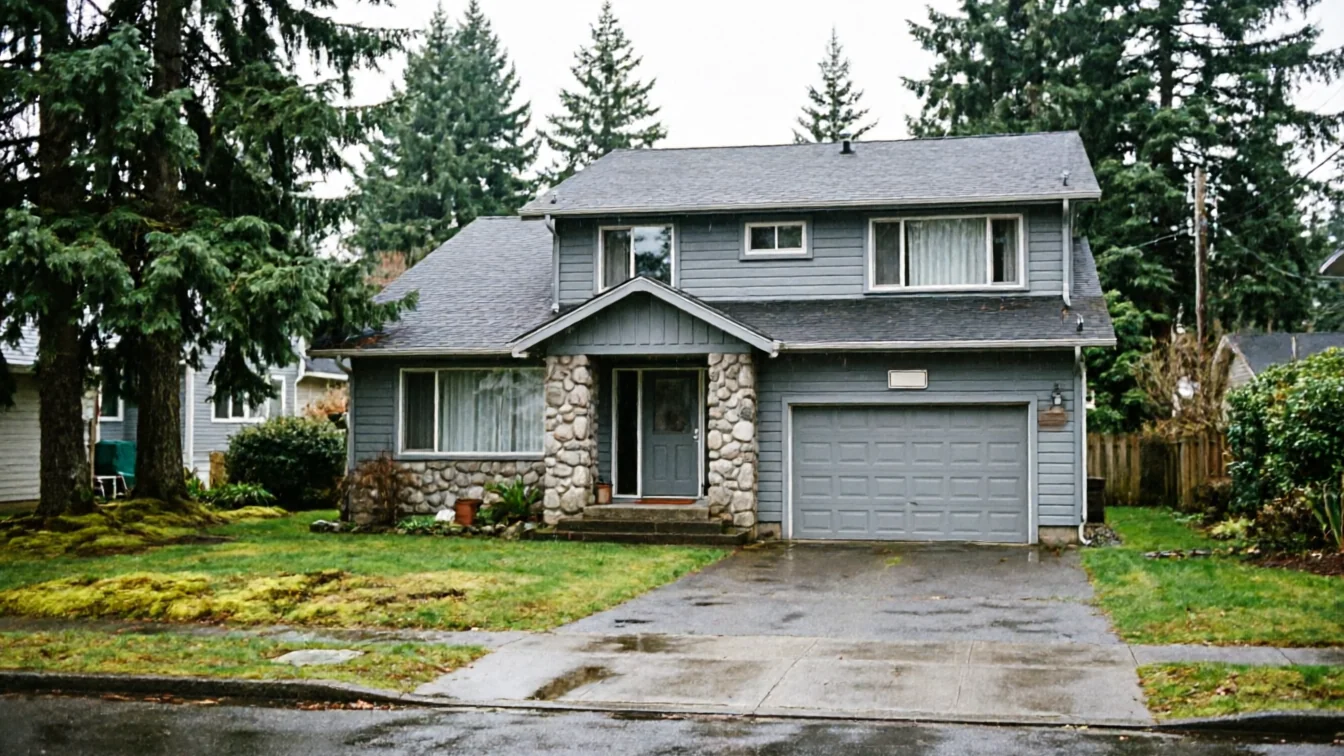
We keep common belt-drive and screw-drive opener boards, photo-eye sensor pairs, and nylon rollers sized for lighter insulated sectional doors on the truck, since that's what we run into most in Fairview's build era. Torsion springs get sized and ordered to the actual door once we've measured it - we don't pre-guess spring weight off the house's age alone, because even newer construction varies panel to panel. One honest limit: specialty opener logic boards for less common brands sometimes have to be special-ordered, and that can add a few days to the job. We'll tell you up front if that's the case rather than quoting a timeline we can't hit.
Questions
Most Fairview homes were built around 1995 or later, noticeably newer than the median build year of 1978 across our wider service area. Newer doors use lighter insulated steel panels and belt or screw-drive openers, so the common failures run toward electronics and sensor alignment rather than the worn torsion springs and old chain-drive openers we see on older houses nearby.
No. We cover Fairview from Happy Valley, about 8 miles away. There's no local branch or depot in town, so every visit starts with a drive - ask when you call about same-day availability since it depends on the day's route, not a local dispatch.
We don't recommend it. Even on a lighter insulated door, the torsion spring holds enough stored force to cause a serious injury if the winding bars slip. Sensor alignment and remote resets are reasonable DIY jobs; spring work is not.
Explore more
Ready when you are
Happy Valley Garage Door Pros repairs and installs garage doors, springs and openers in Happy Valley, OR and the surrounding area.