Same time across streets
What we can tell you is that a standard spring or cable replacement, once we're on site and have the door, usually runs the same length of time regardless of which street it's on.
Fairview, Happy Valley
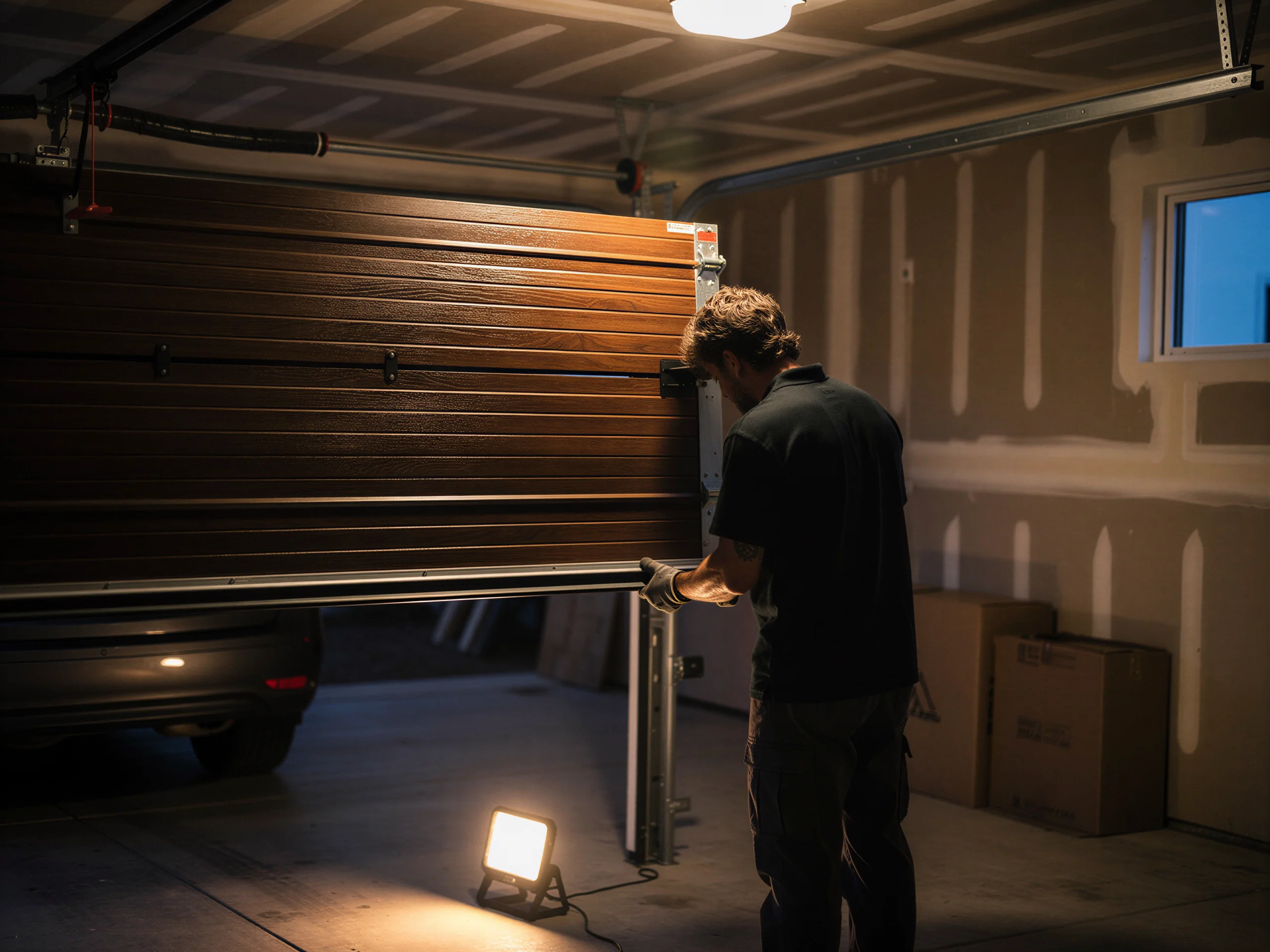
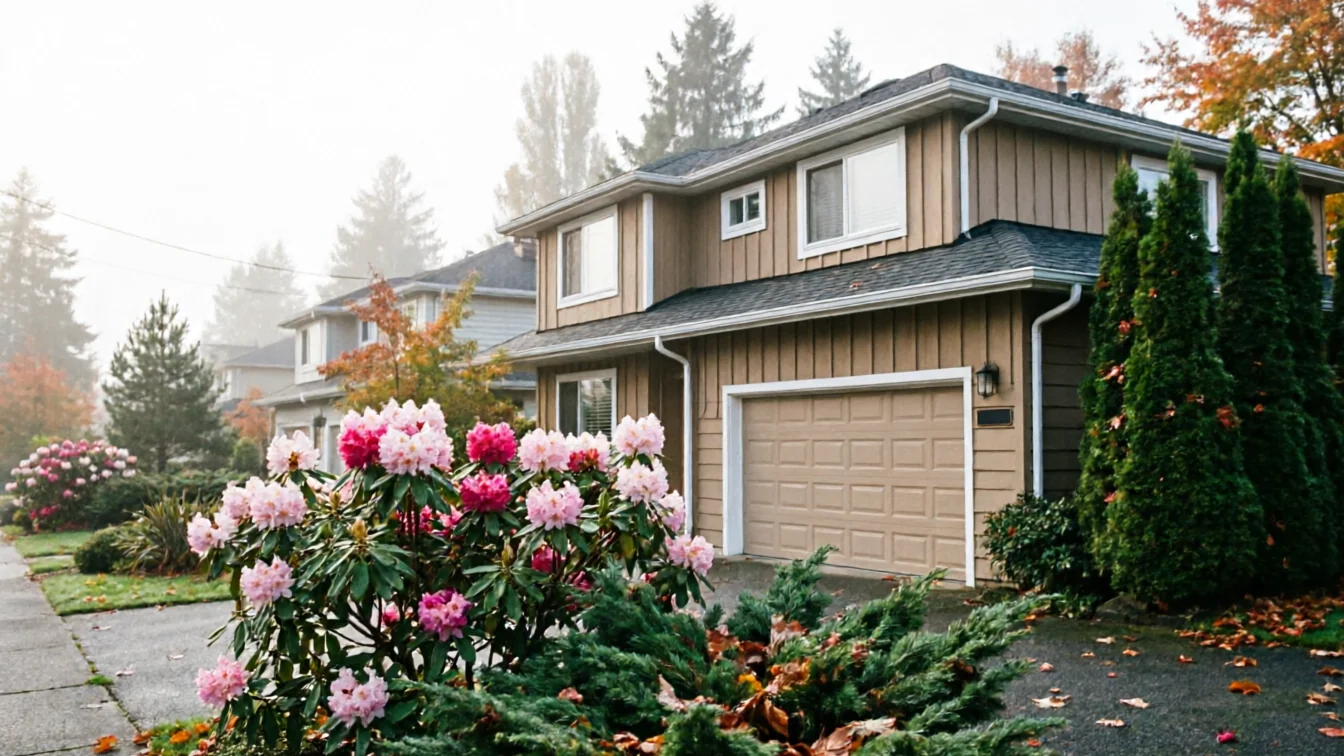
Fairview homes mostly date to the mid-1990s, later than much of the Happy Valley service area. We cover broken springs, snapped cables, and stuck openers from 8 miles out.
The repair
Fairview's housing stock runs newer than a lot of what we cover out of Happy Valley - the median build year here sits around 1995, well past the 1978 median for the wider service area.
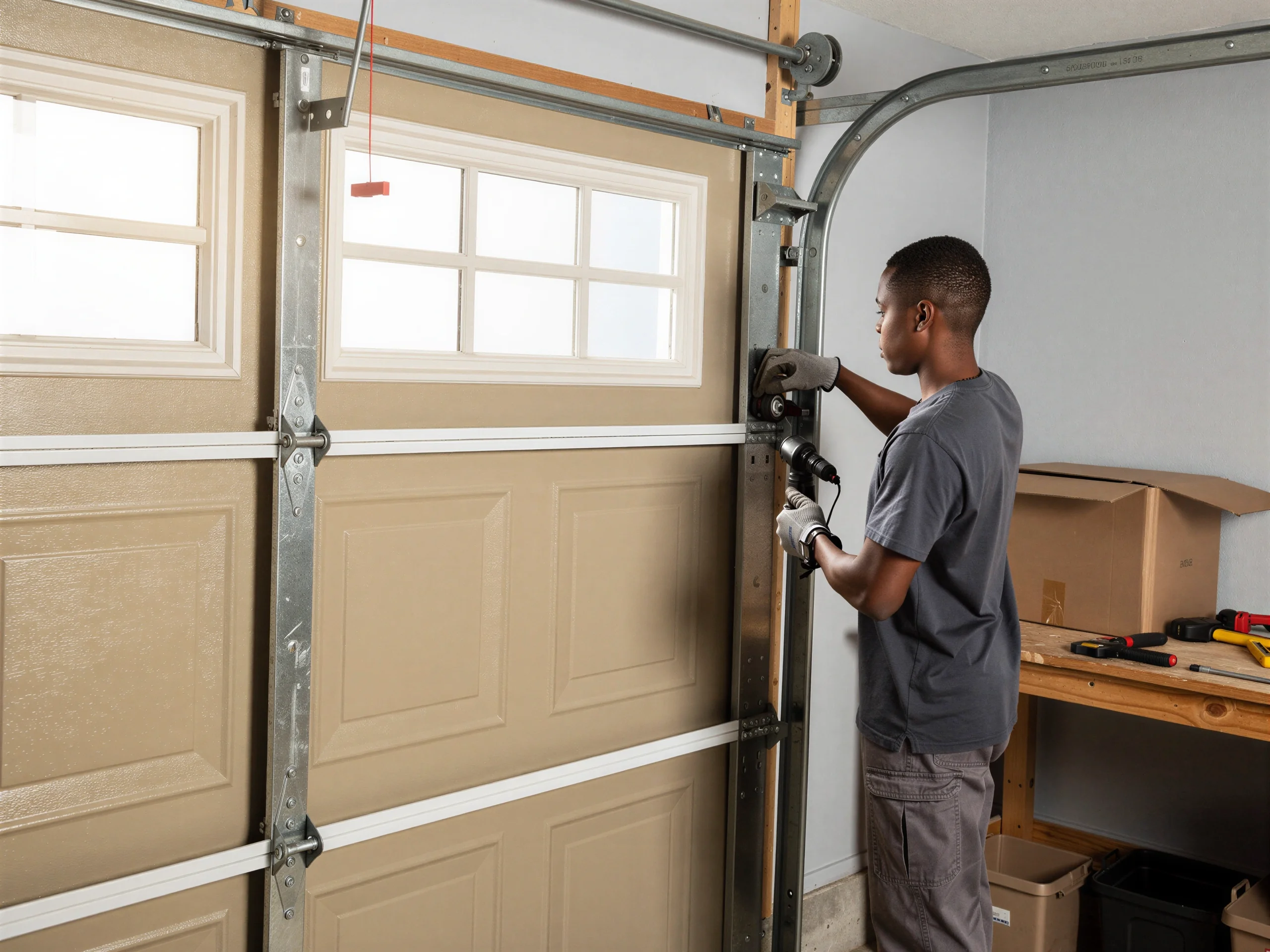
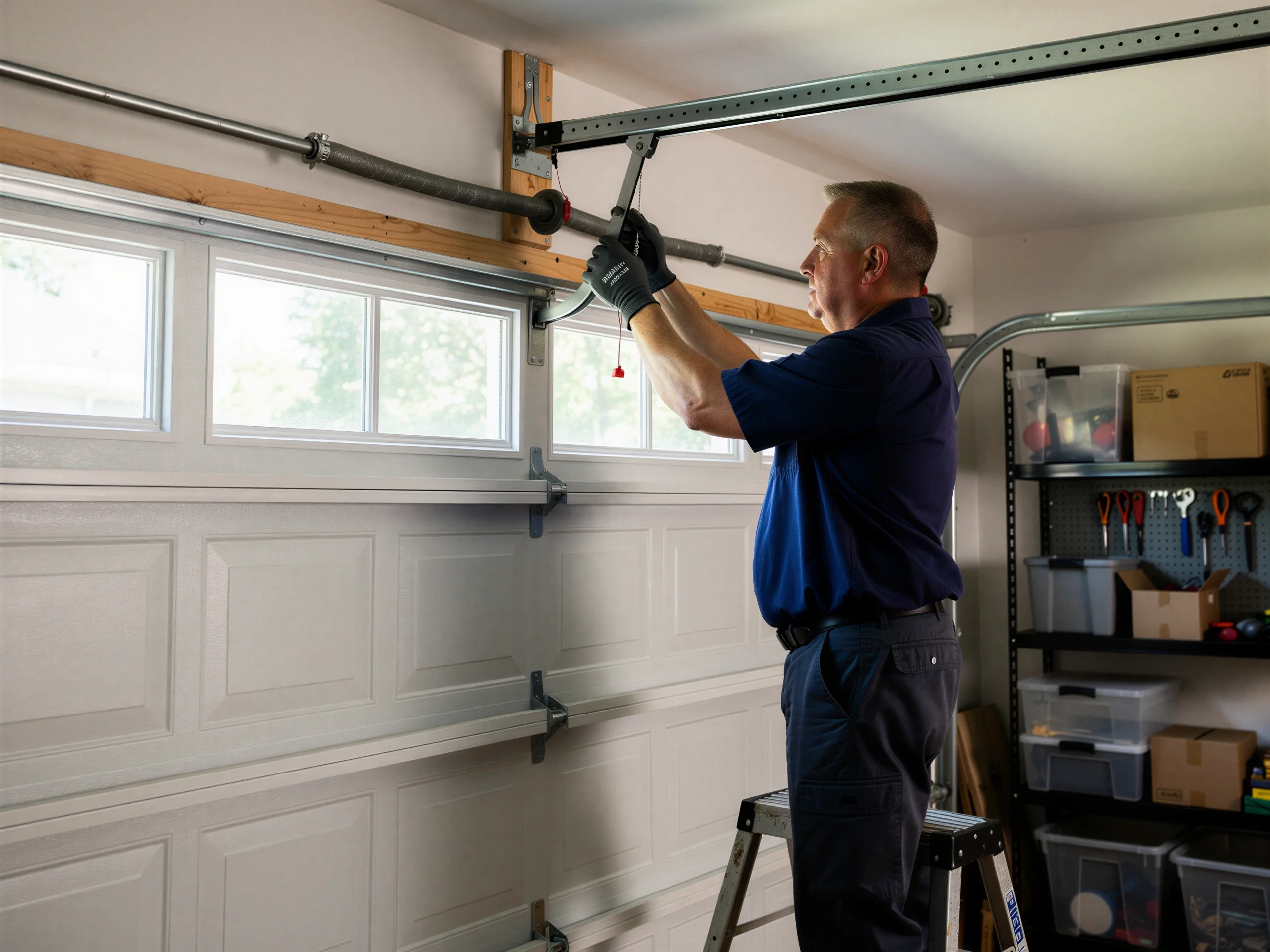
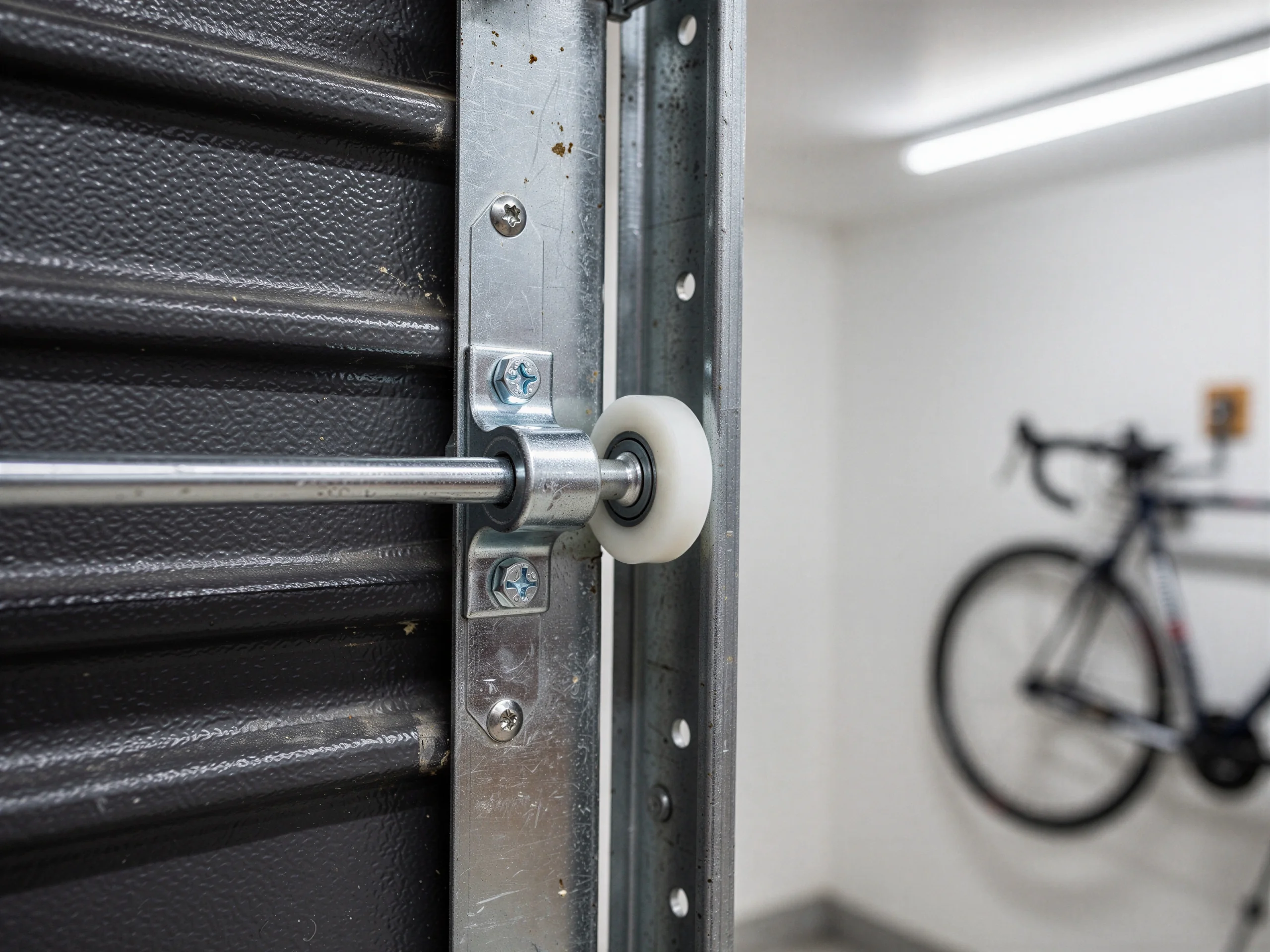
That matters for what's still bolted to the wall. A door installed in the mid-90s almost never has its original torsion spring left; springs are rated for thousands of cycles and most houses from that era are on their second or third set by now. What tends to survive untouched is the original track alignment and the factory end bearing plates, since nobody touches those unless something forces the issue.
An emergency call here usually means one of three things: a spring that finally gave out after 25-plus years of cycling, a cable that frayed through at the drum, or an opener logic board from the original install finally failing after two decades of Oregon damp.
We diagnose on site, confirm what's actually failed versus what's just worn, and fix the failure - not the whole door, unless the whole door is the problem.
Local causes
The mild, occasionally-freezing climate here doesn't shock-load hardware the way a hard freeze-thaw cycle does, so Fairview doors don't usually fail from metal fatigue tied to temperature swings. They fail from age and use. A house built in 1995 has had thirty years of twice-a-day cycling on the same spring and cable set unless someone's replaced it, and most homeowners never think about it until it snaps. Because the area's median household income runs lower than the broader Happy Valley service area - about $71,000 here against roughly $103,000 across the full coverage zone - we see more owners holding off on a worn spring until it fails outright, rather than replacing it on a schedule. That's not a knock on anyone; it's just the pattern. It means more calls come in as full breaks rather than pre-failure squeaks, which changes what we bring on the truck.
Timing
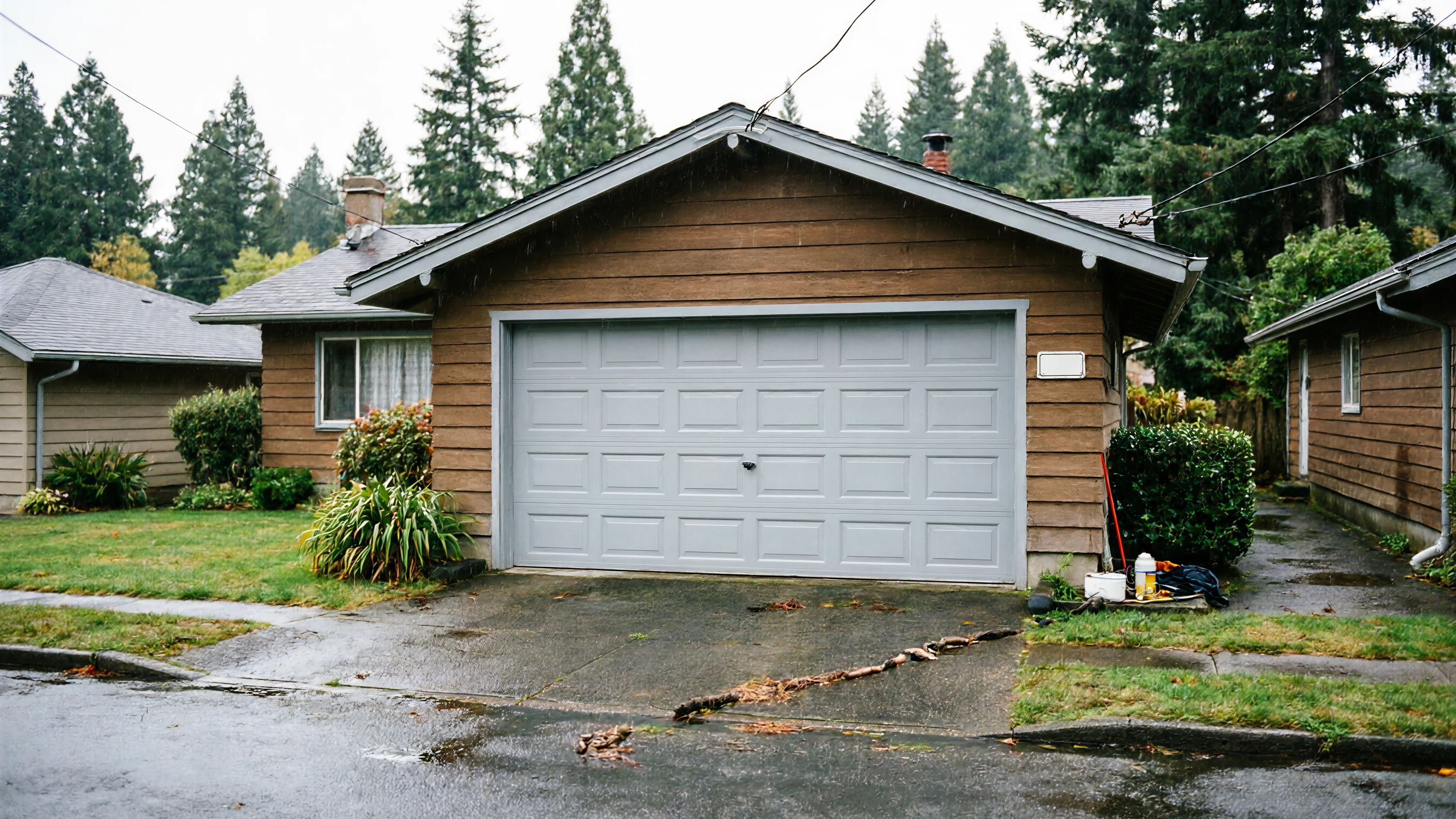
We don't have a fixed response window to publish for Fairview specifically - it's an 8-mile run from Happy Valley, not a town we're based in, so timing depends on traffic and what's already on the schedule that day.
What we can tell you is that a standard spring or cable replacement, once we're on site and have the door, usually runs the same length of time regardless of which street it's on.
A stripped opener gear or a dead logic board takes longer if the part isn't a common stock item. We'll give you a real estimate on the phone once you describe what the door is doing - not a number pulled from a general range.
Warning signs
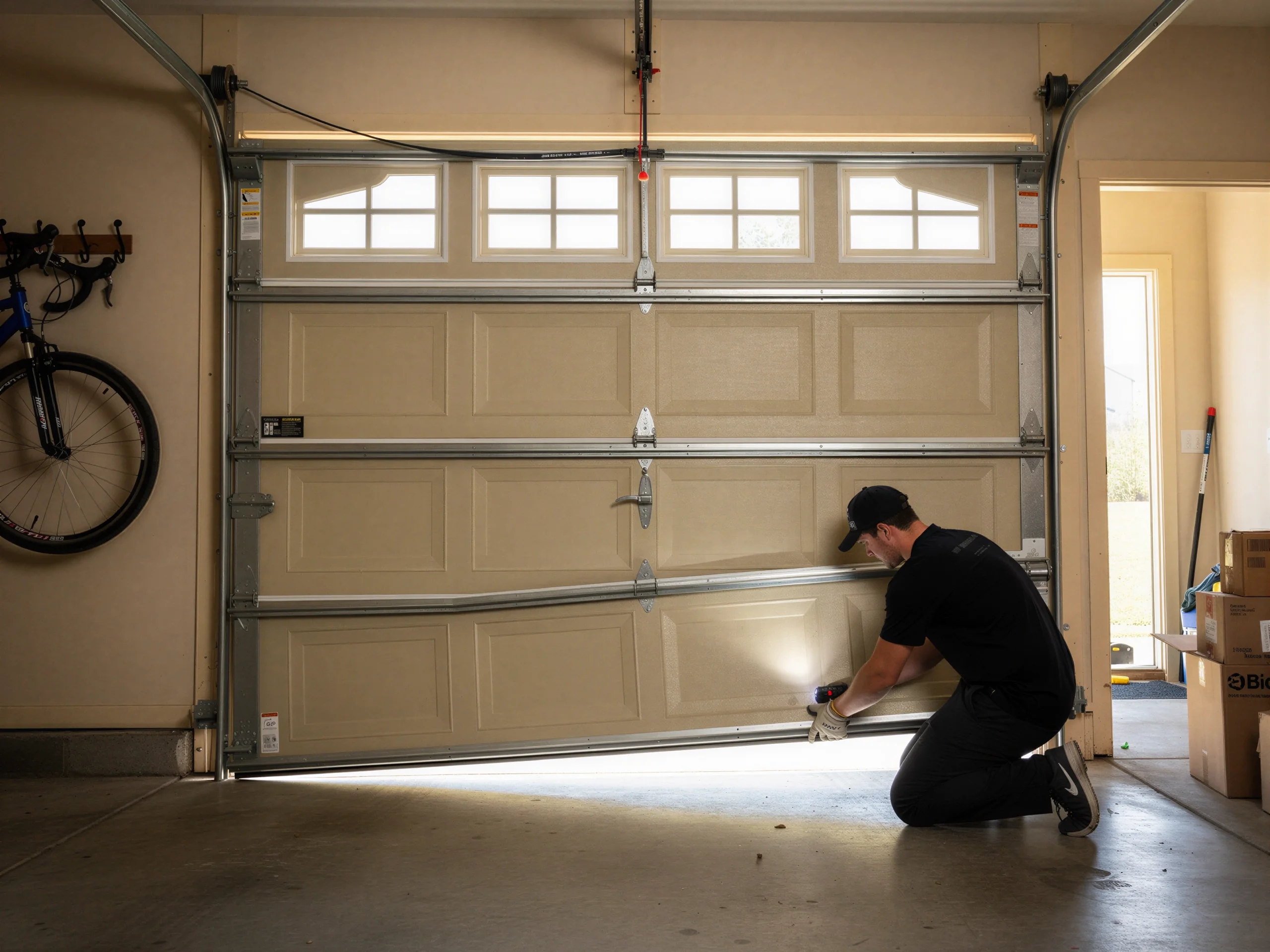
If the door won't move and you heard a bang beforehand, that's almost always a torsion spring letting go - common on a house this age with original or first-replacement hardware. If the door drops suddenly partway and one cable looks slack or frayed at the drum, that's a cable failure, and it's not safe to keep running the opener until it's fixed. If the opener hums but the door doesn't move, check whether the chain or belt is still connected to the carriage; on 90s-era openers, the plastic drive gear is a known wear point and often the real culprit, not the motor. A door that reverses right after closing usually points to the safety sensors, not the spring system at all.
DIY or pro
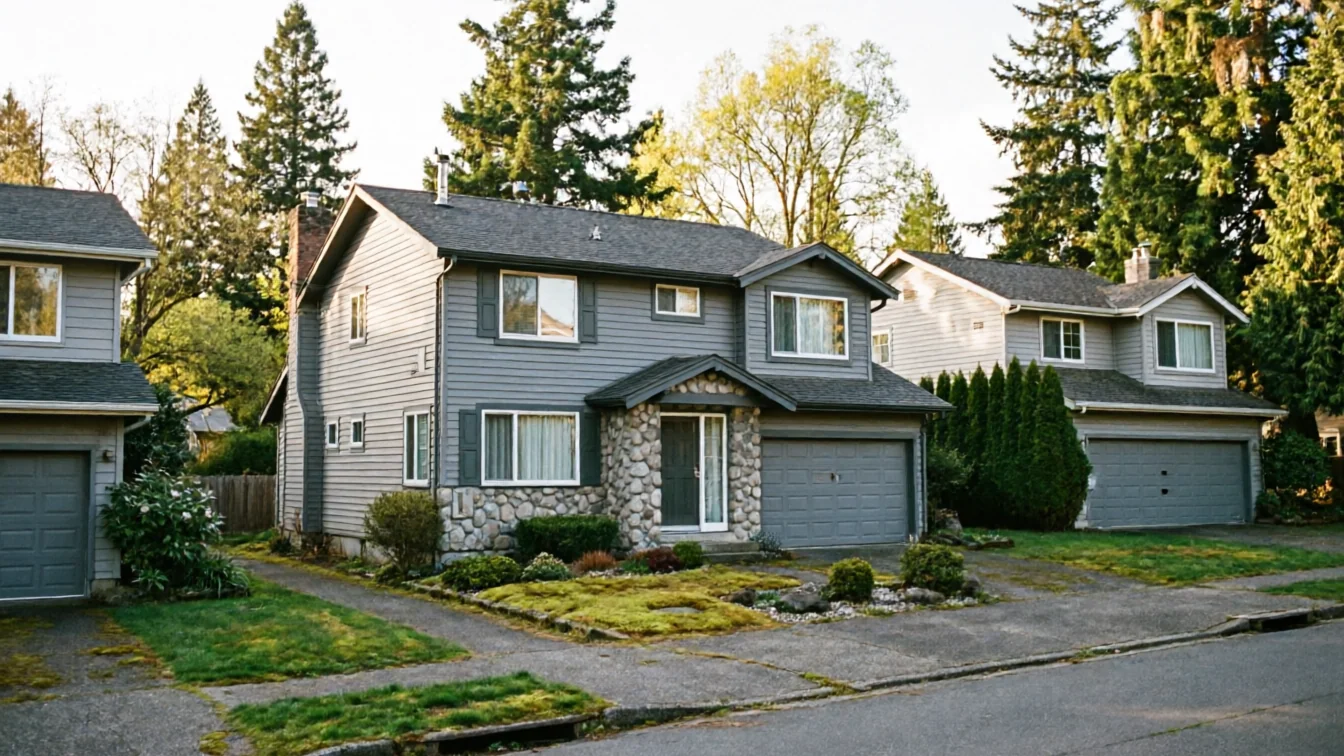
A torsion spring under load stores enough energy to break a hand or worse, and we don't recommend any homeowner attempt that repair without the right bars and clamps regardless of how simple it looks online.
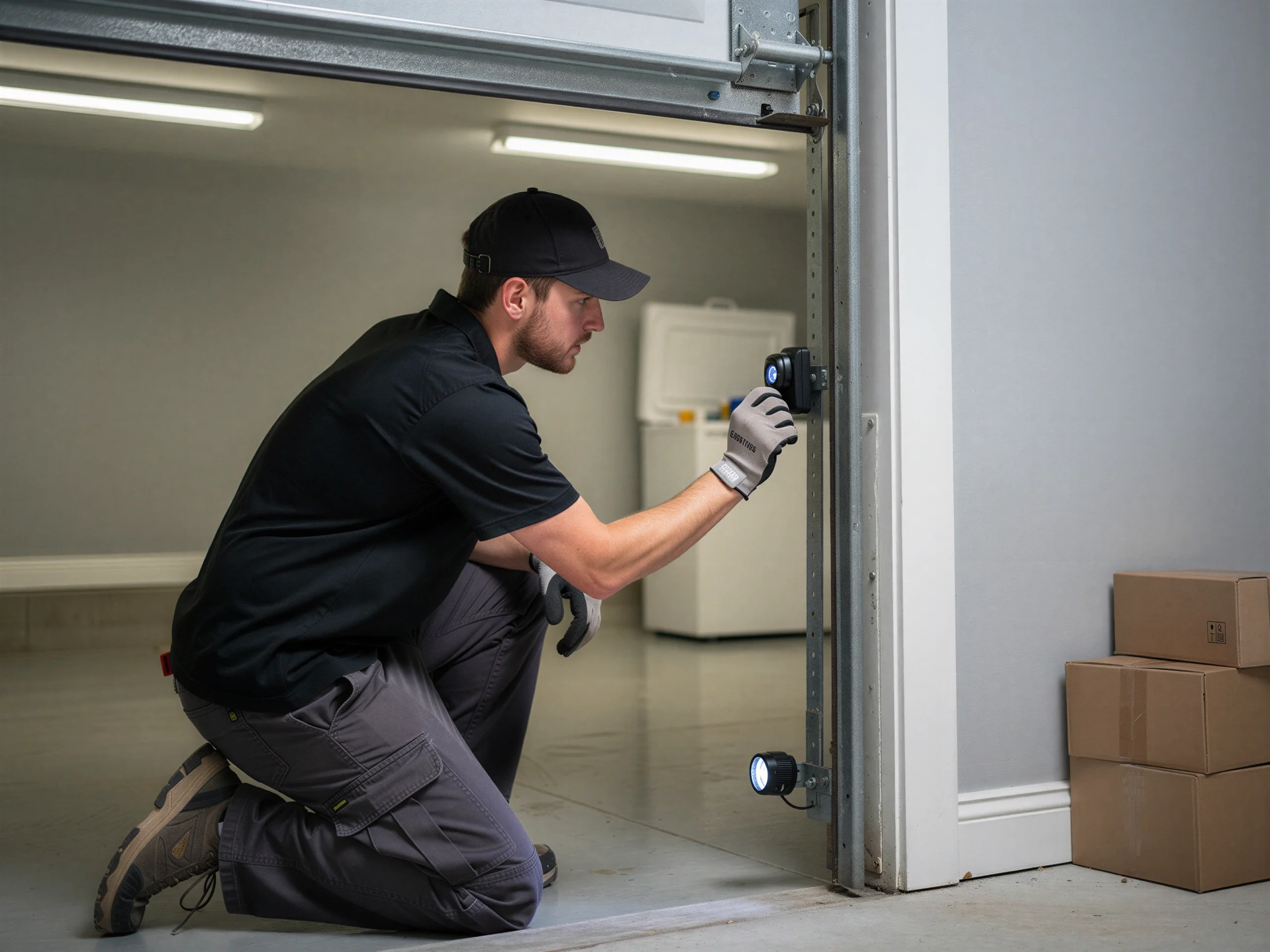
Cable replacement carries the same risk. What you can safely check yourself: the sensor alignment at the bottom of the tracks, whether the opener is plugged in and the breaker hasn't tripped, and whether the manual release cord has been accidentally pulled.
If the door is physically stuck but the opener seems fine, that's often a track obstruction you can clear yourself. Anything involving the spring, the cable, or the drum - leave it for the call.
On the truck
We stock common torsion springs, standard lift cables, and the opener drive gears that tend to fail on 1990s-era residential units, since that covers most of what Fairview's housing stock throws at us. What we don't always have on the truck is a logic board for a less common opener brand from that period - those sometimes need to be ordered, and we'll tell you straight if that's the case rather than guess. We'd rather delay a day for the right part than install something that won't hold.
Questions
We're based in Happy Valley and cover Fairview as part of the wider service area, about 8 miles out. We don't have a local depot here, so we're upfront that response depends on traffic and the day's schedule rather than a fixed local response time.
Unlikely for the spring or cables - those wear out from cycling long before 30 years pass. The track alignment and bearing plates are more likely to still be original, since those only get touched when something else forces a repair.
Torsion springs are rated for a set number of open-close cycles, not a calendar lifespan. A spring installed decades ago in a house from the mid-90s has likely hit or passed that cycle count, and failure is usually sudden rather than gradual.
Explore more
Ready when you are
Happy Valley Garage Door Pros repairs and installs garage doors, springs and openers in Happy Valley, OR and the surrounding area.