Tight garages, limited headroom
What you do get instead is a tighter build: shorter headroom clearances in some garages, and framing that wasn't always set up with a dedicated opener circuit in mind. The other wrinkle is simply travel.
Bull Mountain, Happy Valley
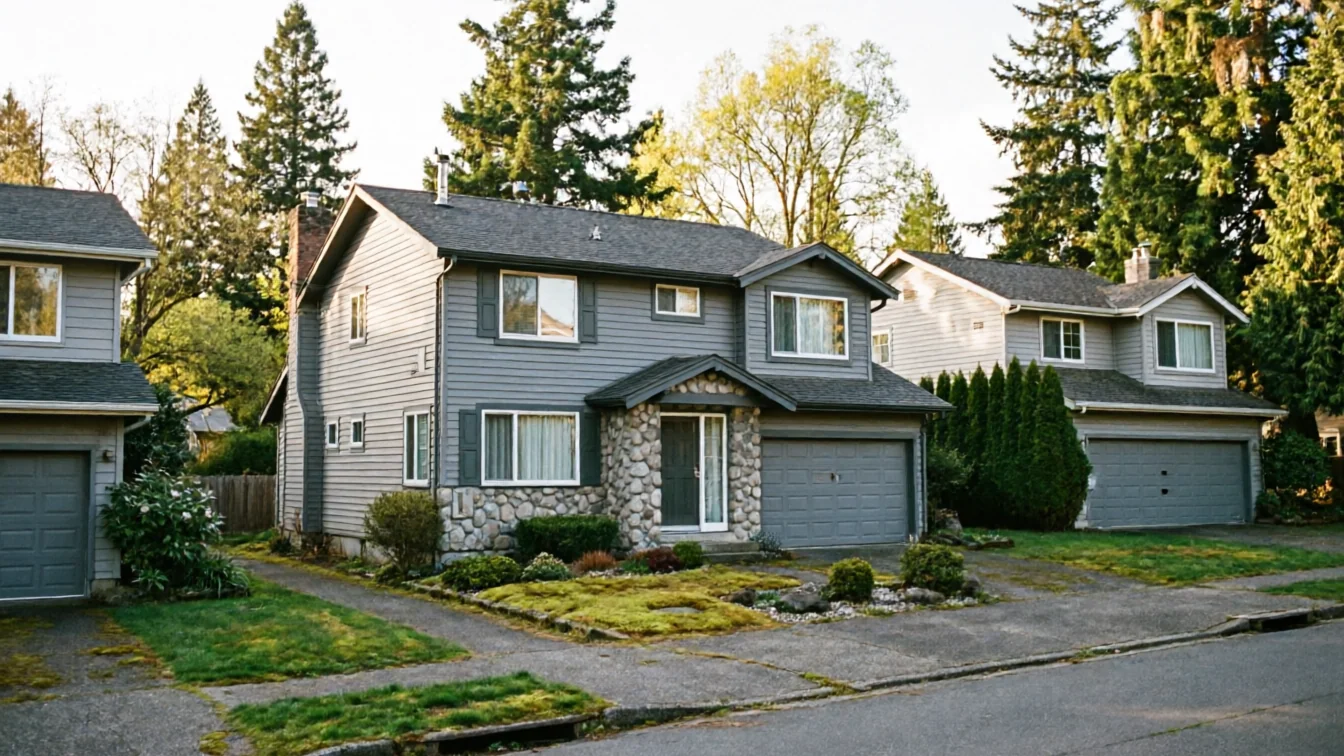
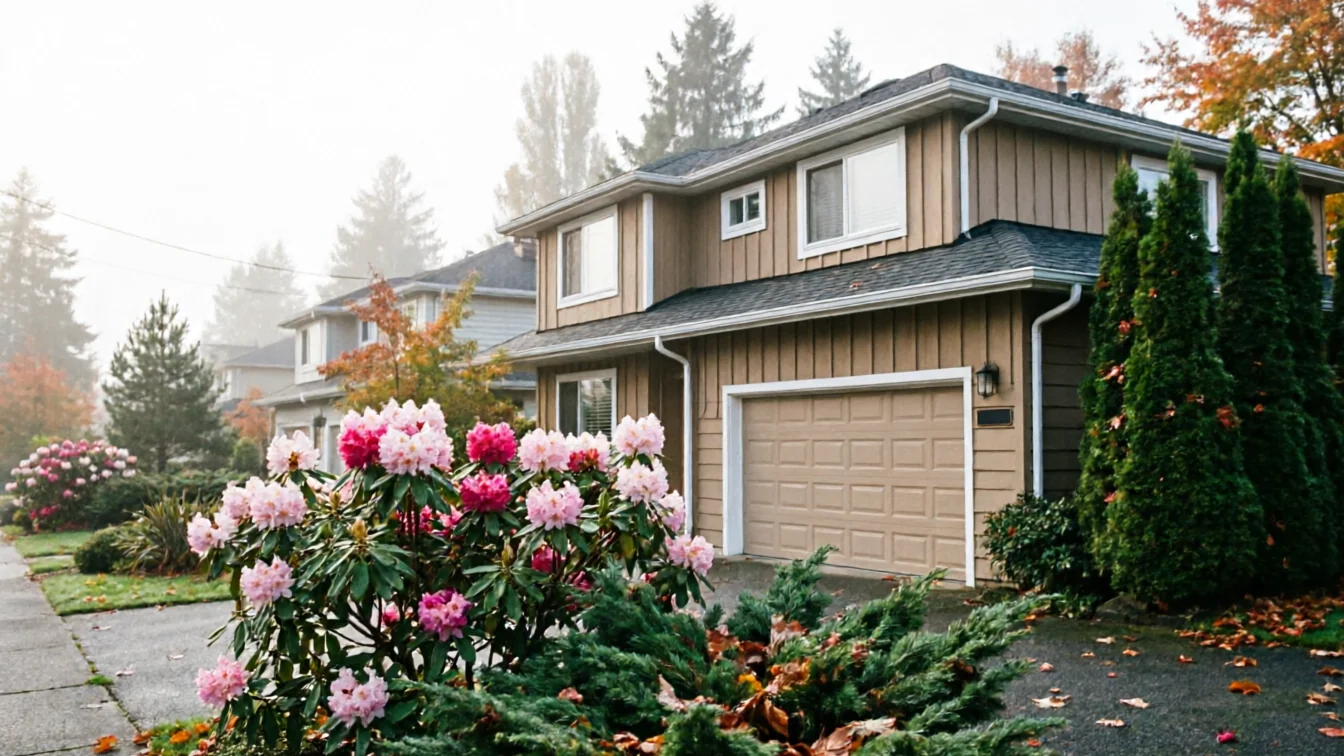
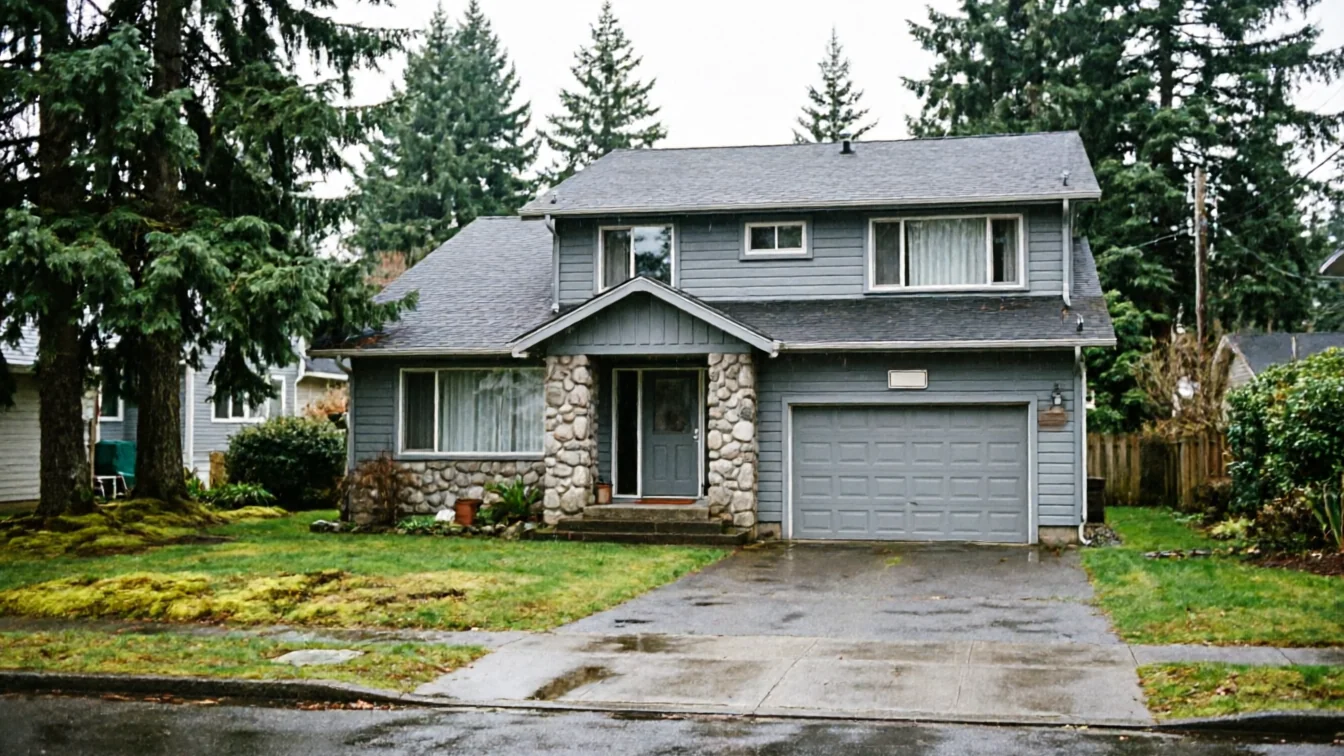
Bull Mountain's homes mostly date to the mid-1990s, a decade or more newer than much of the Happy Valley service area. That changes which opener fits and how the job goes.
DIY or pro
Serving Happy Valley, OR
A lot of Bull Mountain garages were framed out around 1995, which means you're usually working with a door built for a chain or belt-drive opener on a standard header, not the older low-headroom setups we see on houses from the 1960s and 70s closer to Happy Valley. That's actually good news if you're tempted to do this yourself: the bracket spacing is more forgiving and the wiring runs are usually already in place.
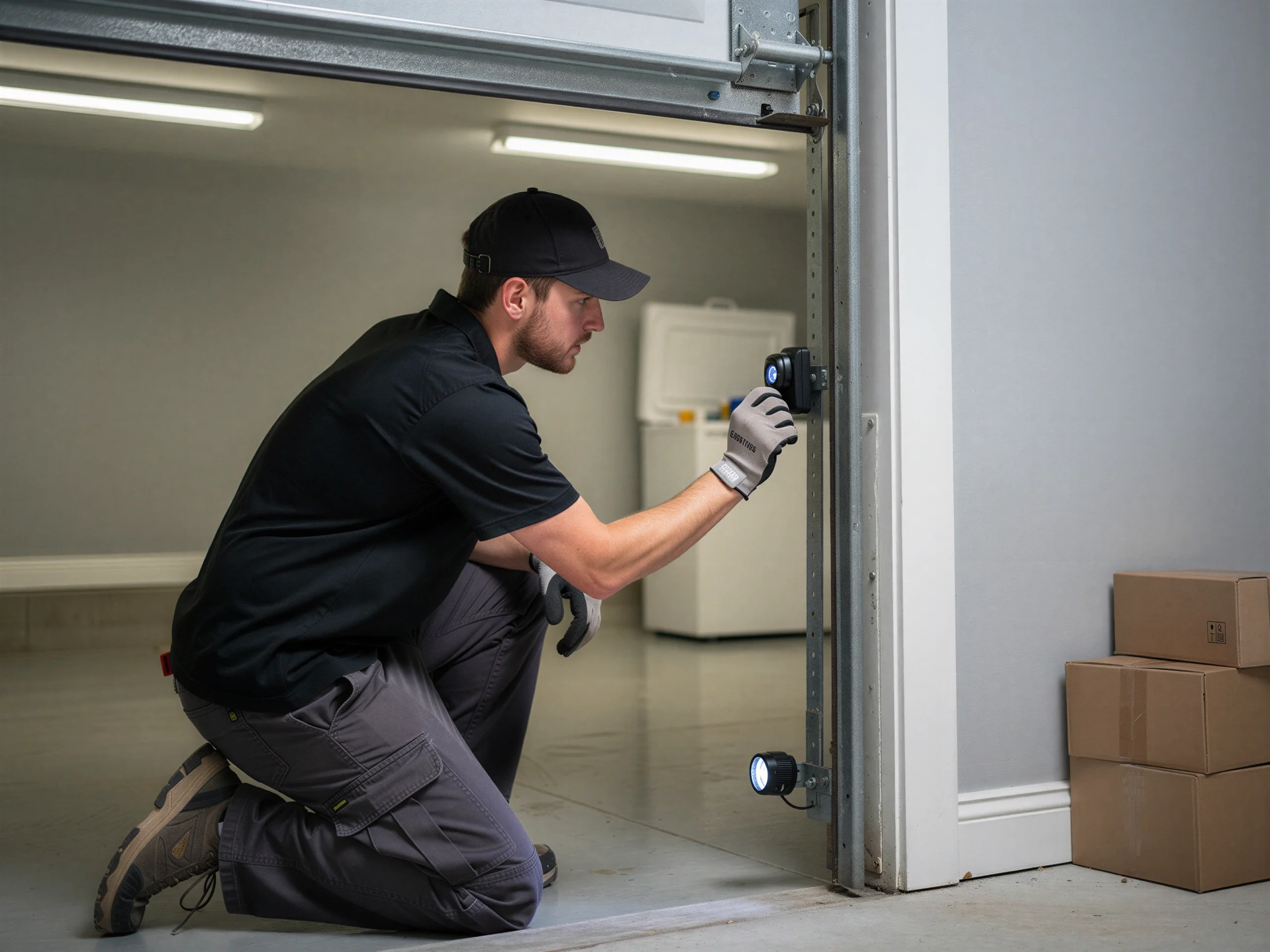
Where people get stuck is the safety sensor alignment and the travel limit settings, which matter more on a newer steel door than people expect, because the panels flex differently than the heavier wood doors from decades back. If you cross-wire the wall control or skip the force setting, the opener will either not close or slam the door into the floor.
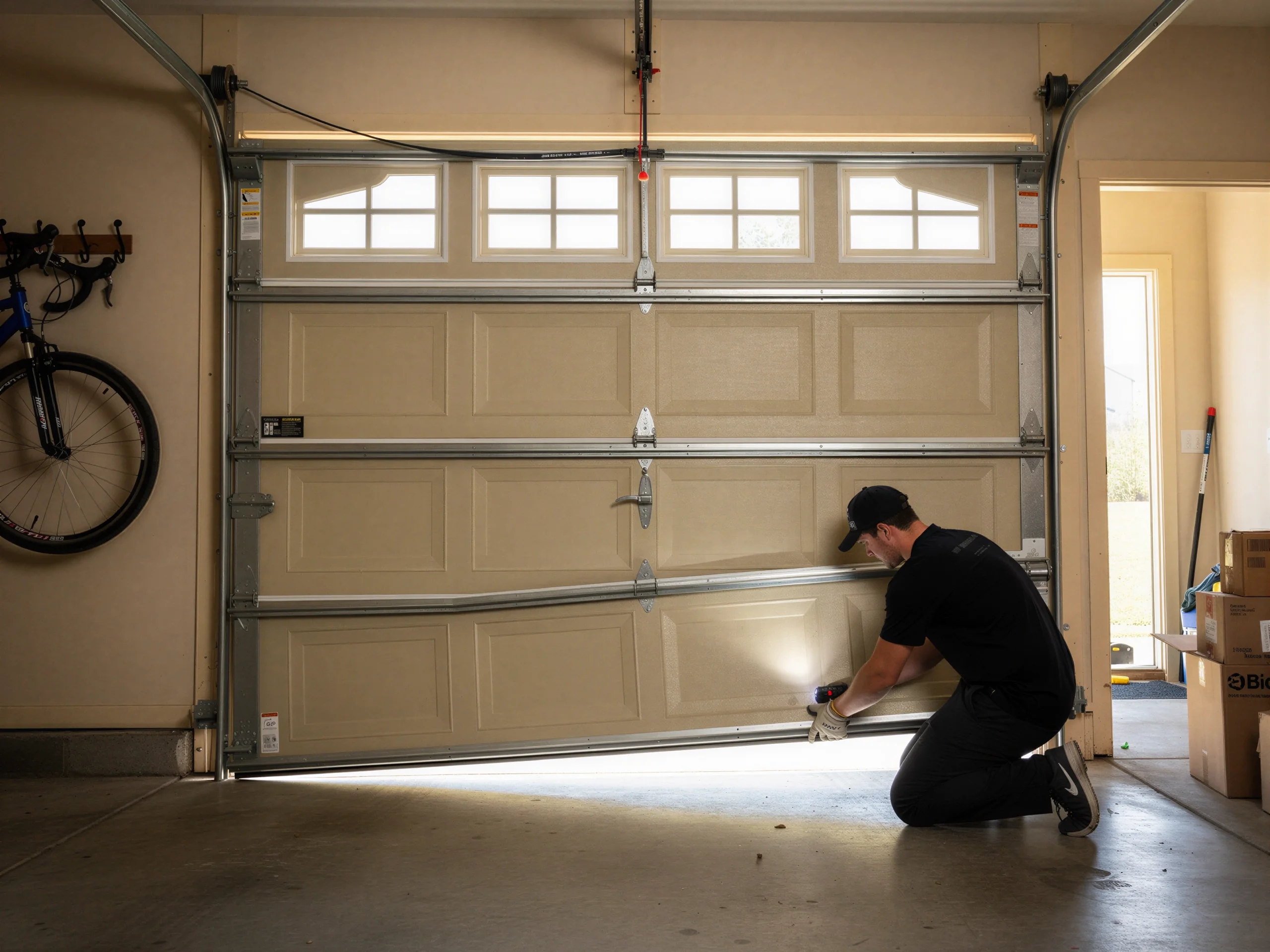
We'll say the honest thing: a straightforward swap on a door that's already got a working opener bracket and a nearby outlet is within reach for someone comfortable with a drill and a ladder. Anything involving a dead circuit, a bent track, or a door that's out of square is where we'd rather you call before you start.
Watch-outs
Because most of Bull Mountain went up well after 1995, you're not fighting the same problems we see on the older 1960s-70s stock across the wider service area - no original hardware, no mismatched replacement springs from three different decades.
What you do get instead is a tighter build: shorter headroom clearances in some garages, and framing that wasn't always set up with a dedicated opener circuit in mind. The other wrinkle is simply travel.
We're covering this job from Happy Valley, and Bull Mountain runs about 16 miles out, so we schedule it rather than treat it as a same-day drop-in. That's not a knock on the work, just the geography - plan the appointment a few days ahead instead of expecting a same-morning fix.
Warning signs
If your opener is from the original 1995-era build, you're likely on an old chain-drive unit that's loud, slow, and probably missing any battery backup or smartphone tie-in. The motor itself may still run fine - these units were built heavier than a lot of what's sold today - but the logic board and safety reversal sensors are long past the point where parts exist for them.
On newer re-dos, we see belt-drive openers installed without matching the opener's horsepower to the door's actual weight, which shows up as a unit that strains, overheats, or trips the circuit on cold mornings. The mild-with-occasional-freeze winters here don't stress openers the way harder climates do, but a cold garage still tightens grease and slows a motor that was already underpowered for the door.
On the truck
We carry belt-drive and chain-drive openers in the horsepower ranges that match the door weights typical of the newer stock out here - lighter steel sectional doors rather than the solid wood slab doors you'd find on an older build. We stock wall controls, safety sensor pairs, and the standard rail and bracket kits that fit most header heights built from the mid-90s forward.
What we don't keep on the truck is anything built for the oldest low-headroom or side-mounted setups - that's rare out here anyway, but if your garage turns out to be an outlier, we'll order the part rather than improvise with something that doesn't fit.
Booking
We run this job out of Happy Valley, so a Bull Mountain opener install gets booked rather than squeezed in same-day.
Tell us the opener brand if you know it, whether the door is wood or steel, and whether you've got an existing outlet near the header - that's usually enough for us to bring the right unit on the first trip instead of a second one.
See the Bull Mountain service area page for what else we cover out this way, and the Happy Valley opener installation page if you want the broader rundown on how we handle this service across the area.
The repair
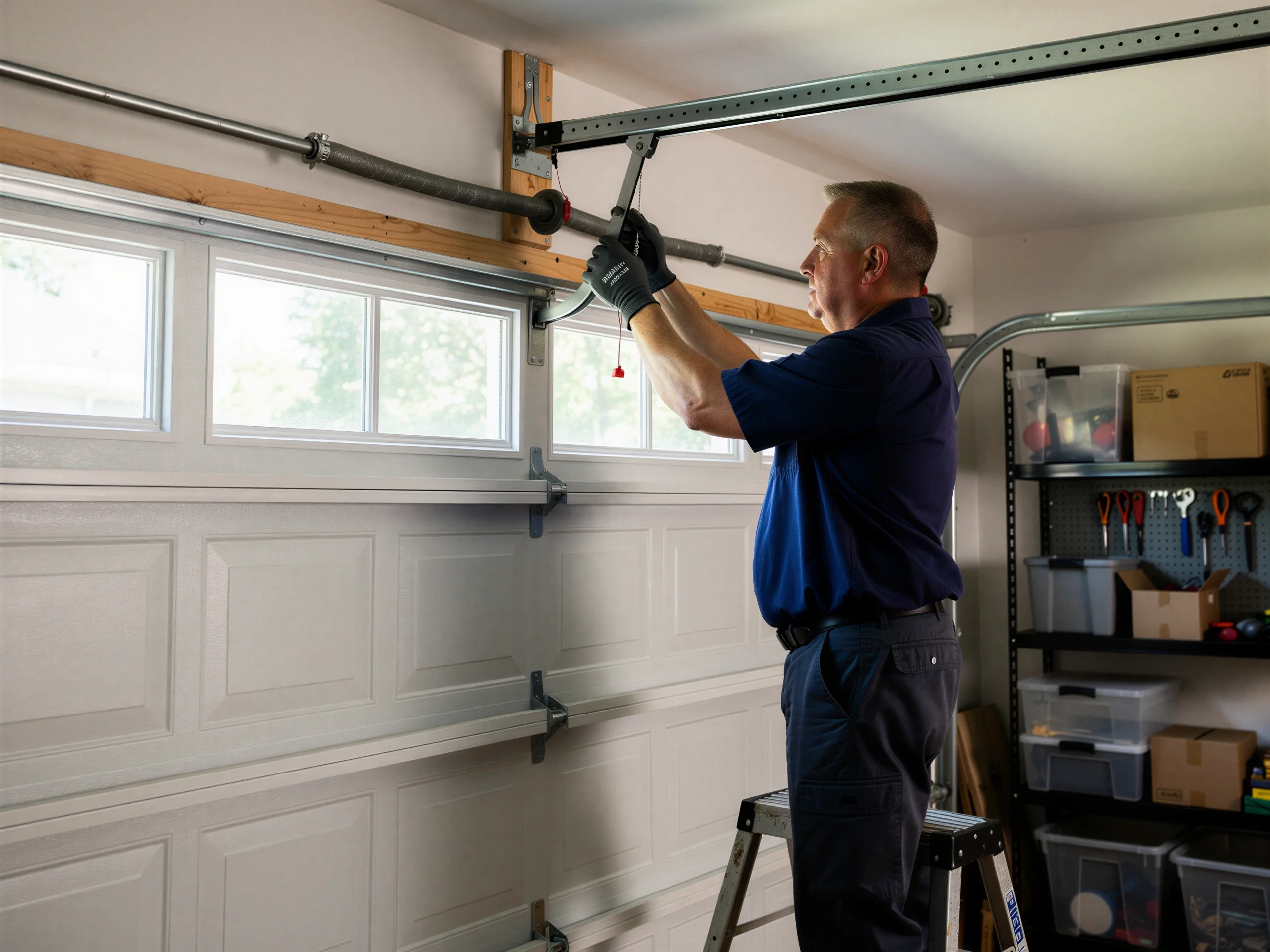
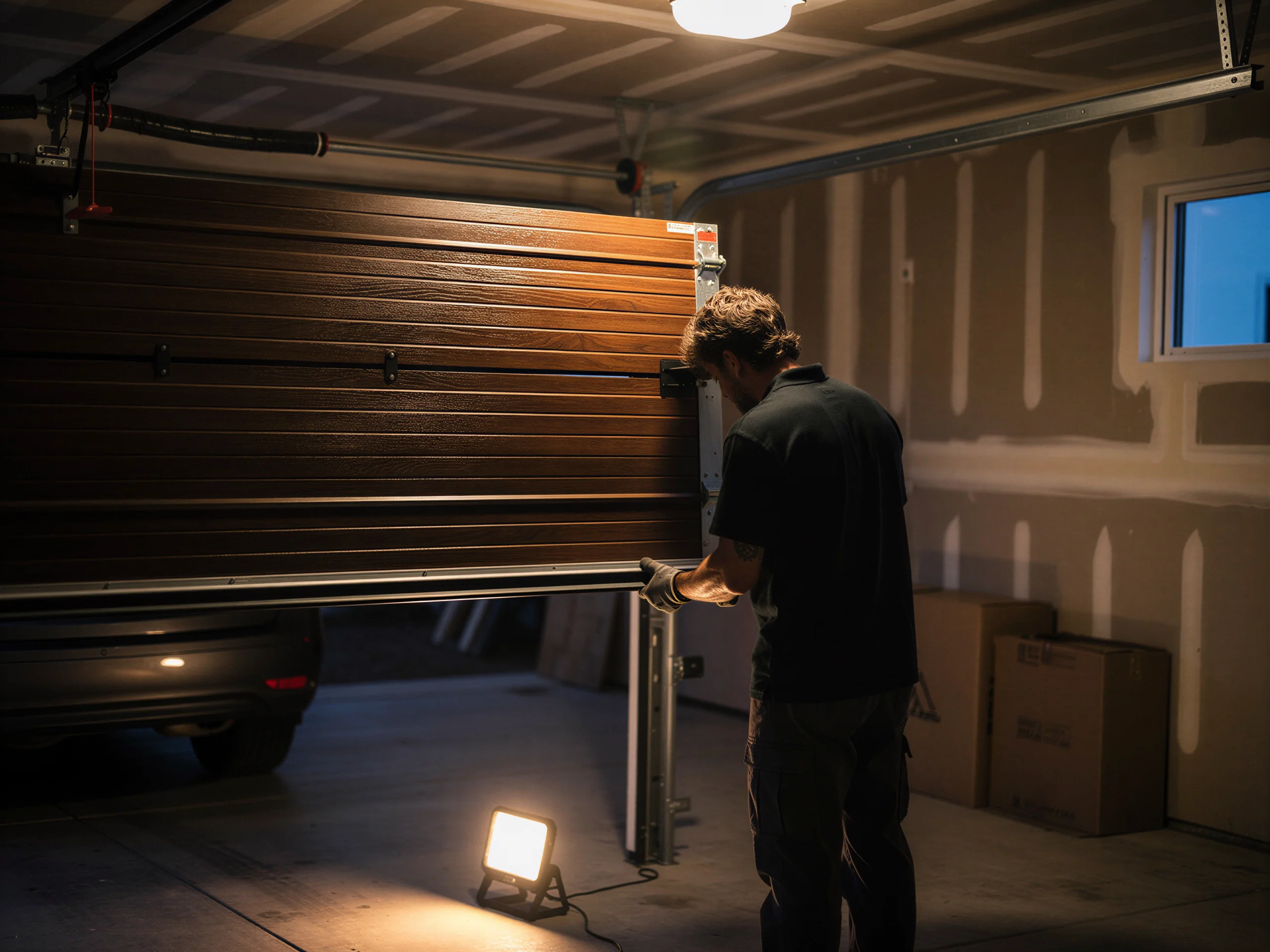
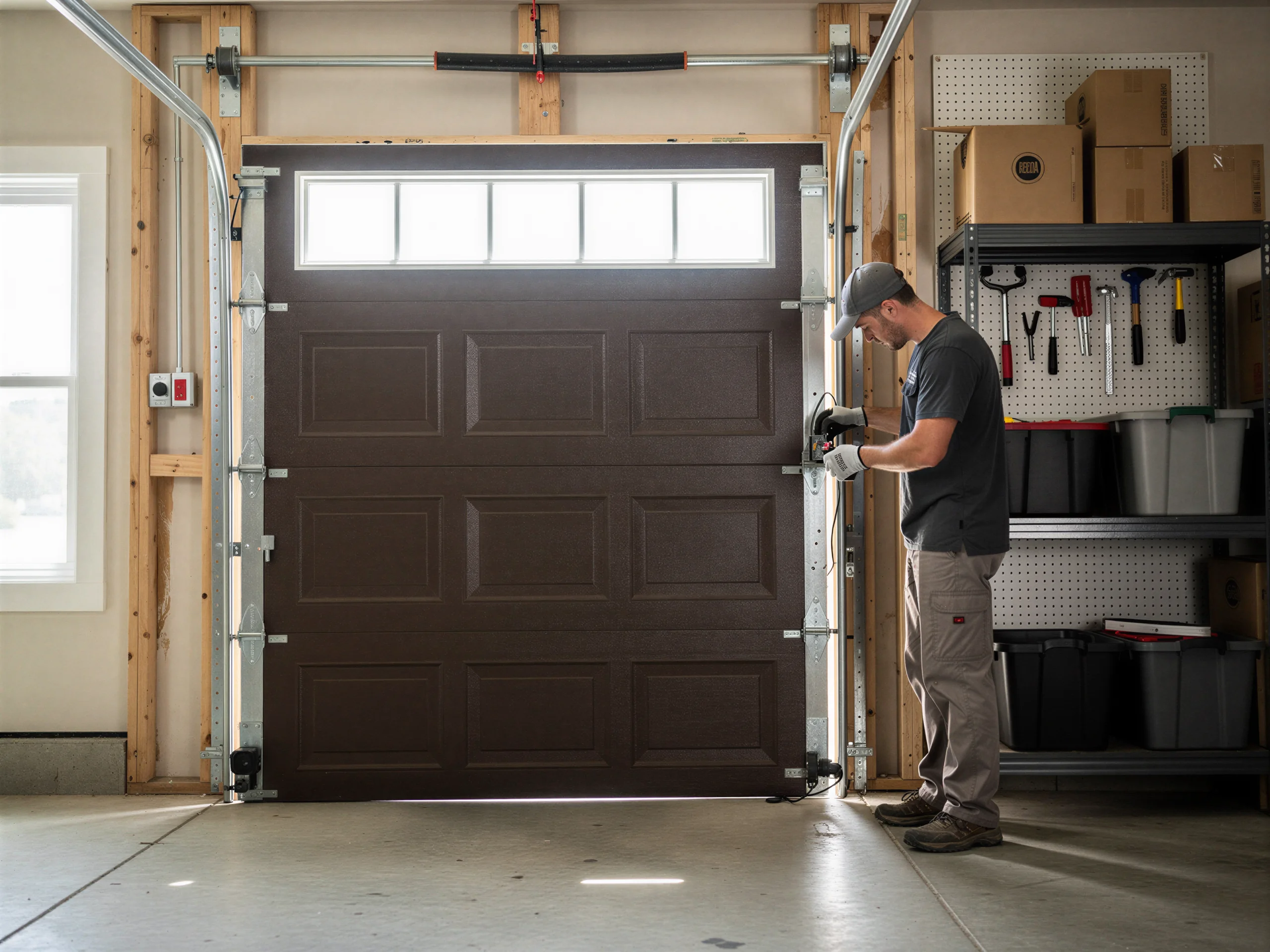
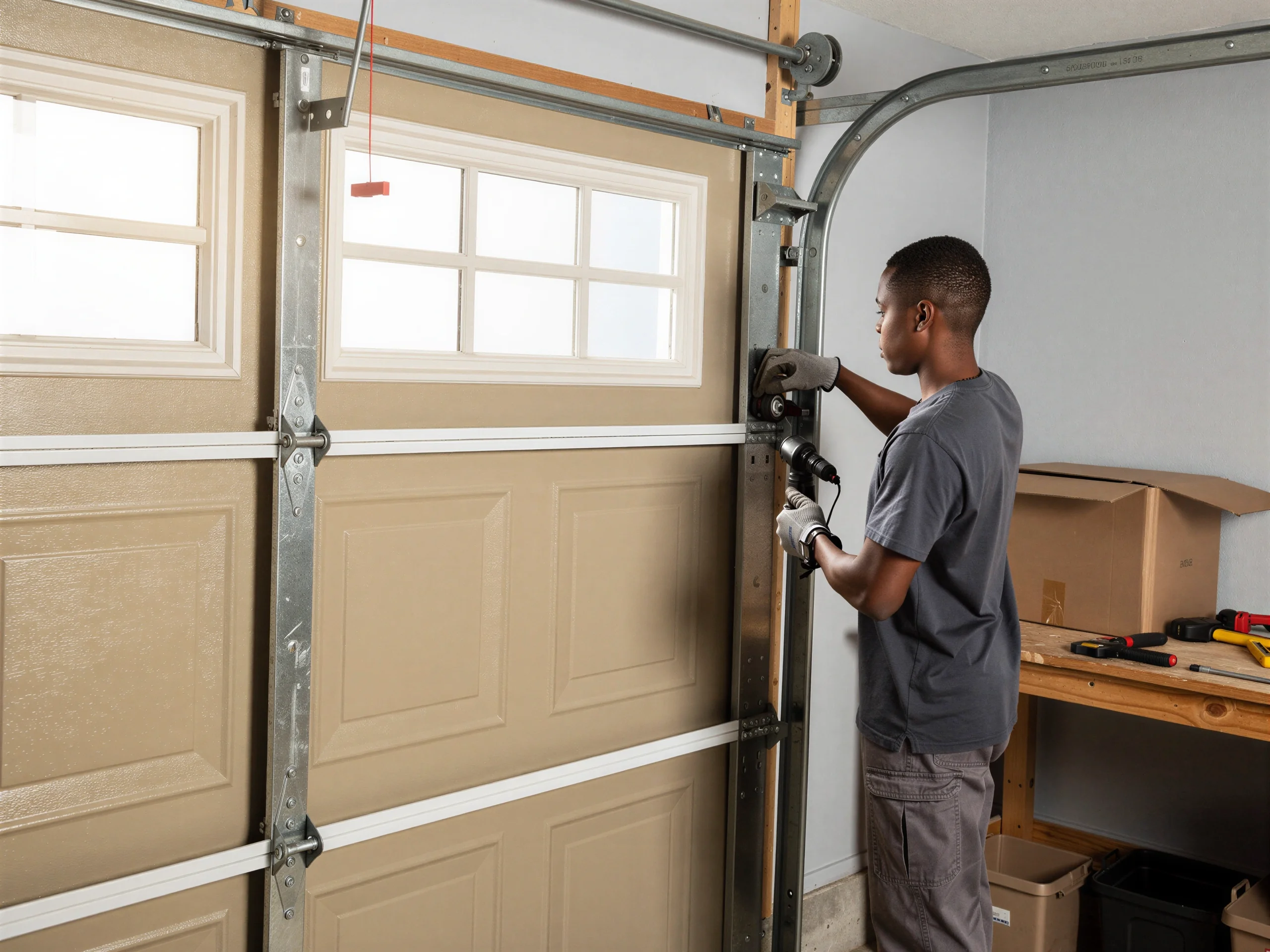
A full install starts with checking the door's weight and balance before the opener goes anywhere near it - an opener matched to a door that's out of balance will burn out early no matter how good the unit is. From there it's mounting the rail, setting the header bracket, wiring the wall control and safety sensors, then dialing in the travel limits and force settings.
On a household income well above the wider service area's median, we see more requests for the higher-end units with battery backup and app control, and those are worth it if you want them - but a mid-range chain or belt unit does the same core job of opening and closing the door safely. We won't talk you into features the door doesn't need.
Questions
Usually, if they're from the same era as a 1990s-built house - most of those are standard enough to pair with a new opener logic board. Older wired keypads sometimes aren't compatible with newer safety standards, so we check that on site before wiring anything in.
Most code-compliant installs want the opener on its own circuit rather than sharing with other garage outlets. If your garage doesn't have one, we'll tell you before the job starts so you're not surprised by extra electrical work.
About 16 miles from Happy Valley. We still cover it, but we schedule the visit rather than offer a same-day walk-in, so it helps to book a day or two ahead.
Explore more
Ready when you are
Happy Valley Garage Door Pros repairs and installs garage doors, springs and openers in Happy Valley, OR and the surrounding area.